Why Personal Branding Matters More as Entrepreneurs Head Into The New Year
Build a personal brand rooted in credibility, trust and reputation.
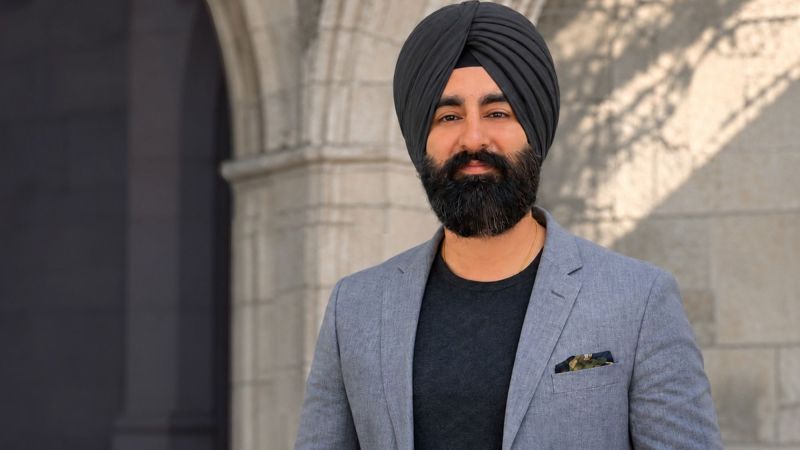
Branding London
Founder Sukhy Cheema looks to 2027
Opinions expressed by Entrepreneur contributors are their own.
You're reading Entrepreneur United Kingdom, an international franchise of Entrepreneur Media.
As entrepreneurs prepare for 2027, personal branding is becoming less about visibility and more about credibility, trust and building a reputation that creates lasting commercial value. Personal branding is no longer reserved for high profile founders. It helps entrepreneurs build trust and differentiate themselves. Yet many focus on content, followers and exposure. Being seen, however, does not necessarily establish credibility. Heading into 2027, that distinction matters. AI is making content easier to produce and genuine expertise harder to distinguish from generic commentary. As business propositions become easier to imitate, the judgement, values and reputation of the people behind them become harder to replicate. Through building Branding London and working with other organisations, I have learned that the strongest brands are not always the loudest. They are the ones people understand, trust and remember.
CLARITY OVER VISIBILITY
Visibility without clear positioning creates little lasting value. Entrepreneurs can publish consistently, attend events and build networks without establishing what they want to be known for. When I started building Branding London, my focus was on establishing the agency’s identity and reputation. I gave less consideration to how my own identity as its founder was developing alongside it. I realised that building a business brand and establishing personal credibility are different things. Both require intention, and neither automatically creates the other. There is a contradiction here. Entrepreneurs often work towards building businesses that can operate independently of them, yet overlook the importance of developing a reputation with value beyond the business. Strong positioning requires expertise, consistent values and a clear perspective. People should understand not just what you do, but how you think and why your approach matters. Trying to appeal to everyone often makes it harder to be remembered by anyone.
CREDIBILITY OVER CONTENT
AI has changed the economics of content creation. What once took considerable time can now be produced in seconds. But while the barrier to publishing has fallen, the barrier to building credibility has not. AI has made it easier than ever to communicate with confidence, but sounding authoritative and having authority are two different aspects. Entrepreneurs who can demonstrate judgement shaped by real decisions, challenges and experience will increasingly stand apart from those whose visibility is built primarily on polished content. I have always believed that expertise becomes more valuable when communicated clearly. But communication without substance is ineffective. A polished digital presence cannot replace genuine experience, and publishing consistently does not automatically establish authority.
In an increasingly automated environment, the quality of your thinking matters more than the quantity of your content.
TRUST AS COMMERCIAL CURRENCY
Business has always been built on relationships, but those relationships increasingly begin before the first conversation. Potential clients, partners and investors form impressions through what they see, read and hear. An entrepreneur’s perspective can influence confidence before a formal introduction. As I developed my reputation alongside the business, I saw how opportunities could emerge beyond traditional business development. Conversations and introductions opened doors to advisory and board-level opportunities unrelated to the agency. A strong personal reputation does not simply support the business you build. It can create opportunities beyond it. Personal branding should therefore evolve alongside an entrepreneur’s ambitions. The reputation that helps establish a business may not reflect the broader leadership experience developed over time. Being intentional about that evolution helps others recognise the value you can bring beyond your existing role. Visibility may create an introduction, but consistent behaviour and delivery determine whether a relationship lasts.
THE FOUNDER DEFINES THE EXPERIENCE
Entrepreneurs often separate their personal brand from their business brand, but in founder-led organisations, the two are closely connected. A company communicates its promise, while the founder influences whether people believe it. My beliefs around sustainability have influenced how Branding London operates. I developed The Sustainable Brand Framework™ to encourage clients to move beyond sustainability as a marketing message and establish more responsible foundations within their businesses. For me, a founder’s personal values should not simply be communicated externally, but reflected in how their business operates. How a founder leads, makes decisions and responds to challenges shapes how the organisation is perceived. If values communicated externally are not reflected internally, the contradiction eventually becomes visible. Personal branding requires the same discipline as corporate branding. What matters is not simply what you communicate, but what people experience.
CONSISTENCY OVER ATTENTION
One of the biggest mistakes entrepreneurs make is treating personal branding as a campaign rather than a long-term commitment. A new year often brings renewed activity, with more posting, networking and visibility targets. But activity without direction rarely creates meaningful progress. Reputation develops through repeated interactions, decisions and the standards you maintain. Having mentored young entrepreneurs through The King’s Trust for seven years, I have come to appreciate how reputation develops through consistent contribution. The relationships, experiences and perspectives gained through that commitment have shaped my identity beyond the business I run. That experience has reinforced my belief that personal branding is not simply about what you communicate, but what you contribute. Consistency does not mean being everywhere or commenting on everything. A strong reputation develops when your perspective and behaviour reinforce each other, even as your ambitions evolve.
A MORE INTENTIONAL YEAR AHEAD
As entrepreneurs review their growth plans and commercial priorities, personal branding deserves the same consideration. Every entrepreneur already has a reputation, whether they actively manage it or not. The question is whether it reflects where they want to go next. Personal branding is a business priority, not simply a marketing exercise. It requires clarity about what you stand for, consistency in how you operate and an understanding of how reputation influences opportunity. The entrepreneurs who stand out in 2027 will not necessarily be those who communicate the most. They will be those whose thinking is clear, whose actions reinforce their message and whose reputation reflects their experience and ambitions. Visibility can be created quickly, but reputation takes time. As entrepreneurs enter 2027, the question is no longer simply how visible they want to become, but whether the reputation they are building will open the doors they want to walk through next.
As entrepreneurs prepare for 2027, personal branding is becoming less about visibility and more about credibility, trust and building a reputation that creates lasting commercial value. Personal branding is no longer reserved for high profile founders. It helps entrepreneurs build trust and differentiate themselves. Yet many focus on content, followers and exposure. Being seen, however, does not necessarily establish credibility. Heading into 2027, that distinction matters. AI is making content easier to produce and genuine expertise harder to distinguish from generic commentary. As business propositions become easier to imitate, the judgement, values and reputation of the people behind them become harder to replicate. Through building Branding London and working with other organisations, I have learned that the strongest brands are not always the loudest. They are the ones people understand, trust and remember.
CLARITY OVER VISIBILITY
Visibility without clear positioning creates little lasting value. Entrepreneurs can publish consistently, attend events and build networks without establishing what they want to be known for. When I started building Branding London, my focus was on establishing the agency’s identity and reputation. I gave less consideration to how my own identity as its founder was developing alongside it. I realised that building a business brand and establishing personal credibility are different things. Both require intention, and neither automatically creates the other. There is a contradiction here. Entrepreneurs often work towards building businesses that can operate independently of them, yet overlook the importance of developing a reputation with value beyond the business. Strong positioning requires expertise, consistent values and a clear perspective. People should understand not just what you do, but how you think and why your approach matters. Trying to appeal to everyone often makes it harder to be remembered by anyone.
CREDIBILITY OVER CONTENT
AI has changed the economics of content creation. What once took considerable time can now be produced in seconds. But while the barrier to publishing has fallen, the barrier to building credibility has not. AI has made it easier than ever to communicate with confidence, but sounding authoritative and having authority are two different aspects. Entrepreneurs who can demonstrate judgement shaped by real decisions, challenges and experience will increasingly stand apart from those whose visibility is built primarily on polished content. I have always believed that expertise becomes more valuable when communicated clearly. But communication without substance is ineffective. A polished digital presence cannot replace genuine experience, and publishing consistently does not automatically establish authority.
In an increasingly automated environment, the quality of your thinking matters more than the quantity of your content.

Sukhy Singh Cheema is a Non-Executive Director and Founder & CEO of Branding London, a... Read more