Five things young entrepreneurs should do to build a successful business
Young entrepreneurs share five essential steps to building successful businesses.

1st Formations
Opinions expressed by Entrepreneur contributors are their own.
You're reading Entrepreneur United Kingdom, an international franchise of Entrepreneur Media.
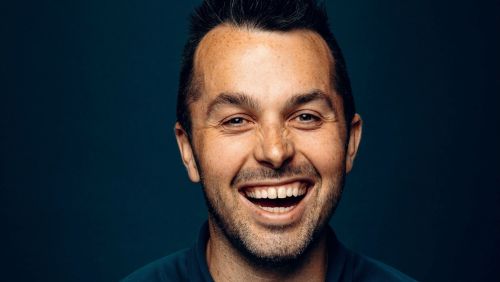
As Global Entrepreneurship Week takes place this week, Graeme Donnelly, CEO and founder of 1st Formations, shares five essential steps young entrepreneurs can take to turn a promising business idea into a successful and sustainable enterprise. For many young people with a promising business idea, the biggest barrier is the financial security needed to take the leap. The Government’s 2026 Autumn Budget placed a renewed focus on entrepreneurship and innovation, including plans to introduce a Young Entrepreneurs Allowance, designed to give aspiring business owners one year of living-cost support while they establish their first venture.
For many young people with a promising business idea, the biggest barrier to getting started is not necessarily a lack of ambition or ability, but the financial security needed to take the leap. Having the opportunity to focus on an idea full-time, without the immediate pressure of earning a living elsewhere, could help more aspiring founders turn their ambitions into reality.
However, financial support alone does not guarantee a successful business. Knowing how to test an idea, understand the market and establish the right foundations are all important steps towards building something sustainable.
What the Young Entrepreneurs Allowance could mean for founders
Plenty of talented founders never start, not because the idea is bad, but because rent still needs paying. If you don’t have savings or family money behind you, taking the leap can feel impossible. A year of financial support is a good start. It’s enough time to explore an opportunity and establish whether there’s a viable business there. It also gives founders the freedom to work on their idea full-time, rather than trying to fit everything around a full-time job.” “But funding is the starting point, not the end point. It gives you time. What you do with that time is what will determine whether the business actually survives.
How to know whether your business idea has potential
There’s a difference between having a good idea and having a good business. You need to think about whether there’s a genuine market for what you’re offering and whether the business model can support itself as it grows. My first business, a serviced office company in Glasgow, had plenty of customers. The problem was that we couldn’t create enough space to cover our costs. People wanted what we sold, but the model couldn’t grow. That’s an important lesson: having demand doesn’t necessarily mean you have a sustainable business. You should also consider whether you’d be proud of how the business makes its money, from how it treats customers to how it treats staff. The businesses that last are usually the ones people trust. If the only people who love your idea are your friends and family, that’s also a red flag. They want you to succeed, so they won’t always tell you the truth.
Choosing the right business structure
One of the first things to consider is whether to operate as a sole trader or set up a limited company. A limited company is a separate legal entity, so your personal assets are generally protected if the business gets into difficulty. As a sole trader, you and the business are one and the same in the eyes of the law. Tax is another consideration. A limited company can be more tax-efficient once profits grow, but it depends on your situation. Speak to an accountant before you decide. You also need to understand the responsibilities that come with being a director, including filing accounts and confirmation statements and meeting your legal duties. Think about privacy, too. Companies House is a public register, so if you use your home address as your registered office, it’s on the public record. The structure is far easier to get right at the outset than to change later.
Business mistakes to avoid
Spending money before you’ve validated the idea is one of the biggest mistakes. A logo, a website, a nice office or stock you can’t sell can all feel like progress, but they aren’t. Reading advice from business investor, Warren Buffett, taught me to stop spending money on things I didn’t need. I wish I’d learned that before I renovated my first office. Spend on what brings in customers. Everything else can wait. There are warning signs that an idea might not be ready, too. If you can’t explain what you do in one sentence or if your numbers only work when everything goes right, you need to look at it again. Things rarely go perfectly. A good business can survive a bad month.
Five things young entrepreneurs should do during their first year
Having financial support for the first year is a valuable opportunity, but it’s important to use that time strategically. Graeme recommends focusing on five things:
Talk to customers
Not your friends and family, but real customers who may actually pay you. Find out what they need and listen to them properly. Don’t assume you know what people want without asking them.
Test your idea on a small scale
Sell something, even a basic version, before putting significant money into building it out. This gives you the chance to identify problems and make improvements without taking unnecessary financial risks.
Get to know your numbers
Understand what it costs to win a customer, what you make from each sale and how long your money will last. The sooner you understand those figures, the better your decisions will be.
Get the business set up properly
Choose the right structure, open a separate business bank account and consider how to protect your privacy. These might seem like administrative tasks, but they’re important foundations for a responsible business.
Plan for month 13
The allowance will eventually run out, so work out how the business is going to support itself afterwards. Set monthly targets and keep track of your progress so you know whether you’re on course to become financially sustainable.
As Global Entrepreneurship Week takes place this week, Graeme Donnelly, CEO and founder of 1st Formations, shares five essential steps young entrepreneurs can take to turn a promising business idea into a successful and sustainable enterprise. For many young people with a promising business idea, the biggest barrier is the financial security needed to take the leap. The Government’s 2026 Autumn Budget placed a renewed focus on entrepreneurship and innovation, including plans to introduce a Young Entrepreneurs Allowance, designed to give aspiring business owners one year of living-cost support while they establish their first venture.
For many young people with a promising business idea, the biggest barrier to getting started is not necessarily a lack of ambition or ability, but the financial security needed to take the leap. Having the opportunity to focus on an idea full-time, without the immediate pressure of earning a living elsewhere, could help more aspiring founders turn their ambitions into reality.
However, financial support alone does not guarantee a successful business. Knowing how to test an idea, understand the market and establish the right foundations are all important steps towards building something sustainable.
What the Young Entrepreneurs Allowance could mean for founders
Plenty of talented founders never start, not because the idea is bad, but because rent still needs paying. If you don’t have savings or family money behind you, taking the leap can feel impossible. A year of financial support is a good start. It’s enough time to explore an opportunity and establish whether there’s a viable business there. It also gives founders the freedom to work on their idea full-time, rather than trying to fit everything around a full-time job.” “But funding is the starting point, not the end point. It gives you time. What you do with that time is what will determine whether the business actually survives.