The danger of founder worship: When the leader becomes bigger than the business
Founder success depends not on being indispensable, but empowering others to thrive.
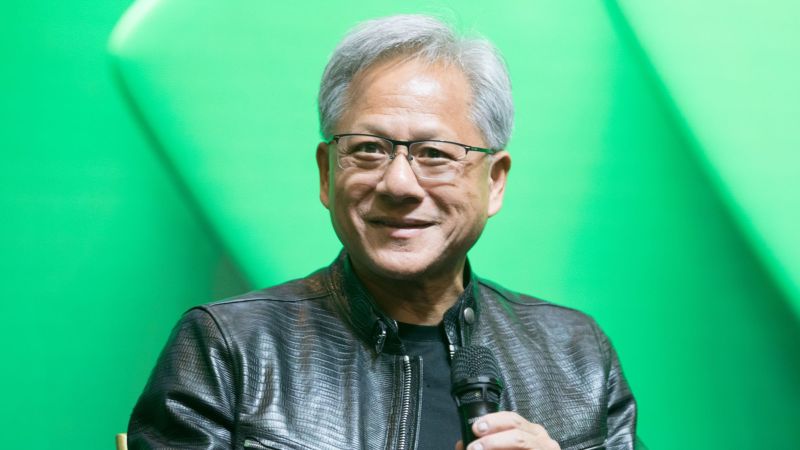
Nvidia
Jensen Huang, co-founder
Opinions expressed by Entrepreneur contributors are their own.
You're reading Entrepreneur United Kingdom, an international franchise of Entrepreneur Media.
Jensen Huang is back at Nvidia, less than two weeks after his departure sparked a fierce debate about the company’s future. His reinstatement raises an interesting question for entrepreneurs everywhere: what happens when a business becomes so closely associated with one individual that it’s difficult to imagine anyone else leading it? We love a successful founder story, and rightly so. Building a business from the ground up takes enormous courage, determination and belief in what you’re trying to achieve, often when others are telling you it won’t work. These are qualities worth celebrating, but I do wonder whether we’ve become so focused on the individual at the top that we sometimes forget about the people and the organisations around them. Through my work with leaders across different industries and cultures, I’ve seen how the very qualities that make someone a successful entrepreneur can become their biggest challenges as the business grows. The confidence that helped them take risks can make it harder to accept criticism, while the determination that got the business off the ground can develop into a reluctance to let others take control. The danger comes when the founder’s judgement is rarely questioned and their personal vision starts to matter more than the collective strength of the organisation.
When confidence becomes a blind spot
Most founders have spent years trusting their instincts, making difficult decisions and proving people wrong. It’s understandable that they develop a strong belief in their own judgement, particularly when that judgement has helped build a successful business. But success can also make it harder to recognise when something needs to change. I’ve seen leadership teams where everyone appears to be in agreement, meetings run smoothly and decisions are made quickly. On the surface, that might look like a healthy, aligned culture. But sometimes what’s really happening is that people have learned not to challenge the person at the top. And when people stop speaking up, businesses lose access to some of their most valuable ideas and talent.
Why different perspectives matter
As human beings, we naturally gravitate towards people who think like us and share our experiences. For founders, particularly in the early stages of building a business, surrounding yourself with people who believe in your vision can feel essential. But as the organisation grows, you need people who bring different experiences, ask uncomfortable questions and occasionally tell you something you don’t want to hear. This is where I believe cultural intelligence has an important role to play. It’s not simply about understanding different nationalities or backgrounds, but recognising how our own experiences, assumptions and beliefs influence the way we lead and make decisions. Being culturally intelligent means having the curiosity and humility to recognise that someone else may see a situation very differently, and that their perspective might actually lead to a better outcome. For founders, this requires a willingness to create an environment where people feel comfortable challenging ideas, regardless of their seniority or background. That doesn’t mean everyone needs to agree, or that the founder loses their authority. It means understanding that good leadership isn’t about being the only person with the answers.
Four questions every founder should ask
So how can founders make sure they’re building businesses that benefit from their leadership without becoming entirely dependent on it?
Who is comfortable telling you you’re wrong?
Think about the last time someone genuinely challenged one of your decisions. Did you listen and consider their perspective, or did you immediately explain why you were right? The way leaders respond to disagreement sends a powerful message about whether it’s welcome.
Are you surrounding yourself with different perspectives?
When recruiting senior people, it’s worth asking whether you’re looking for someone who will reinforce your thinking or someone who might challenge it. A strong leadership team needs a variety of experiences and approaches, not simply people who share the founder’s worldview.
Are you giving people the freedom to lead?
If every important decision has to come back to you, you’re potentially limiting the very people you’ve hired to help grow the business. Developing future leaders means trusting them with responsibility, giving them space to make decisions and accepting that they won’t always do things exactly as you would.
Could the business thrive without you?
This is perhaps the most uncomfortable question for any founder, but also one of the most important. Succession planning isn’t simply about identifying who might eventually take over. It’s about building the skills, confidence and culture that allow the organisation to continue succeeding, regardless of who’s in charge.
Building something bigger than yourself
Huang’s return to Nvidia will undoubtedly fuel further debate about the value of visionary founders. But I think it should also encourage entrepreneurs to reflect on the cultures they’re creating and the responsibility they have to develop leadership beyond themselves. This isn’t about questioning the achievements of successful founders or suggesting that strong personalities have no place in business. It’s about recognising that, however talented or visionary an individual may be, the long-term success of an organisation depends on far more than one person. For me, great leadership has always been about bringing out the best in others, being open to learning and creating an environment where different perspectives are not just tolerated but genuinely valued. Founders should absolutely be proud of what they’ve built. But perhaps the greatest achievement is creating something that can continue to grow, innovate and succeed long after they’re no longer the person making every decision. Because the real legacy of a successful founder isn’t how indispensable they’ve become, but how many other people they’ve enabled to succeed.
Jensen Huang is back at Nvidia, less than two weeks after his departure sparked a fierce debate about the company’s future. His reinstatement raises an interesting question for entrepreneurs everywhere: what happens when a business becomes so closely associated with one individual that it’s difficult to imagine anyone else leading it? We love a successful founder story, and rightly so. Building a business from the ground up takes enormous courage, determination and belief in what you’re trying to achieve, often when others are telling you it won’t work. These are qualities worth celebrating, but I do wonder whether we’ve become so focused on the individual at the top that we sometimes forget about the people and the organisations around them. Through my work with leaders across different industries and cultures, I’ve seen how the very qualities that make someone a successful entrepreneur can become their biggest challenges as the business grows. The confidence that helped them take risks can make it harder to accept criticism, while the determination that got the business off the ground can develop into a reluctance to let others take control. The danger comes when the founder’s judgement is rarely questioned and their personal vision starts to matter more than the collective strength of the organisation.
When confidence becomes a blind spot
Most founders have spent years trusting their instincts, making difficult decisions and proving people wrong. It’s understandable that they develop a strong belief in their own judgement, particularly when that judgement has helped build a successful business. But success can also make it harder to recognise when something needs to change. I’ve seen leadership teams where everyone appears to be in agreement, meetings run smoothly and decisions are made quickly. On the surface, that might look like a healthy, aligned culture. But sometimes what’s really happening is that people have learned not to challenge the person at the top. And when people stop speaking up, businesses lose access to some of their most valuable ideas and talent.
Why different perspectives matter
As human beings, we naturally gravitate towards people who think like us and share our experiences. For founders, particularly in the early stages of building a business, surrounding yourself with people who believe in your vision can feel essential. But as the organisation grows, you need people who bring different experiences, ask uncomfortable questions and occasionally tell you something you don’t want to hear. This is where I believe cultural intelligence has an important role to play. It’s not simply about understanding different nationalities or backgrounds, but recognising how our own experiences, assumptions and beliefs influence the way we lead and make decisions. Being culturally intelligent means having the curiosity and humility to recognise that someone else may see a situation very differently, and that their perspective might actually lead to a better outcome. For founders, this requires a willingness to create an environment where people feel comfortable challenging ideas, regardless of their seniority or background. That doesn’t mean everyone needs to agree, or that the founder loses their authority. It means understanding that good leadership isn’t about being the only person with the answers.

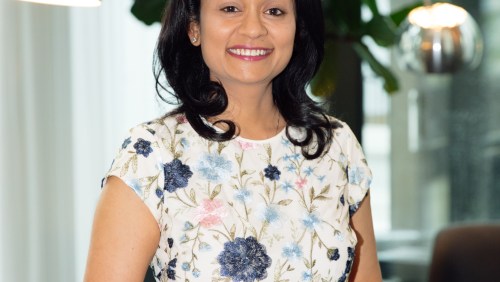
Ritika Wadhwa • Founder of Prabhaav Global
Ritika Wadhwa is the founder of Prabhaav Global, Cultural Intelligence expert and author of Not... Read more