Why your team doesn’t trust the polished version of you
Natural leaders build trust through authenticity, not status, polish or coercion.
Opinions expressed by Entrepreneur contributors are their own.
You're reading Entrepreneur United Kingdom, an international franchise of Entrepreneur Media.
There are natural leaders and synthetic ones. Your team can tell the difference in seconds.
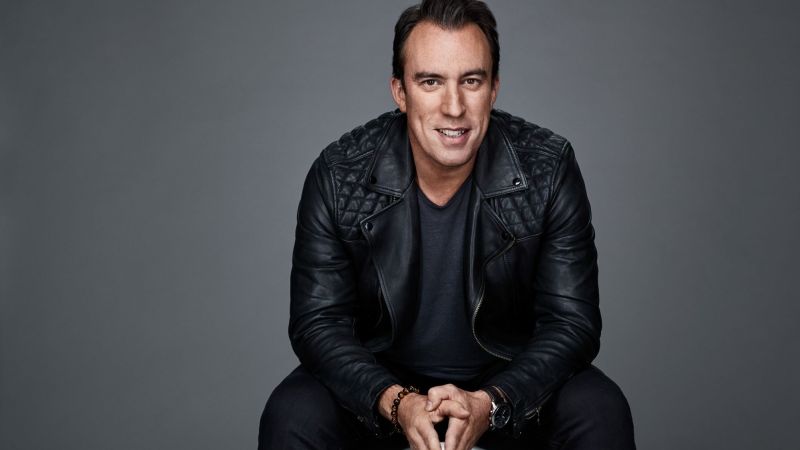
I’m a reluctant leader. I never set out to run a team. I wanted to have a radio show. But early in my career I noticed something. If I didn’t decide how I was going to be on air, other people’s ideas of how I should be would decide for me. So I started leading long before anyone gave me a title to do it with. That’s when I realised leadership isn’t a job title. It’s for everyone. Everybody is a leader. If you’ve got a voice, a team, a family, or just a view on how something should be done, you’re already leading something. We’re all leading our own lives, in some way, all day long. The only question is how.
Natural and synthetic
I think there are roughly two types of leader. Natural leaders, and synthetic ones. Just as we can still tell, for now at least, real human communication from AI slop. Just as you can touch a fabric and know whether it’s polyester or silk. “Watch out for polyester leaders” might have been a better headline for this. For a long time, I was the synthetic kind. I copied what leadership was supposed to look like. I led from status. From recognition. Sometimes, if I’m honest, from coercion. People pleasing, chasing status, chasing money, being the number one guy. I wasn’t a leader. I was a manager with a microphone. It worked, for a while. Then I got overwhelmed. Burnout. Panic attacks. Loneliness. And overwhelmed leaders aren’t effective leaders. Fear and anger make for terrible leaders. Synthetic leadership is the polished version. The borrowed language. It leads from a title, from status, from the fear of being found out. Everyone’s worried about AI slop right now. But AI slop isn’t the only danger. Leadership slop is just as pervasive, and it’s been around a lot longer. Performative leadership. Leading from status and coercion. Communication that’s high on noise and low on signal. Strategy decks that say nothing in forty slides. Emails that are word salad. And your team can tell. We’re walking, talking antennas. If you lead a team, you’re a weather pattern, and they live in it. They can feel the gap between what you’re saying and what you’re feeling from across the office. So they don’t trust it. Trust needs psychological safety. They nod in the meeting, then say the real thing in the corridor afterwards to someone they trust. Which isn’t you. The leader gets a filtered picture, makes worse decisions from it, and wonders why nobody speaks up. The polish caused the silence. To me, it’s like a layer of Vaseline on a lens.
Roles are rented
Almost 30 years of working for commercial radio stations has taught me one thing above all. Roles are rented. The title, the timeslot, the station, the ratings. None of it is yours. It’s on loan, and the people who lend it can take it back. I found that out in 2018, when I left a number one show in the UK and moved my family to Australia. My new team didn’t know me, didn’t believe in me and didn’t much care. Status is useless on people who don’t care. Power doesn’t move the indifferent. Everything I’d been renting stayed in London. Maybe Australian Border Force confiscated it on arrival. So I had to work out what was really mine. What was authentically mine. And take ownership of it. That’s the work of a natural leader. Not adding more polish, but finding out what’s underneath it. For me, it comes down to three things. A true vision. This is your fuel. Dirty fuel is people pleasing, status and money. It burns fast and leaves you overwhelmed. Clean fuel is a clear vision, a sense of calling: knowing why you’re really doing this, beyond what it gets you. The deeper story behind what you’re doing, and what your business really is. In Melbourne, with nothing to lean on, I had to get clear on what we were there to do, and why. I got really granular on it: what my unique contribution was going to be. Within fifteen months, we were number one. Following and listening. Natural leaders are great followers and listeners. They follow the people closer to the work than they are. And they follow their own inner knowing, their inner authority, instead of handing it over to approval, to the past, and now to AI. Listening is how you do both. Team first. It took me too long to learn that all the best radio shows, ratings and revenue are downstream of a great team culture. I used to put the show first and the team second. When I realised I was part of the problem in a team that wasn’t working, I flipped them, and everything changed. Before every show, I check my internal weather and shift it if I need to, because the team is going to live in it either way.
Wait, I’m the problem?
Every January, before the show comes back on air, I take the team to the MCG, one of the most iconic stadiums in the world and the home of sport in Australia. For years, my number one principle had been show first. But at the end of 2024, I knew the team hadn’t been working very well, and I asked myself what my part in that was. I sat down to write our guiding principles and found myself writing Team first. Then I scribbled it out. If I tell them that, they’ll put their feet up on the desk. Then I wrote it again, because that thought wasn’t true. Nobody on my team comes to work hoping to do a bad job. At the MCG, I said it. “Team first.” They were stunned. One of them put their notepad down, eyes glistening. “Wow. Really wasn’t expecting that from you.” Then someone else put theirs down. I could feel their nervous systems high-fiving each other.
I apologised for adding tension by always driving performance. Then I said something I’d never said to them before. “I always think you guys can’t handle it when I’m stressed or overwhelmed.”
And they said: “We’d like to help more. Sometimes we can see you’re carrying something alone. You don’t need to do that.” Sometimes we can see. I thought the polish was hiding it. It never hid anything. It just kept them out.
What walks out the door with you
Great shows never happen because I’m yelling work harder, be funnier, have better ideas. They happen because we’re enjoying it. Because we’re connected. One day the title goes back. It always does. What walks out the door with you is whatever was really yours. Your vision. What you stood for. How you elevated your team. How people felt working with you. How you gave back. Your team doesn’t need the polished version. Nor do you. Kids don’t want a parent who’s trying to be perfect. They can’t connect with them. Our flaws, our stumbles and our mess make us human. Make room for that in how you lead. Your magic is in the mess.
There are natural leaders and synthetic ones. Your team can tell the difference in seconds.
I’m a reluctant leader. I never set out to run a team. I wanted to have a radio show. But early in my career I noticed something. If I didn’t decide how I was going to be on air, other people’s ideas of how I should be would decide for me. So I started leading long before anyone gave me a title to do it with. That’s when I realised leadership isn’t a job title. It’s for everyone. Everybody is a leader. If you’ve got a voice, a team, a family, or just a view on how something should be done, you’re already leading something. We’re all leading our own lives, in some way, all day long. The only question is how.
Natural and synthetic
I think there are roughly two types of leader. Natural leaders, and synthetic ones. Just as we can still tell, for now at least, real human communication from AI slop. Just as you can touch a fabric and know whether it’s polyester or silk. “Watch out for polyester leaders” might have been a better headline for this. For a long time, I was the synthetic kind. I copied what leadership was supposed to look like. I led from status. From recognition. Sometimes, if I’m honest, from coercion. People pleasing, chasing status, chasing money, being the number one guy. I wasn’t a leader. I was a manager with a microphone. It worked, for a while. Then I got overwhelmed. Burnout. Panic attacks. Loneliness. And overwhelmed leaders aren’t effective leaders. Fear and anger make for terrible leaders. Synthetic leadership is the polished version. The borrowed language. It leads from a title, from status, from the fear of being found out. Everyone’s worried about AI slop right now. But AI slop isn’t the only danger. Leadership slop is just as pervasive, and it’s been around a lot longer. Performative leadership. Leading from status and coercion. Communication that’s high on noise and low on signal. Strategy decks that say nothing in forty slides. Emails that are word salad. And your team can tell. We’re walking, talking antennas. If you lead a team, you’re a weather pattern, and they live in it. They can feel the gap between what you’re saying and what you’re feeling from across the office. So they don’t trust it. Trust needs psychological safety. They nod in the meeting, then say the real thing in the corridor afterwards to someone they trust. Which isn’t you. The leader gets a filtered picture, makes worse decisions from it, and wonders why nobody speaks up. The polish caused the silence. To me, it’s like a layer of Vaseline on a lens.
Roles are rented
Almost 30 years of working for commercial radio stations has taught me one thing above all. Roles are rented. The title, the timeslot, the station, the ratings. None of it is yours. It’s on loan, and the people who lend it can take it back. I found that out in 2018, when I left a number one show in the UK and moved my family to Australia. My new team didn’t know me, didn’t believe in me and didn’t much care. Status is useless on people who don’t care. Power doesn’t move the indifferent. Everything I’d been renting stayed in London. Maybe Australian Border Force confiscated it on arrival. So I had to work out what was really mine. What was authentically mine. And take ownership of it. That’s the work of a natural leader. Not adding more polish, but finding out what’s underneath it. For me, it comes down to three things. A true vision. This is your fuel. Dirty fuel is people pleasing, status and money. It burns fast and leaves you overwhelmed. Clean fuel is a clear vision, a sense of calling: knowing why you’re really doing this, beyond what it gets you. The deeper story behind what you’re doing, and what your business really is. In Melbourne, with nothing to lean on, I had to get clear on what we were there to do, and why. I got really granular on it: what my unique contribution was going to be. Within fifteen months, we were number one. Following and listening. Natural leaders are great followers and listeners. They follow the people closer to the work than they are. And they follow their own inner knowing, their inner authority, instead of handing it over to approval, to the past, and now to AI. Listening is how you do both. Team first. It took me too long to learn that all the best radio shows, ratings and revenue are downstream of a great team culture. I used to put the show first and the team second. When I realised I was part of the problem in a team that wasn’t working, I flipped them, and everything changed. Before every show, I check my internal weather and shift it if I need to, because the team is going to live in it either way.