What Organizations Miss When Neuro-Inclusion Stops at Awareness
For the past 20 years, she has been focused on neuro-inclusion in the workplace. Today, she is open about being neurodivergent, however, early in her career, she made the case purely in business terms because, in her view, many organizations were not yet ready to hear it.

Shutterstock
You're reading Entrepreneur United Kingdom, an international franchise of Entrepreneur Media.
Neurodiversity is often a familiar topic in workplaces, introduced through an awareness session, a lunch-and-learn, or a themed week on the calendar. Those conversations can be a useful start. A workplace advisory service estimates that around 15 to 20% of adults process the world differently, suggesting most teams already include people who think in different ways. Many of them may be adapting without ever asking for help. That raises a question for employers about what happens after the awareness session ends.
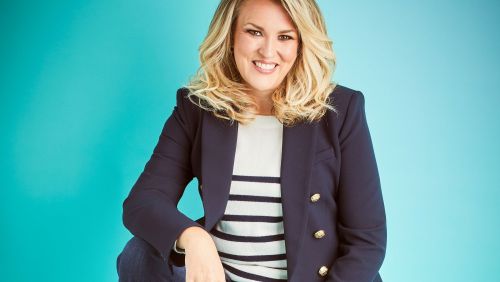
Janette Beetham, founder of Right Resources, argues that neuro-inclusion has to become an ongoing organizational responsibility. Her earlier career involved business advisory work, including a role as an area manager with a large UK youth charity. For the past 20 years, she has been focused on neuro-inclusion in the workplace. Today, she is open about being neurodivergent, however, early in her career, she made the case purely in business terms because, in her view, many organizations were not yet ready to hear it.
“Organizations often underestimate how many people this applies to,” Beetham says. “They may think they have one person in a department who needs support, when in reality many more are just coping.” She believes these employees may work longer hours and push harder simply to get through the day, which can eventually affect their wellbeing and mental health. For her, that is latent potential going unused.
Part of the problem, she explains, lies in how employers respond. In her experience, many signpost employees straight to occupational health. “For most people, neurodivergence is not a health issue,” Beetham adds. “It can become a mental health issue when people have not been able to reach out for support.”
This is why she places weight on workplace needs assessments carried out by trained, knowledgeable assessors. A thorough assessment, in her view, looks at all of the factors. “Historically, recommendations were often generic,” she notes. “A diagnosis often led to a standard set of equipment, when what really matters was how that person worked, their tasks, and where they did it.” The Expert Academic Panel on Neurodiversity reaches a similar conclusion, finding no evidence that a diagnosis can predict which adjustments a person needs.
Psychological safety sits at the center of her approach. Beetham does not believe employers can reliably spot when someone is masking their difficulties. “Employees need to feel safe, know what support is available, and feel able to reach out,” she says. “That only works when there are clear processes, and people are not afraid it will damage their credibility or their job.” The panel’s report likewise links turnover intentions and career satisfaction to psychological safety and relationships with line managers.
Because different people carry different responsibilities, she argues that one introductory session cannot equip an entire organization. Senior leaders, HR teams, occupational health, line managers, and impartial signposters may each need their own training. “Line managers and HR need accurate training first, because that is where conversations are likely to start and initial decisions are made,” Beetham explains. “Without that foundation, they may not offer the right kind of support.” She has also observed support begin to fail when a knowledgeable manager moves on, leaving employees who need it vulnerable.
“Reasonable adjustments related to neurodivergent conditions can be relatively low cost,” Beetham notes. “Organizations that support their whole workforce may strengthen their reputation and become employers of choice, while delayed or partial adjustments can carry legal risk.” She considers specialist strategy coaching one of the most effective adjustments, since it helps individuals explore and develop more effective approaches to their tasks.
As businesses invest in AI, Beetham believes they need to keep sight of human potential. “AI can be extremely helpful, but the danger comes when organizations treat it as the whole solution,” she says. “We are trying to optimize human potential, so we have to keep it human to be able to get the best from Human Intelligence, or HI, and AI.”
The organizations best placed to benefit from neurodiversity may be those that treat awareness as a starting point. Training the people who make decisions, building processes employees trust, and tailoring support to the individual can help talented people do their best work. Beetham’s aim is to help organizations create conditions where different minds can succeed as they are.
Neurodiversity is often a familiar topic in workplaces, introduced through an awareness session, a lunch-and-learn, or a themed week on the calendar. Those conversations can be a useful start. A workplace advisory service estimates that around 15 to 20% of adults process the world differently, suggesting most teams already include people who think in different ways. Many of them may be adapting without ever asking for help. That raises a question for employers about what happens after the awareness session ends.
Janette Beetham, founder of Right Resources, argues that neuro-inclusion has to become an ongoing organizational responsibility. Her earlier career involved business advisory work, including a role as an area manager with a large UK youth charity. For the past 20 years, she has been focused on neuro-inclusion in the workplace. Today, she is open about being neurodivergent, however, early in her career, she made the case purely in business terms because, in her view, many organizations were not yet ready to hear it.
“Organizations often underestimate how many people this applies to,” Beetham says. “They may think they have one person in a department who needs support, when in reality many more are just coping.” She believes these employees may work longer hours and push harder simply to get through the day, which can eventually affect their wellbeing and mental health. For her, that is latent potential going unused.
Entrepreneur UK
Entrepreneur Staff