Uzbekistan Wins the Biggest Olympiad in History. Now Sindarov Goes for the World Crown
Uzbekistan wins historic Chess Olympiad as Sindarov prepares for world title.
Michal Walusza/FIDE
Opinions expressed by Entrepreneur contributors are their own.
You're reading Entrepreneur United Kingdom, an international franchise of Entrepreneur Media.
Fresh from winning the largest Chess Olympiad in history on home soil, Uzbekistan is sending 20-year-old Javokhir Sindarov to Geneva, where he will challenge Gukesh Dommaraju for the world title in the youngest World Championship match the game has ever seen.
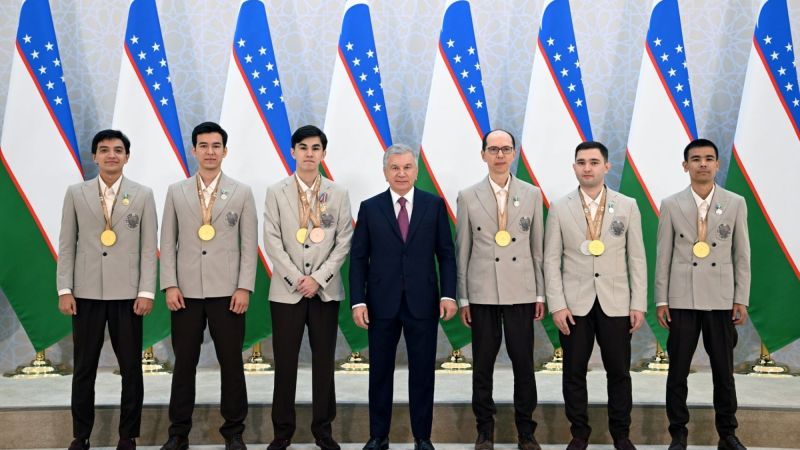
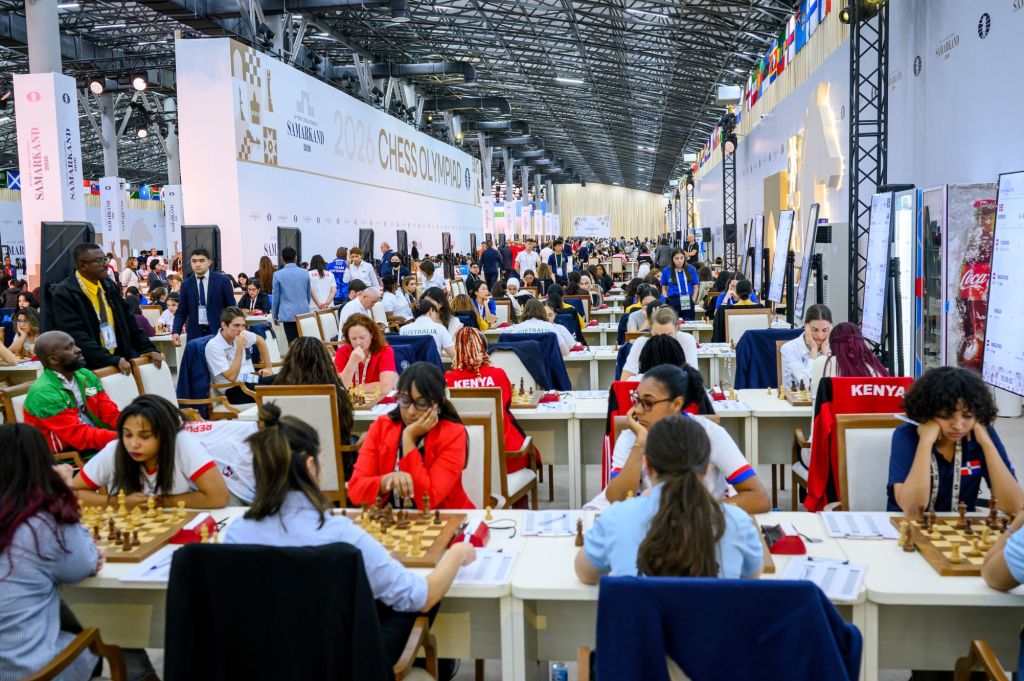
For two weeks in September, Samarkand was the capital of world chess — and when the pieces were finally swept from the boards, it was the home team standing at the top. Uzbekistan won the Open section of the 46th World Chess Olympiad, the largest in the event’s history with a record 397 teams from 205 federations, sealing gold with a final-round victory over Ukraine in front of packed stands. It is the country’s second Olympiad title after Chennai 2022: the team finished two points clear of the field, with India taking silver and Germany bronze.
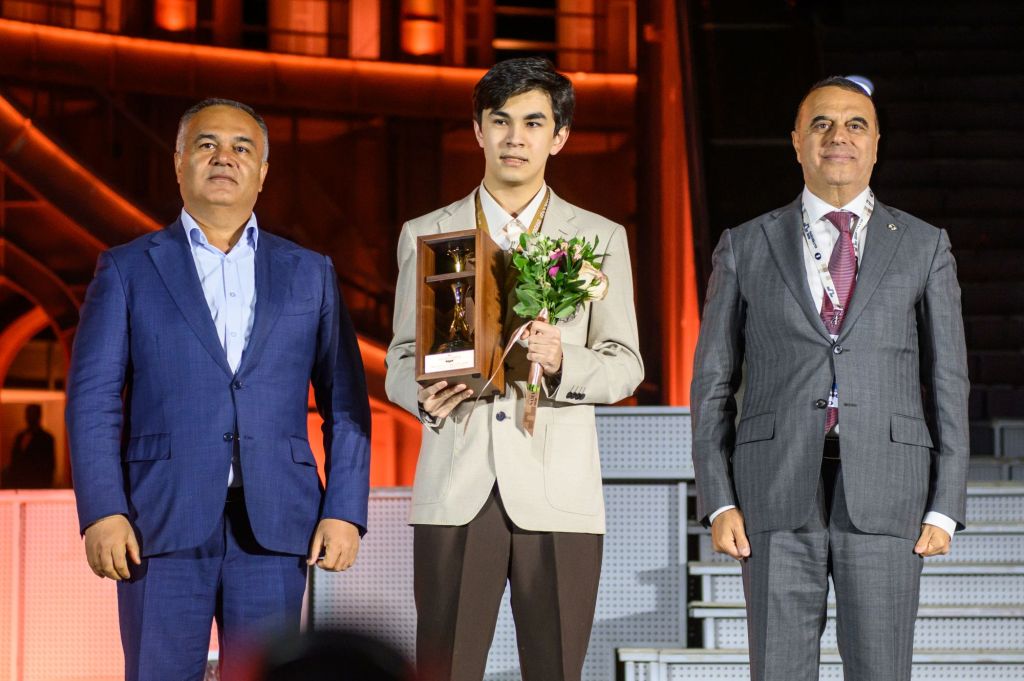
President Shavkat Mirziyoyev hailed the players as heroes of New Uzbekistan and a golden generation, singling out their wins over defending champions India, over China, and over the world’s top-rated team, the United States, on the road to the title. A new presidential decree on the development of chess, he added, will lay the foundation for even greater success. Shortly before, FIDE had named the Chess Federation of Uzbekistan the best federation of 2026 — recognition of a rise that has been both deliberate and backed by the state. Javokhir Sindarov was also named Best Male Player.
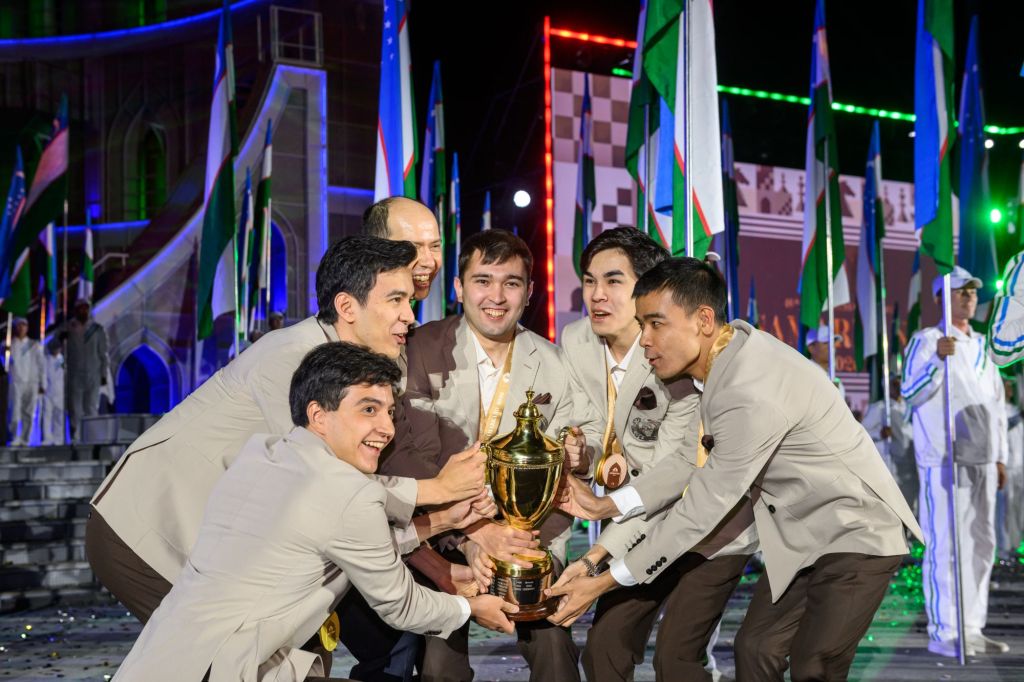
The tournament belonged to the players who, in just four years, have turned Uzbekistan from underdogs into champions. On top board, Nodirbek Abdusattorov went unbeaten against the strongest player of every opposing team, taking individual gold with the best performance of the entire Olympiad. The team was led by Rustam Kasimdzhanov — a former world champion himself — and it was reserve Mukhiddin Madaminov, also undefeated, who sealed the title on the final day.
“I think we can now say with confidence that Uzbekistan has no equal in the world of chess,” Abdusattorov said after the victory. “I believe we played this tournament at the very highest level,” added Sindarov. In a field of almost 2,000 players, the hosts settled the question on the board. But Uzbekistan’s biggest chess moment of the year is still to come — and it belongs to 20-year-old Javokhir Sindarov, who played his part in the Samarkand gold.
In late November, he travels to Geneva to play for the World Championship — the ultimate prize in chess. His opponent is the reigning champion, India’s Gukesh Dommaraju, who took the crown in Singapore in 2024 at the age of eighteen, winning 7½–6½ over fourteen games. Both players are 20, making the forthcoming contest the youngest World Championship match in the history of the game. Sindarov’s road to the match reads like a modern fairy tale. In 2025 he won the FIDE World Cup in Goa, becoming, at nineteen, the youngest winner in the event’s history. This spring he won the Candidates Tournament in Cyprus with an unbeaten score of 10 out of 14, earning the right to face Gukesh across the board.
Credit: Michal Walusza/FIDE
FIDE chose Geneva as a neutral venue — a city with a long tradition of bringing nations together. The first game is scheduled for 24 November, and the match will run until mid-December over a maximum of fourteen classical games. The total prize fund stands at US$2.5 million. Both players arrive in Switzerland having just tested themselves in the same playing hall in Samarkand — Sindarov with Uzbekistan’s gold, Gukesh with India’s silver. It was their final rehearsal before the title is decided. The stakes are matched only by the intrigue. Magnus Carlsen, the world’s highest-rated player, has called Sindarov the clear favourite, pointing to the champion’s inconsistent recent form. For Uzbekistan, this match is more than a sporting event. “We all expect great victories from Sindarov,” said President Mirziyoyev, addressing the young grandmaster directly and assuring him that he is more than capable of achieving them.
Only four years ago, Uzbekistan was just announcing itself as a chess power; today it is a champion that has welcomed the whole world on home soil. From Samarkand, the ancient crossroads of the Silk Road, the country now sends a single player to Geneva: 20-year-old Sindarov carries the hopes of an entire nation — and a chance Uzbekistan has never had before, to call the reigning world champion its own. The first game is now just weeks away.
Fresh from winning the largest Chess Olympiad in history on home soil, Uzbekistan is sending 20-year-old Javokhir Sindarov to Geneva, where he will challenge Gukesh Dommaraju for the world title in the youngest World Championship match the game has ever seen.
For two weeks in September, Samarkand was the capital of world chess — and when the pieces were finally swept from the boards, it was the home team standing at the top. Uzbekistan won the Open section of the 46th World Chess Olympiad, the largest in the event’s history with a record 397 teams from 205 federations, sealing gold with a final-round victory over Ukraine in front of packed stands. It is the country’s second Olympiad title after Chennai 2022: the team finished two points clear of the field, with India taking silver and Germany bronze.
President Shavkat Mirziyoyev hailed the players as heroes of New Uzbekistan and a golden generation, singling out their wins over defending champions India, over China, and over the world’s top-rated team, the United States, on the road to the title. A new presidential decree on the development of chess, he added, will lay the foundation for even greater success. Shortly before, FIDE had named the Chess Federation of Uzbekistan the best federation of 2026 — recognition of a rise that has been both deliberate and backed by the state. Javokhir Sindarov was also named Best Male Player.

Patricia Cullen • Features Writer
Entrepreneur Staff