The Work of Art: Artists, Audiences and Yorkshire
Olivia Colling on art, audiences and building a cultural destination in Yorkshire.
The Hepworth Wakefield
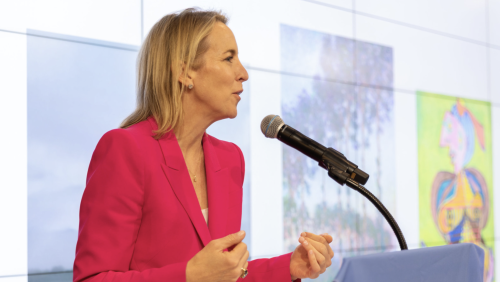
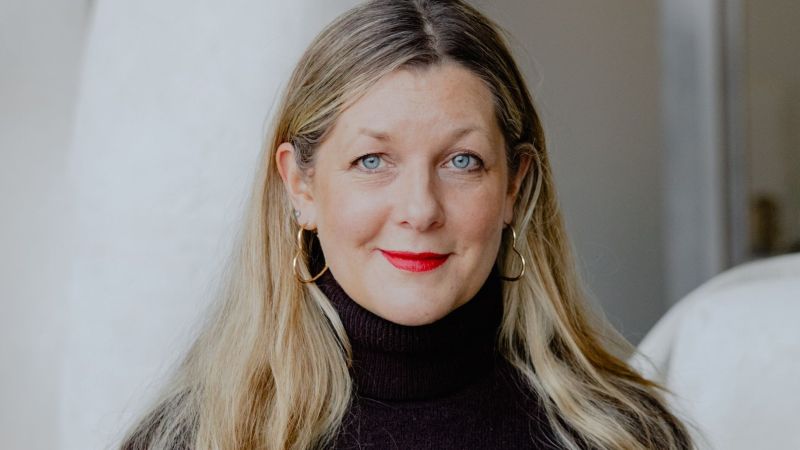
Olivia Colling, Executive Director at The Hepworth
Opinions expressed by Entrepreneur contributors are their own.
You're reading Entrepreneur United Kingdom, an international franchise of Entrepreneur Media.
Olivia Colling, Executive Director of The Hepworth Wakefield, talks about running a major gallery outside London, from supporting artists and attracting new audiences to finding new ways to keep the arts going.
What first drew you to the business of culture?
At school, the subjects I enjoyed most, and was good at, were creative ones. I went on to do a degree in Art History and Theatre Studies, so although I had no planned career path, I was always going to do something in the creative industries. I was lucky to land a job early on in my career at Tate, which I instantly loved. Having the opportunity to work with such creative thinkers and access outstanding art every day was incredibly inspiring and eye opening for me and I knew I had found my place. I’ve worked in museums ever since.
Can culture be commercially successful without compromising its purpose?
Absolutely! The exhibitions that are genuinely inspiring are the ones where you can’t leave without buying the accompanying book or a handful of postcards so that you can spend more time with the work. Many artists presented in our exhibition programme work with us to create a limited-edition artwork to sell. Sometimes this will be the first time the artist has worked in a new medium, so we mentor them through the process and this can lead to exciting new artistic outputs that the artist wants to further explore. For our visitors it is one of the best ways to start your own collection as you can buy an artwork, by a leading artist, at a more affordable price than trying to get hold of an original. We also support local artists by giving them selling shows in our café or collaborating with us on merchandise for our shop – this gives us unique, beautiful items to sell that you can’t get anywhere else, and provides a platform for the artist to build their profile and customer base.
What makes The Hepworth Wakefield different from other major galleries?
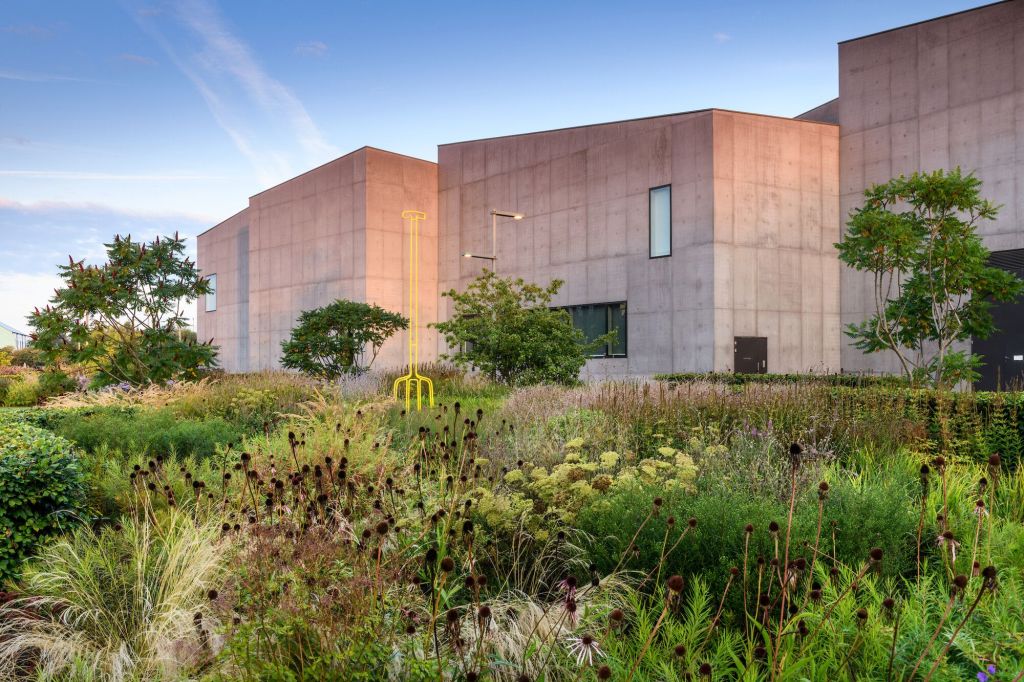
I think we are very clear about our purpose and values – we aim to be the very best place to experience modern and contemporary art, whilst making sure we are rooted locally and that every visitor is welcomed and has a great time. The first time you come across our David Chipperfield building rising directly out of the River Calder, it is like no other building you’ll ever experience. That specialness inspires everything else we provide – so you can enjoy outstanding art aided (if you wish) by our knowledgeable gallery hosts, have the tastiest lunch in our café or bring a picnic to have in our beautiful Tom Stuart-Smith garden, take part in a creative workshop devised by local artists and soon, younger visitors will be able to burn off some energy in the playground we are building. We understand that different people use and explore The Hepworth Wakefield in many different ways and for many different reasons, and we work hard to make everyone feel comfortable and confident that this is a place for them.
Can Wakefield and Yorkshire become a leading cultural destination?
I think we are well on our way! Wakefield was home to two of Britain’s most important artists of the 20th century – Barbara Hepworth and Henry Moore. This sculptural legacy has led to Yorkshire Sculpture International, a partnership between four of Yorkshire’s leading arts organisations, helping to strengthen both Wakefield’s reputation as the UK’s Capital of Sculpture and West Yorkshire’s position as a leading destination for art and culture. It’s a major festival held every three years, and the next one is 2027. We also have a solid track record for nurturing and providing opportunities for contemporary artists through the ecosystem of arts universities, creative studios and galleries that exist here in West Yorkshire. Wakefield is the only place outside of London to have two Art Fund Museum of the Year winners, with The Hepworth Wakefield and Yorkshire Sculpture Park. Together with the National Coal Mining Museum; the Georgian house, gardens and parkland of National Trust property Nostell; the smallest surviving Frank Matcham theatre; as well as an array of castles and live music venues across the district, we really do have an exceptional visitor offer.
What’s the biggest opportunity in the arts that others are missing?
I genuinely believe that people working in regional art galleries are some of the most creative and resourceful people I have ever met, delivering incredible programmes with dwindling public funding and coming up with ever more entrepreneurial ways to fill the funding gap. Partnership working across the sector has to be a priority to share resources, ideas and develop a more sustainable pipeline of funding, particularly for those outside of the capital. An attitude that allows us to try new things and not be afraid if they fail is important. Finding ways to embrace digital developments in an authentic way to be more efficient and enable more people to connect with us and the collections we are responsible for is also an exciting opportunity, if handled responsibly. A broader understanding of the true value of the arts, both to the health and wellbeing of the nation and to the economy, is an urgent message to get across.
Olivia Colling, Executive Director of The Hepworth Wakefield, talks about running a major gallery outside London, from supporting artists and attracting new audiences to finding new ways to keep the arts going.
What first drew you to the business of culture?
At school, the subjects I enjoyed most, and was good at, were creative ones. I went on to do a degree in Art History and Theatre Studies, so although I had no planned career path, I was always going to do something in the creative industries. I was lucky to land a job early on in my career at Tate, which I instantly loved. Having the opportunity to work with such creative thinkers and access outstanding art every day was incredibly inspiring and eye opening for me and I knew I had found my place. I’ve worked in museums ever since.
Can culture be commercially successful without compromising its purpose?
Absolutely! The exhibitions that are genuinely inspiring are the ones where you can’t leave without buying the accompanying book or a handful of postcards so that you can spend more time with the work. Many artists presented in our exhibition programme work with us to create a limited-edition artwork to sell. Sometimes this will be the first time the artist has worked in a new medium, so we mentor them through the process and this can lead to exciting new artistic outputs that the artist wants to further explore. For our visitors it is one of the best ways to start your own collection as you can buy an artwork, by a leading artist, at a more affordable price than trying to get hold of an original. We also support local artists by giving them selling shows in our café or collaborating with us on merchandise for our shop – this gives us unique, beautiful items to sell that you can’t get anywhere else, and provides a platform for the artist to build their profile and customer base.

Patricia Cullen • Features Writer
Entrepreneur Staff