The Founder Who Built a BPO Business to Outlast His Day-to-Day Role
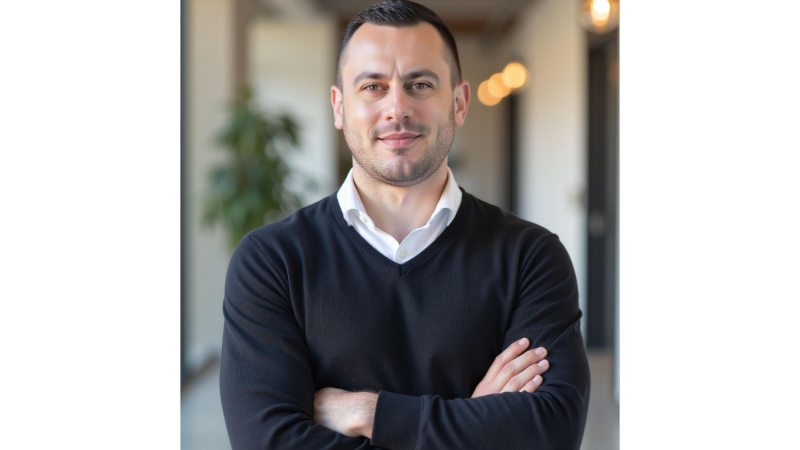
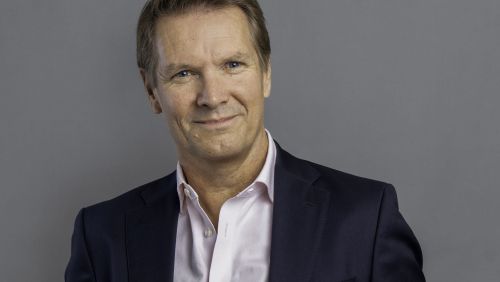
Anthony Godley
Most founders grip tighter when the machine begins to roar. Anthony Godley chose the rarer move. After building Logix BPO into an international outsourcing business with more than 1,000 full-time staff, he stepped out of the chief executive seat and took the chairman’s role, staking his name on an idea many founders never dare test: a real company should keep moving when its creator is no longer in every meeting. That decision turns his story from a growth profile into something sharper and far more revealing.
From buyer to builder
Godley did not arrive at outsourcing as a man chasing a trend. He spent 13 years in digital transformation, largely in senior posts such as Digital Director and Head of Search, working close to major brands and learning how commercial pressure shapes every decision. Time spent with teams in the Philippines gave him a deep working feel for the country long before Logix existed, and that matters because he learned the trade from the buyer’s side rather than from a pitch deck. He saw where offshore work earned trust, and where it lost it in a heartbeat: thin communication, poor control, and a service gap between what clients were promised and what they received. Pedigree was never the center of his case; the story was built through work, judgment, and repeated exposure to what real operators need when costs rise, and patience runs thin.
When Logix took shape, the company was never framed as a generic call center chasing seats and scripts. It was built as a British-owned, Philippines-based firm serving clients across the UK, US, Australia, New Zealand, and the wider ASEAN region, with Godley using his own commercial background to mould the business around what clients feared and what they valued most. “I build from inside the industries I serve,” he has said, and the line helps explain why the company sounds grounded rather than glossy. He had sat on the side of the table where buyers worry about churn, weak accountability, and the risk of handing customer trust to a partner thousands of miles away. Logix grew from that tension, offering a bridge between Western expectations and Philippine talent instead of pretending the distance did not matter.
The seat he chose to leave
Scale gave the story proof. Logix grew from a start-up into a business with more than 1,000 full-time staff, serving clients across multiple continents and building a name strong enough to draw attention in a crowded field. Yet the boldest act in Godley’s journey came after the company had momentum behind it. He chose to move from CEO to Chairman, a move the brief itself treats as rare because many founders end up trapped inside the companies they once set free. Growth can flatter the ego, and daily control can feel like purpose, so stepping away from the loudest seat often takes more nerve than taking it in the first place.
“I am an operator, not just a founder,” Godley has said, and the force of that line rises when it is placed beside his other remark. “I build businesses that outlast my day-to-day involvement, rather than being the bottleneck.” Plenty of entrepreneurs speak grandly about legacy once the drama has passed and the exits are mapped out. Far fewer loosen their grip while the business is still growing, clients are still arriving, and every fresh win could tempt them back into the center of the room. Godley made the colder choice, recasting his role around board leadership, major decisions, executive support, governance, risk, and long-range direction rather than the daily whirl of operations.
Chairman, in his case, is not a ceremonial label pinned on after the heavy lifting is done. The brief places him at the center of strategic direction, board oversight, financial judgment, stakeholder relations, and the bigger calls about where the business should go next. Room opened for him to think beyond the next queue and the next target, and toward new markets, corporate development, and the wider arc of his business life. That is where the drama of his story really sits: he did not leave because the job was done, but because the company had reached a point where leadership could take a different form.
What remains after the daily role changes
Logix still carries the marks of the man who built it. With clients across multiple sectors and markets, the wider business case rests on retention, compliance, and the operating discipline required to handle sensitive work at scale. Godley’s background on the buyer’s side gave him a sharp read on that anxiety, and Logix answered it with a people-first model and a serious compliance posture. Those details matter less as bragging rights than as evidence that the company was built to hold weight beyond the founder’s presence in the room.
Godley’s wider role now reaches into board advisory, corporate structuring, venture building, investment, and new-market expansion, which places Logix inside a broader personal story rather than at the end of one. His website, anthonygodley.com, is meant to serve as the main hub for that wider identity, giving one clear home to the founder, the chairman, and the next chapter gathering around him. A founder who clings to the chief executive desk forever can become the ceiling above his own company, while a founder who departs too early can look like a man fleeing his own creation. Godley’s journey lands in the harder middle ground, and that is what gives it force: he built enough to step back, stepped back without vanishing, and left behind a business meant to carry his standards long after his daily role changed.
Most founders grip tighter when the machine begins to roar. Anthony Godley chose the rarer move. After building Logix BPO into an international outsourcing business with more than 1,000 full-time staff, he stepped out of the chief executive seat and took the chairman’s role, staking his name on an idea many founders never dare test: a real company should keep moving when its creator is no longer in every meeting. That decision turns his story from a growth profile into something sharper and far more revealing.
From buyer to builder
Godley did not arrive at outsourcing as a man chasing a trend. He spent 13 years in digital transformation, largely in senior posts such as Digital Director and Head of Search, working close to major brands and learning how commercial pressure shapes every decision. Time spent with teams in the Philippines gave him a deep working feel for the country long before Logix existed, and that matters because he learned the trade from the buyer’s side rather than from a pitch deck. He saw where offshore work earned trust, and where it lost it in a heartbeat: thin communication, poor control, and a service gap between what clients were promised and what they received. Pedigree was never the center of his case; the story was built through work, judgment, and repeated exposure to what real operators need when costs rise, and patience runs thin.
When Logix took shape, the company was never framed as a generic call center chasing seats and scripts. It was built as a British-owned, Philippines-based firm serving clients across the UK, US, Australia, New Zealand, and the wider ASEAN region, with Godley using his own commercial background to mould the business around what clients feared and what they valued most. “I build from inside the industries I serve,” he has said, and the line helps explain why the company sounds grounded rather than glossy. He had sat on the side of the table where buyers worry about churn, weak accountability, and the risk of handing customer trust to a partner thousands of miles away. Logix grew from that tension, offering a bridge between Western expectations and Philippine talent instead of pretending the distance did not matter.