Entrepreneur UK: Business Breakfast Reflections
Founders urged to choose conviction, resilience and authenticity over perfection.
Snizhana Yarovaya
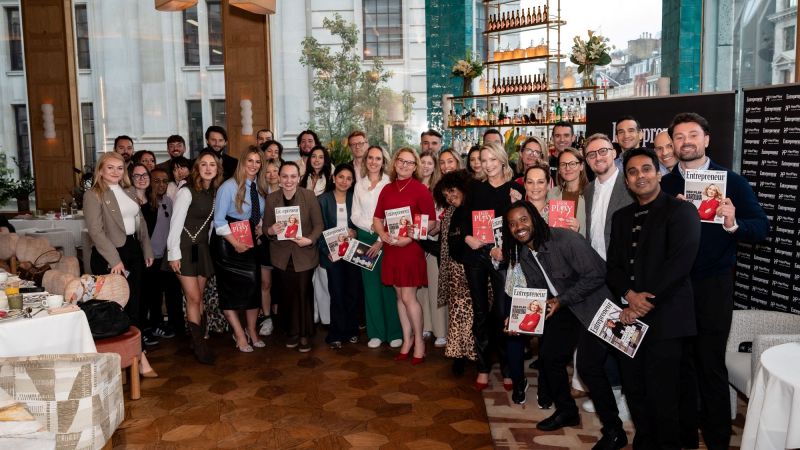
Founders and business leaders gather at Entrepreneur UK's Business Breakfast at Riviera Restaurant
Opinions expressed by Entrepreneur contributors are their own.
You're reading Entrepreneur United Kingdom, an international franchise of Entrepreneur Media.
Before the first coffee cups had cooled, Riviera in St James’s was filled with founders swapping stories of setbacks, growth and the realities of building a business in 2026. Approximately 40 founders and business leaders gathered at Riviera restaurant yesterday morning for Entrepreneur UK’s latest Business Breakfast, where speakers including bestselling behavioural author Nir Eyal, personal branding expert Amelia Sordell, start-up founder and author Karolina Pelc and founder Richard Moore explored the realities of entrepreneurship. Speakers tackled everything from limiting beliefs and resilience to authenticity and personal branding.
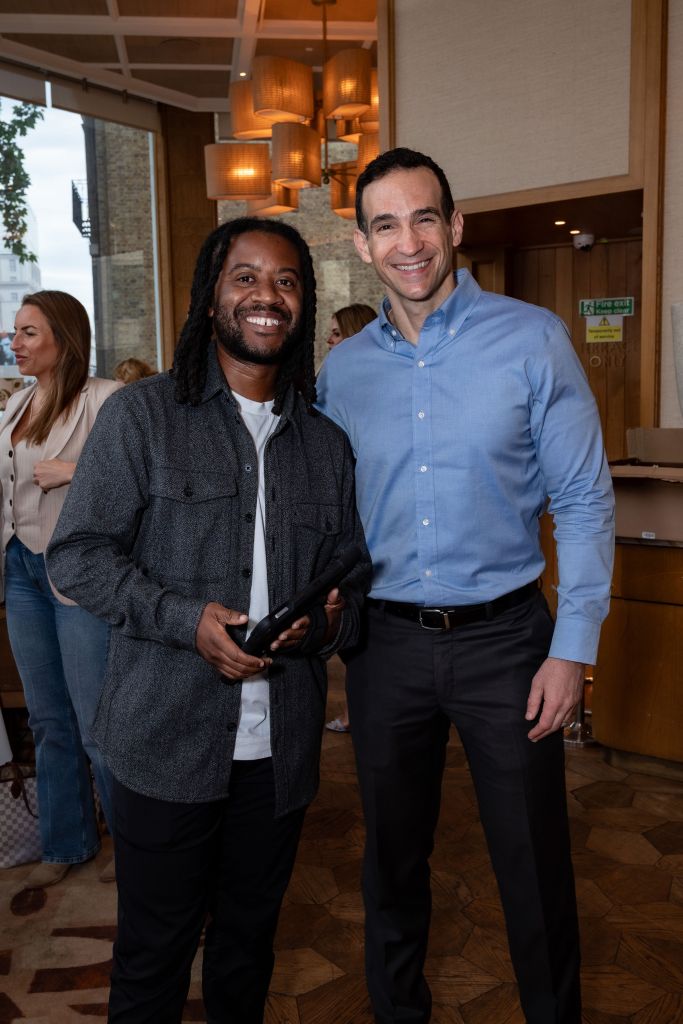
Photo credit: Snizhana Yarovaya
What started as a business breakfast soon became an open exchange of founder experiences. It was an intimate event that brought together some of the most influential voices in entrepreneurship to discuss resilience, growth and the realities of building a business today. Hosted by entrepreneur and investor Andy Ayim, the morning offered a refreshing antidote to the polished narratives that often dominate conversations around success. Instead, speakers focused on the messy middle: the setbacks, self-doubt and difficult decisions that define the entrepreneurial journey.
Among the standout speakers was behavioural design expert and bestselling author of Beyond Belief, Nir Eyal, whose reflections on limiting beliefs struck a chord with the audience. Eyal challenged founders to reconsider the stories they tell themselves about their capabilities and circumstances. “Beliefs are not facts,” he said. “They are stories we’ve repeated often enough to mistake for reality.” It was a simple observation, but one that carried weight in a room filled with people navigating uncertainty. Eyal pointed out that there is a ‘lie’ hidden inside the word ‘belief’ itself, encouraging attendees to interrogate assumptions that may be holding them back. His remarks on perseverance resonated equally strongly. “It’s not that quitting is wrong,” he said, “it’s quitting too soon that’s the problem.” For founders accustomed to navigating setbacks, funding challenges and shifting markets, the distinction felt particularly relevant. The question, Eyal suggested, is not whether to pivot or persevere, but whether enough time has been given to discover what lies beyond the inevitable discomfort of building something new.
Credit: Snizhana Yarovaya
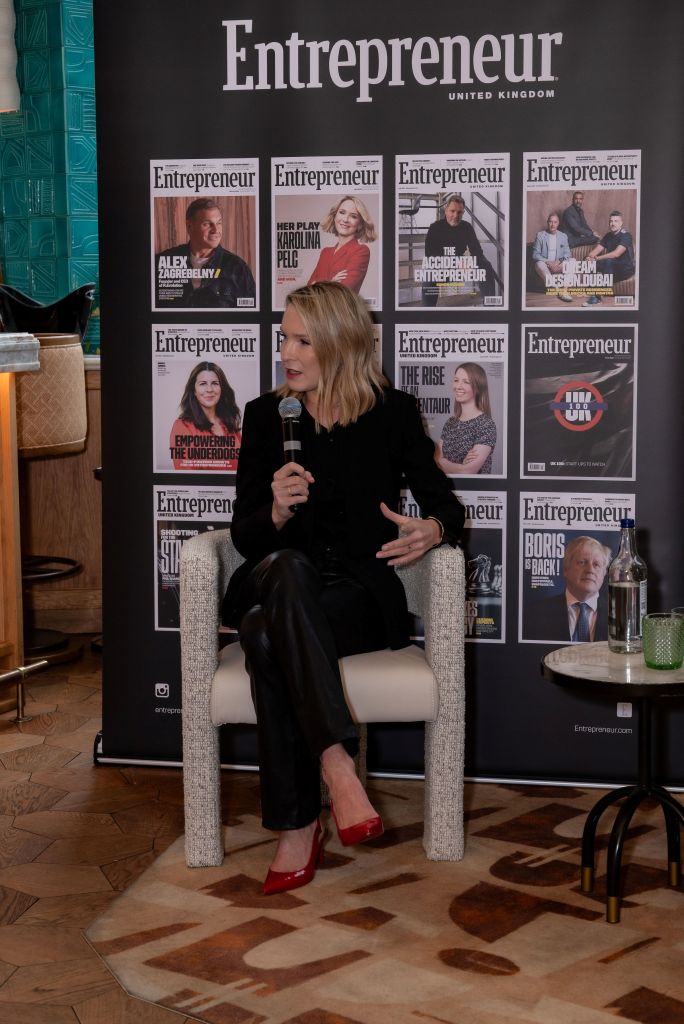
That theme of conviction surfaced again during a conversation with Karolina Pelc, founder and chief executive of BeyondPlay, who spoke about her book, Her Play: Make Your Own Luck. Pelc reflected on what sets the most successful founders apart. “What will always separate standout founders is their passion and conviction in what they do,” she said. She stressed the importance of conviction in pursuing your goals, particularly in a challenging business environment, adding that “the entrepreneur journey is a rollercoaster.” Her comments captured a truth familiar to many in the room. While strategy, funding and execution matter, enduring the highs and lows of entrepreneurship often comes down to belief in the mission itself. If conviction was one thread running through the morning, authenticity was another.
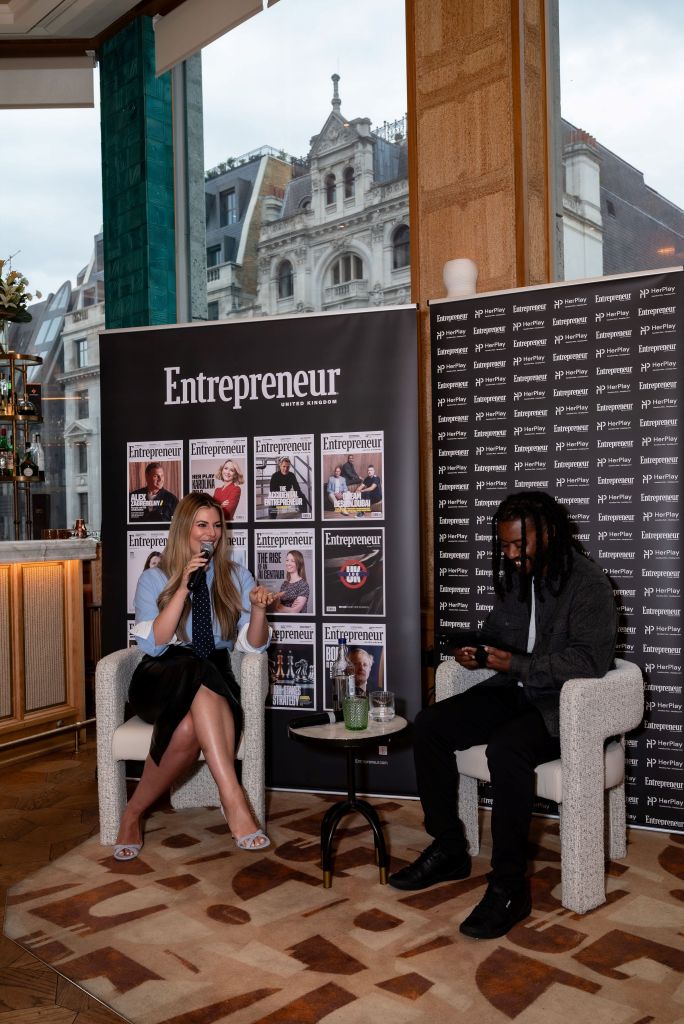
Amelia Sordell, founder of personal branding agency Klowt, challenged the audience’s assumptions about how they present themselves professionally. In an era where social media rewards polished narratives, Sordell argued that perfection can often undermine trust. “We have this perception that we have to make everything perfect,” she said. The problem, she explained, is that people naturally tell stories from a position of hindsight, once the difficult moments have already passed. That approach may feel safer, but it can create distance between founders and their audiences. Sordell argued that presenting an overly polished version of yourself can often have the opposite effect. “Talking from a place that things are perfect makes people not trust you as much,” she said. Sordell built her own personal brand by doing the opposite: sharing mistakes, challenges and moments when things went wrong. She built her brand by openly sharing failures and challenges. “People invest more in you for things to go right,” she said, arguing that people are more likely to root for founders when they have seen the difficult moments along the way. The message landed because it reflected a wider shift in how entrepreneurs connect with customers, investors and peers. Increasingly, credibility is built not through flawless execution but through honesty, vulnerability and consistency.
Credit: Snizhana Yarovaya
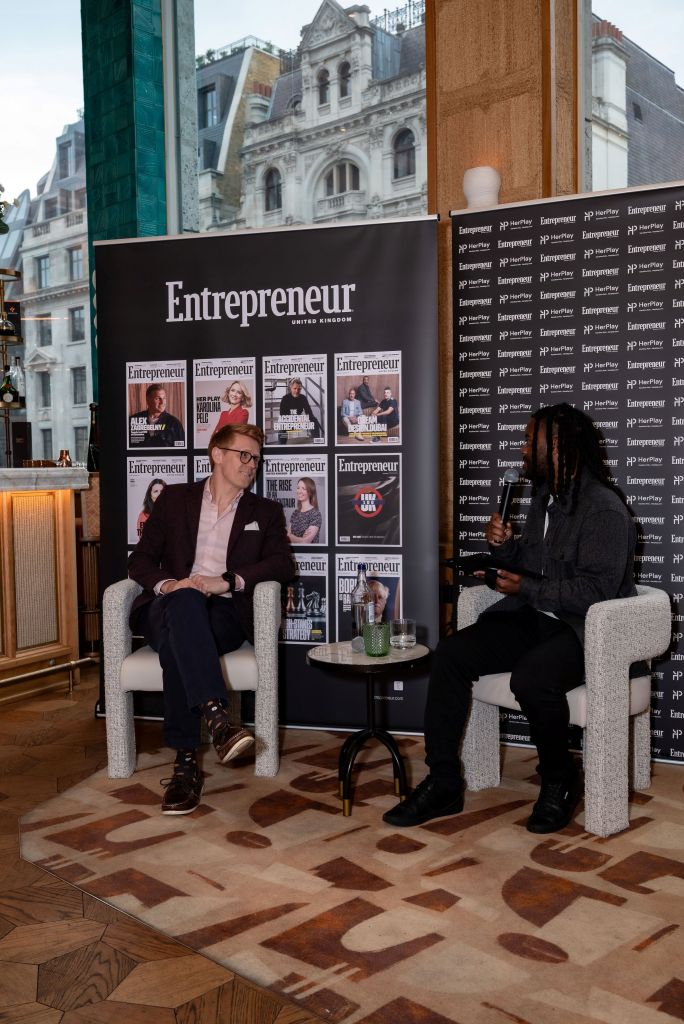
Rather than a series of keynote speeches, the morning felt like a genuine conversation, as Richard Moore reflected on the highs, lows and lessons of entrepreneurship. He spoke about starting out with no brand behind him, describing himself as “just a guy.” Today, he has built a multi-million-pound business through LinkedIn, which he said stemmed from establishing himself as a trusted voice in his field. Moore argued that people are looking for clarity and expertise. “When you give them the solution, they love to be led,” he said.
The prevailing mood in the room was one of cautious optimism. The founders at Riviera were at different stages of their journeys, but the same idea kept resurfacing: success rarely comes from perfect plans. Progress, speakers suggested, comes from showing up, staying the course and doing the work.
Read more about the Business Breakfast and upcoming events in the July magazine issue.
Credit: Snizhana Yarovaya
Before the first coffee cups had cooled, Riviera in St James’s was filled with founders swapping stories of setbacks, growth and the realities of building a business in 2026. Approximately 40 founders and business leaders gathered at Riviera restaurant yesterday morning for Entrepreneur UK’s latest Business Breakfast, where speakers including bestselling behavioural author Nir Eyal, personal branding expert Amelia Sordell, start-up founder and author Karolina Pelc and founder Richard Moore explored the realities of entrepreneurship. Speakers tackled everything from limiting beliefs and resilience to authenticity and personal branding.
Photo credit: Snizhana Yarovaya
What started as a business breakfast soon became an open exchange of founder experiences. It was an intimate event that brought together some of the most influential voices in entrepreneurship to discuss resilience, growth and the realities of building a business today. Hosted by entrepreneur and investor Andy Ayim, the morning offered a refreshing antidote to the polished narratives that often dominate conversations around success. Instead, speakers focused on the messy middle: the setbacks, self-doubt and difficult decisions that define the entrepreneurial journey.
Among the standout speakers was behavioural design expert and bestselling author of Beyond Belief, Nir Eyal, whose reflections on limiting beliefs struck a chord with the audience. Eyal challenged founders to reconsider the stories they tell themselves about their capabilities and circumstances. “Beliefs are not facts,” he said. “They are stories we’ve repeated often enough to mistake for reality.” It was a simple observation, but one that carried weight in a room filled with people navigating uncertainty. Eyal pointed out that there is a ‘lie’ hidden inside the word ‘belief’ itself, encouraging attendees to interrogate assumptions that may be holding them back. His remarks on perseverance resonated equally strongly. “It’s not that quitting is wrong,” he said, “it’s quitting too soon that’s the problem.” For founders accustomed to navigating setbacks, funding challenges and shifting markets, the distinction felt particularly relevant. The question, Eyal suggested, is not whether to pivot or persevere, but whether enough time has been given to discover what lies beyond the inevitable discomfort of building something new.

Patricia Cullen • Features Writer
Entrepreneur Staff