SXSW London bets on ideas, influence and East London energy
SXSW London transforms Shoreditch into a global hub for innovation
SXSW
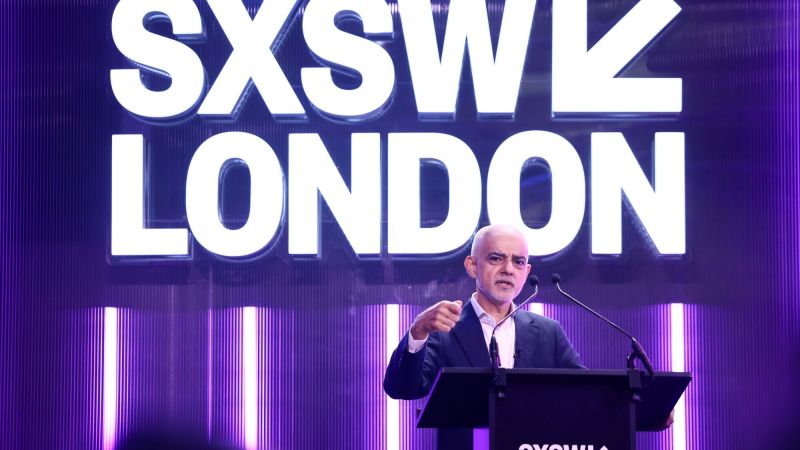
Sadiq Khan speaks at SXSW London during the festival's opening day in East London.
Opinions expressed by Entrepreneur contributors are their own.
You're reading Entrepreneur United Kingdom, an international franchise of Entrepreneur Media.
From Michelle Obama to autonomous vehicles, the inaugural SXSW London aims to prove that the capital can become the global crossroads where technology, culture and business collide.
For one week, Shoreditch became the centre of a global conversation. The inaugural SXSW London transformed East London into a sprawling festival campus, bringing together more than 900 speakers, hundreds of performers and thousands of delegates in an ambitious attempt to create a distinctly British answer to one of the world’s most influential gatherings of ideas.
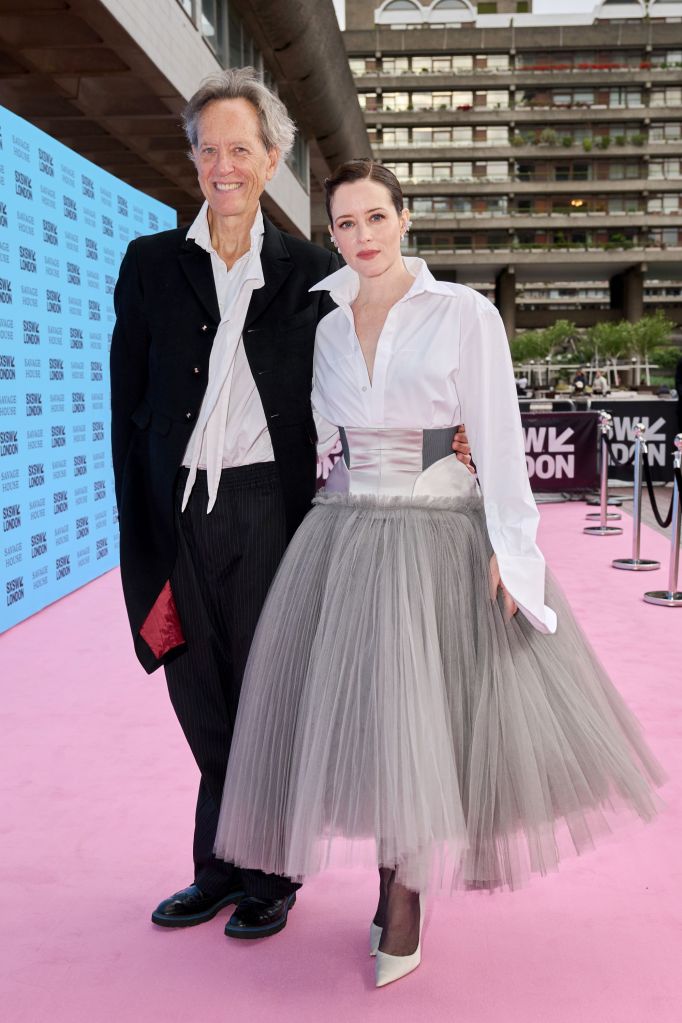
Spread across venues throughout Shoreditch and the surrounding streets, the event hosted more than 300 conference sessions alongside film premieres, live music showcases, exhibitions and networking events. The ambition was clear: to position London not merely as a host city, but as a place where conversations about technology, creativity and commerce can shape real-world outcomes. The opening set the tone. London Mayor Sadiq Khan championed the capital’s status as a global centre for innovation and creativity, while Chris Bryant, Minister of State for the Department for Business and Trade, officially opened UK House, underlining the event’s growing significance within the UK’s business and policy landscape.
But if SXSW London wanted a statement moment, it arrived on Tuesday when Michelle Obama and her brother Craig Robinson took to the stage for a live recording of their IMO podcast. Their conversation, centred on family, leadership and public service, drew one of the festival’s largest audiences and demonstrated the event’s ability to attract speakers whose influence extends far beyond their immediate industries.
The week also showcased the increasingly blurred lines between entertainment, technology and business. Directors Joe and Anthony Russo offered audiences an exclusive preview of their upcoming Netflix film The Electric State, while Waymo, the festival’s first Super Partner, brought discussions around autonomous mobility into the heart of East London. Elsewhere, LEGO revealed its highly anticipated collaboration with Pokémon, a partnership uniting two of the world’s most recognisable brands and highlighting the growing commercial value of nostalgia-driven intellectual property. Yet SXSW London’s appeal lay as much in its breadth as its headline names.
On Wednesday, the Prince of Wales met recipients of The Diana Award, recognising young people creating social change around the world. Queen Rania Al Abdullah of Jordan spoke about education, empathy and opportunity in an increasingly fragmented world, while Amnesty International secretary general Agnès Callamard examined the pressures facing democracy and human rights globally.
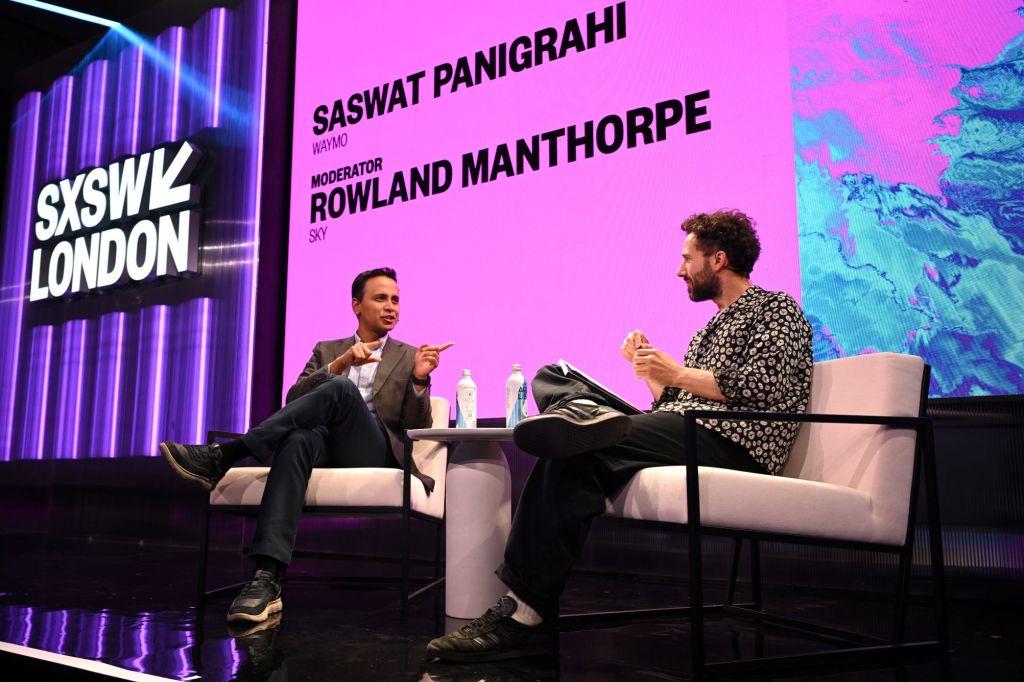
Politics, technology and public policy frequently intersected throughout the programme. Former health secretary Wes Streeting explored the transformative potential of artificial intelligence and the challenges governments face in implementing emerging technologies responsibly. Business leaders and entrepreneurs, meanwhile, found no shortage of practical insight. Todd Boehly discussed investing across sport, media and entertainment, while luxury real estate entrepreneur Ryan Serhant reflected on how personal branding and digital storytelling are reshaping modern business. Content creator Big John examined the economics of online communities and the increasingly sophisticated relationship between creators and brands.
The festival also leaned heavily into conversations about human connection in an era increasingly defined by digital interaction. Psychotherapist and bestselling author Esther Perel drew audiences with discussions about relationships, intimacy and the complexities of modern life, while Ben & Jerry’s co-founder Ben Cohen argued for a model of business that places social impact alongside profit. For television audiences, there was a touch of familiarity in the form of Ant and Dec, who reflected on the challenge of maintaining relevance in a rapidly evolving media landscape and the enduring importance of audience trust.
Beyond the conference halls, the numbers reveal the scale of SXSW London’s cultural ambitions. More than 200 artists performed across the music programme, including Pete Tong, Jax Jones, Rachel Chinouriri, Rabit Cult, Sega Bodega and DJ EG. The film strand featured 42 premieres, alongside 45 feature films, 68 short films, 11 XR works, six music videos and four television series. In total, filmmakers and creators from 56 countries were represented.
Those figures matter because SXSW London’s success will ultimately be judged not by celebrity appearances alone, but by whether it can establish itself as a meaningful platform for global exchange. The original SXSW in Austin built its reputation by bringing together technology innovators, artists, entrepreneurs and policymakers before many of their ideas entered the mainstream. London is hoping to replicate that formula, while adding its own advantages: a world-leading financial centre, a thriving creative economy and a regulatory environment increasingly influential in shaping global technology policy.
The result is a festival that feels uniquely suited to its host city. In Shoreditch’s converted warehouses, theatres and event spaces, conversations about artificial intelligence, entertainment, activism, business and culture unfolded side by side. The message was that innovation no longer belongs to any single industry; it emerges where disciplines collide.
Whether SXSW London becomes a permanent fixture on the international festival calendar remains to be seen. But for one week at least, East London succeeded in becoming a meeting point for some of the most influential voices in politics, business, technology and culture — and a reminder that in an increasingly connected world, ideas remain one of the most valuable currencies of all.
Reflecting on the week, Katy Arnander, Chief Programming Officer at SXSW London, said: “In its second year in London, SXSW London has exceeded expectations, bringing together an extraordinary community of thinkers, creators, entrepreneurs, business leaders, policymakers and artists from around the world.
From major announcements and thought-provoking debates to unforgettable performances and new partnerships, we’ve seen the kind of ideas, conversations and connections that define SXSW at its best. The energy across Shoreditch has been incredible, and we’re excited to return in 2027 and continue growing SXSW London over the next decade.”
From Michelle Obama to autonomous vehicles, the inaugural SXSW London aims to prove that the capital can become the global crossroads where technology, culture and business collide.
For one week, Shoreditch became the centre of a global conversation. The inaugural SXSW London transformed East London into a sprawling festival campus, bringing together more than 900 speakers, hundreds of performers and thousands of delegates in an ambitious attempt to create a distinctly British answer to one of the world’s most influential gatherings of ideas.
Spread across venues throughout Shoreditch and the surrounding streets, the event hosted more than 300 conference sessions alongside film premieres, live music showcases, exhibitions and networking events. The ambition was clear: to position London not merely as a host city, but as a place where conversations about technology, creativity and commerce can shape real-world outcomes. The opening set the tone. London Mayor Sadiq Khan championed the capital’s status as a global centre for innovation and creativity, while Chris Bryant, Minister of State for the Department for Business and Trade, officially opened UK House, underlining the event’s growing significance within the UK’s business and policy landscape.

Patricia Cullen • Features Writer
Entrepreneur Staff