Simon Dilhas: Managing Document Context and Traceability in AI Environments Through iterthink
iterthink also reflects a broader anticipation that organizations will increasingly use multiple AI systems depending on task requirements, cost considerations, or privacy needs.
itherthink
You're reading Entrepreneur United Kingdom, an international franchise of Entrepreneur Media.
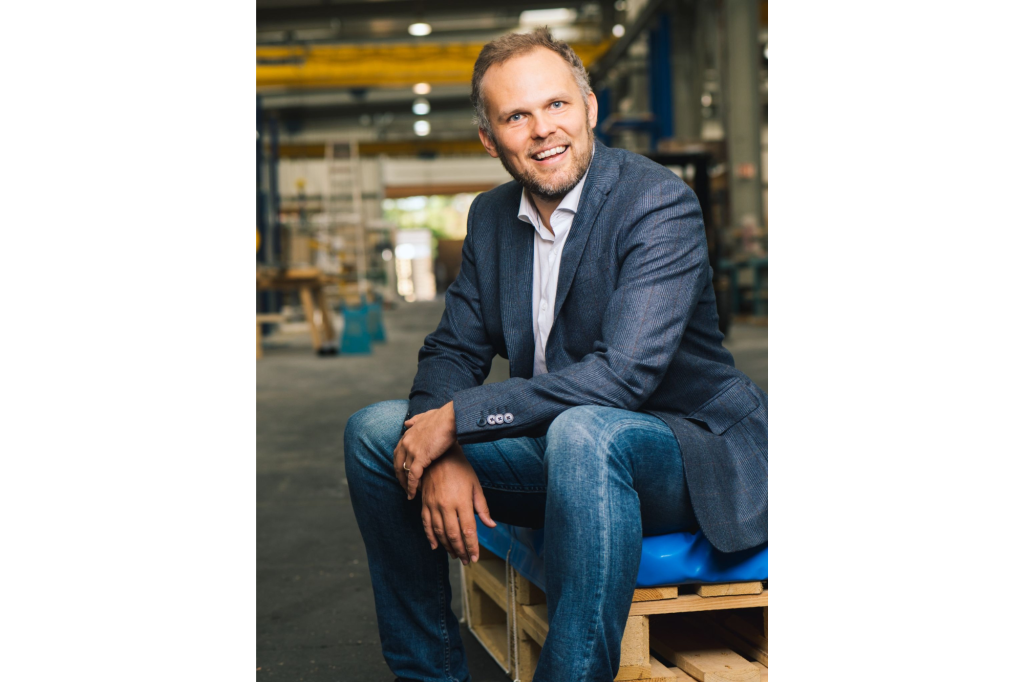
Simon Dilhas leads the work behind iterthink as part of a broader effort to reimagine how digital tools support decision-making and document creation. His perspective on software ownership and trust leans toward systems where users maintain direct control over their information, rather than relying on layered dependencies. Within this framing, iterthink emerges as an attempt to bring greater visibility to how written content evolves, especially in environments where AI contributes to drafting and refinement.
His professional path began in architecture, where he spent more than a decade working across design and project management. That experience shaped an understanding of how information flows through complex projects and how small inconsistencies in documentation can influence outcomes later on. He says, “This exposure led me toward software development, where I shifted focus from physical construction projects to digital systems capable of improving how such work is managed and understood.”
That transition became the foundation for abstract, a company built around making structured information more usable across technical workflows. Early tools such as AbstractBIM and PragmaticBIM focused on reducing friction in how building information is prepared, reviewed, and applied. These products reflected a consistent concern: information loses value when it is difficult to trace, interpret, or reliably reuse.
That concern eventually extended beyond modeling environments into written communication itself, which led to the creation of iterthink. The initial motivation came from a personal writing workflow where iterative AI-assisted edits made it difficult to retrace earlier phrasing decisions. “Small changes accumulated across versions, and earlier ideas often became harder to recover. This experience led to the idea for a system that preserves the evolution of text rather than fragmenting it across tools and sessions,” Dilhas states.
iterthink was built to address that gap by introducing a review layer where every modification remains visible and interpretable. Instead of treating documents as static outputs, it treats them as evolving structures where each adjustment carries context. Dilhas views this as a shift toward understanding not only the final text but also the sequence of changes that produced it.
A key design decision behind iterthink is its local-first architecture. Rather than relying solely on cloud-based delivery models, the system prioritizes running on the user’s device, keeping data under direct user control. This approach reflects Dilhas’ view that software should support trust through transparency and ownership. Files remain portable, edits are tracked across versions, and users can inspect how changes unfold over time without losing access to earlier states.
This direction also connects to a broader belief that openness strengthens software ecosystems. Dilhas says, “I believe that making systems inspectable and verifiable increases confidence in their use, particularly in environments where AI-generated content is becoming more common.” iterthink’s planned trajectory includes a commitment to open sourcing its core over time, reinforcing the idea that visibility into system behavior can support long-term adoption and collaboration.
That philosophy extends into how he views recurring subscription models common in modern software distribution. Instead of emphasizing dependency on external platforms, iterthink is positioned around user ownership, including options for local models, external providers, or personal API configurations. The goal is to reduce friction between users and their tools while preserving flexibility in how intelligence is integrated into workflows.
As AI becomes more deeply embedded in writing and analysis, Dilhas expects attention to shift toward systems that manage context, review, and traceability rather than generation alone. “The future of AI may depend on helping people see,” he remarks. In this view, clarity comes not only from better models but from better visibility into the steps those models take.
iterthink also reflects a broader anticipation that organizations will increasingly use multiple AI systems depending on task requirements, cost considerations, or privacy needs. Within that environment, the surrounding infrastructure becomes more significant than any single model. Systems that preserve document history, highlight meaning shifts, and maintain user oversight may play a central role in how teams coordinate AI-assisted work.
Over time, this approach expands beyond document editing into a wider ecosystem where information is treated as an evolving asset. “I envision tools that not only support writing but also preserve organizational knowledge, making past decisions easier to revisit and understand,” Dilhas shares. This extends the role of iterthink from a writing environment into a long-term knowledge layer that supports continuity across projects.
Across his work, Simon Dilhas stresses the importance of trust built through transparency and user control. Rather than positioning software as a closed service, his approach leans toward systems that users can inspect, modify, and eventually own. That perspective frames iterthink as a step toward reshaping how technology relationships are formed, where ownership and clarity take precedence in how digital tools are experienced and adopted.
Simon Dilhas leads the work behind iterthink as part of a broader effort to reimagine how digital tools support decision-making and document creation. His perspective on software ownership and trust leans toward systems where users maintain direct control over their information, rather than relying on layered dependencies. Within this framing, iterthink emerges as an attempt to bring greater visibility to how written content evolves, especially in environments where AI contributes to drafting and refinement.
His professional path began in architecture, where he spent more than a decade working across design and project management. That experience shaped an understanding of how information flows through complex projects and how small inconsistencies in documentation can influence outcomes later on. He says, “This exposure led me toward software development, where I shifted focus from physical construction projects to digital systems capable of improving how such work is managed and understood.”
That transition became the foundation for abstract, a company built around making structured information more usable across technical workflows. Early tools such as AbstractBIM and PragmaticBIM focused on reducing friction in how building information is prepared, reviewed, and applied. These products reflected a consistent concern: information loses value when it is difficult to trace, interpret, or reliably reuse.
Entrepreneur UK
Entrepreneur Staff