Cut From a Different Cloth
Ahluwalia sees entrepreneurship as another form of creative practice and balance.
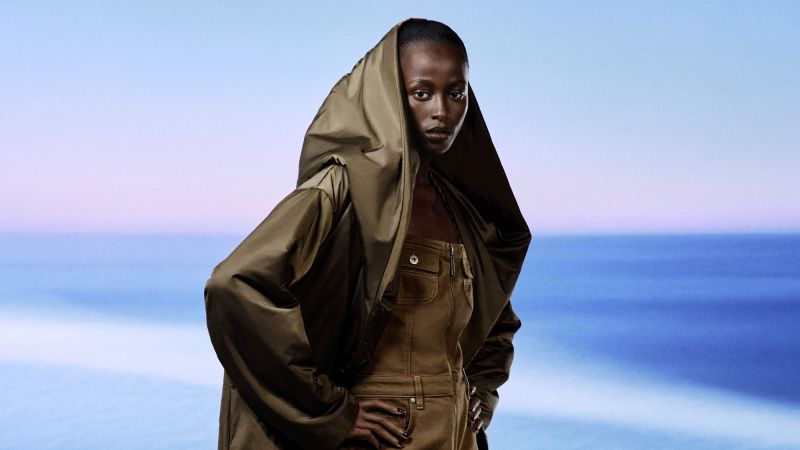
Priya Ahluwalia
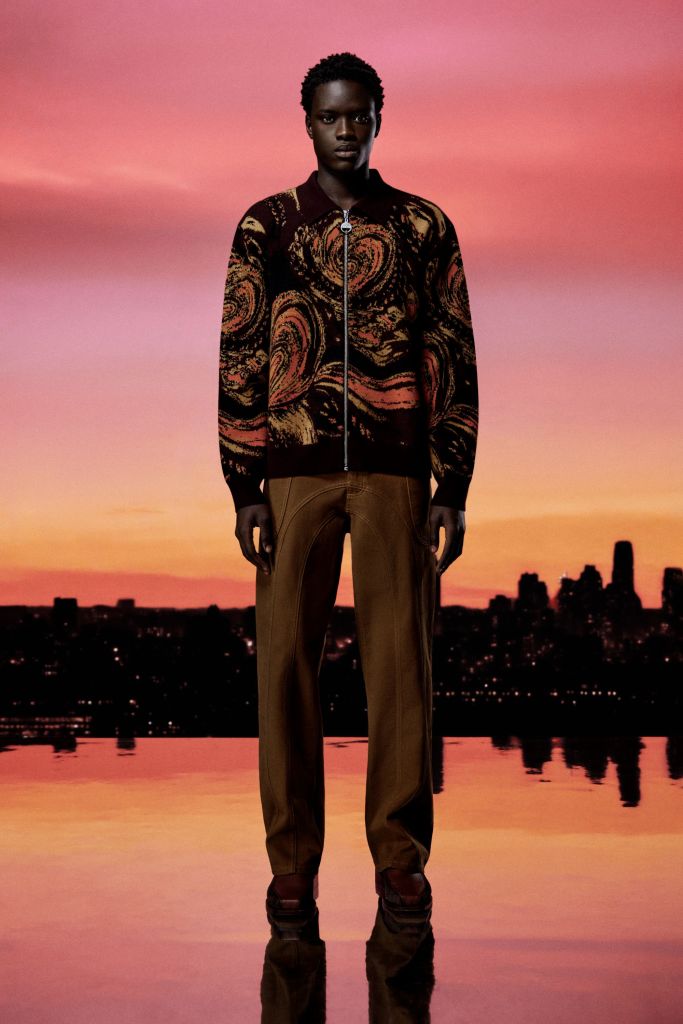
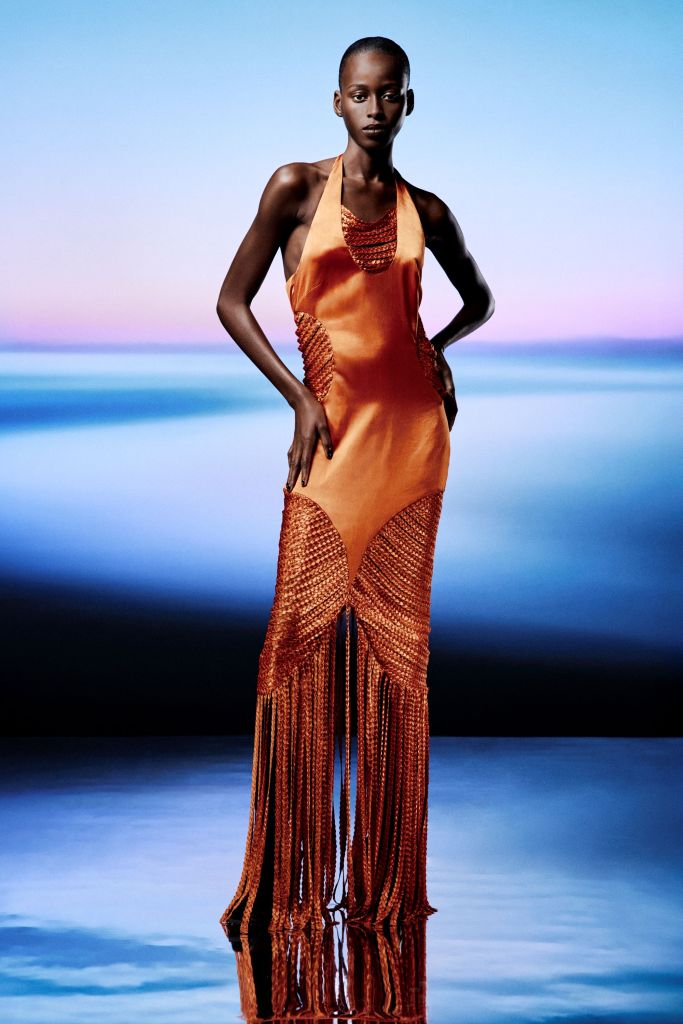
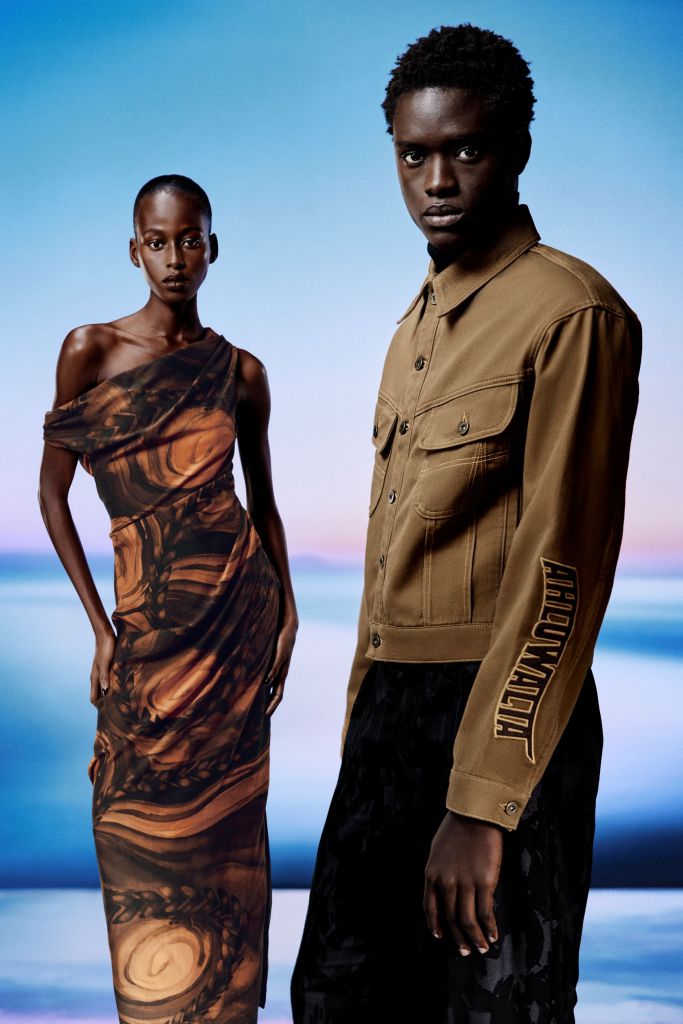
AW26 LOOK
Opinions expressed by Entrepreneur contributors are their own.
You're reading Entrepreneur United Kingdom, an international franchise of Entrepreneur Media.
Priya Ahluwalia did not set out to become an entrepreneur in the conventional sense. Her business emerged almost as quickly as the attention surrounding her work. When she presented her MA collection at the University of Westminster’s graduate fashion show during London Fashion Week in 2018, she was still immersed in the creative process of developing the ideas that had occupied her throughout her studies. Within days, however, the industry was responding. Press enquiries arrived. Projects followed. Within a week, she had secured her first stockist. “I had quite a unique start as a business owner as everything happened extremely fast,” Ahluwalia recalls. “I don’t think I had time to really reflect on turning my creative ideas into a business.” Instead, she had to learn by doing.
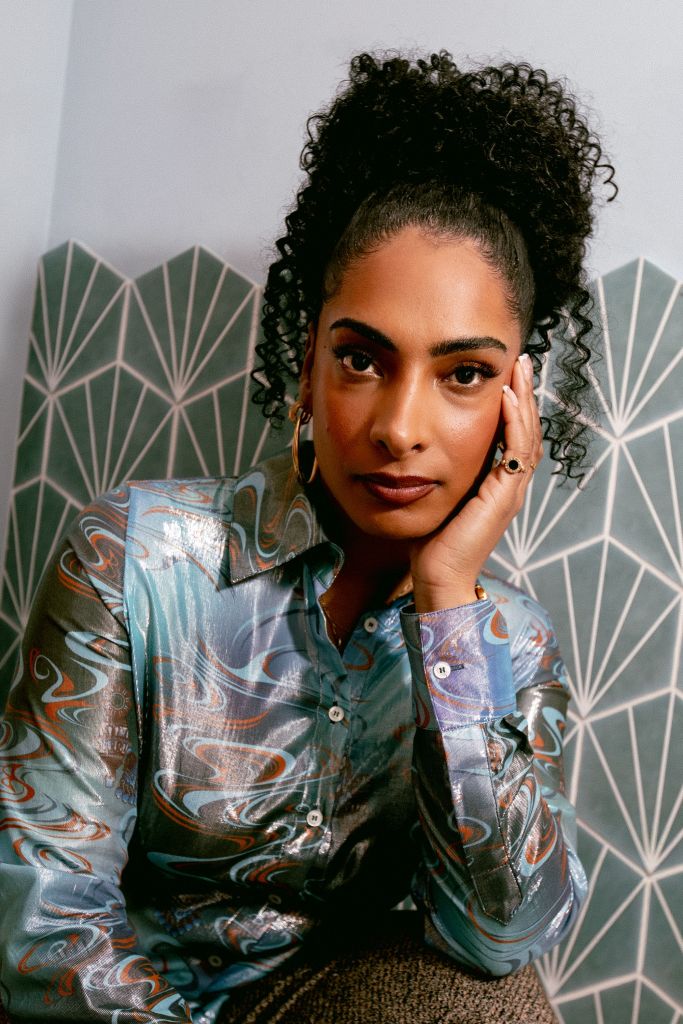
“I had to hit the ground running,” she says. “I was just so happy that people believed in the ethos I had worked on developing over the course of my MA and which I have been developing since.” That ethos has become the foundation of Ahluwalia’s creative practice: a world where fashion exists alongside film, music, photography, archival research and questions of cultural identity. Her work draws from personal history without being confined by it, creating a visual and intellectual language that feels both deeply specific and internationally resonant. For Ahluwalia, however, the personal has never meant total exposure. “I am a pretty private person,” she says. “I didn’t ever go into fashion thinking I would be ‘seen’, I had always imagined myself as a behind the scenes person, which I hold on to where I can.” That distinction is increasingly significant in an industry where the designer is often expected to become part of the product. Ahluwalia has instead maintained a degree of distance between herself and the work. “The way I make it work is by not giving everything away, not every creative decision or emotion is explained.” It is a philosophy that allows the work to retain ambiguity, while giving her room to evolve. But running a creative business inevitably introduces another set of questions. How much should the creative vision bend to the demands of production, customers and commercial growth?
For Ahluwalia, the answer is not to reject those realities but to engage with them intelligently. “Sometimes being able to surrender to the needs of the business” is part of the process, she explains. Her responsibility is to find the point where creative satisfaction and commercial practicality can coexist. “I am still learning every day but I very much enjoy this ‘problem solving’ part of my job.” That willingness to embrace the business side of creativity has become increasingly important as Ahluwalia’s practice has expanded. She does not define herself solely through fashion. Instead, she describes three interconnected roles. “I would say I have three main jobs; Designer, Creative Director and Film Director.” For Ahluwalia, those disciplines are not separate career paths. They are part of the same creative ecosystem.
“All three of those roles blend into each other and push me to consider new things,” she says. “I’m lucky to have these roles as I love doing them, but it also allows me to work with and learn from a huge range of people and clients which is invaluable.” That interdisciplinary approach also informs her understanding of what makes a creative business valuable. In an industry increasingly obsessed with individual metrics – product, brand awareness, storytelling, cultural relevance – Ahluwalia sees the strength in making all of them work together. “I think it’s a healthy balance between all of these points. I think it’s like an eco system where these things have to co-exist.” The analogy is revealing. Rather than treating creativity, brand and commerce as competing priorities, Ahluwalia views them as mutually dependent. The idea needs the product. The product needs the story. The story needs a brand capable of sustaining it. “I know personally I am drawn to some areas more than others and I sometimes have to remind myself that I have to keep pushing all cylinders.” That balance becomes particularly complex when sustainability enters the equation.
For Ahluwalia, environmental and social responsibility have never been simply a marketing position. They are embedded in the ethos of the business and therefore influence the decisions she makes. “It helps that working in positive ways for people and the planet has always been a part of my ethos, so it’s a natural factor when making decisions.” But she is equally frank about the realities facing sustainable fashion. The wider industry’s attention has shifted, and with it some of the commercial incentives that once surrounded sustainability. “We have seen a decline in interest from everyone on the topic, from press to clients and customers,” she says. The consequences go beyond communications or consumer sentiment. A decrease in demand for more responsible practices can affect the infrastructure required to support them. “That decline in interest does affect things like supply chains so it’s not a straightforward commitment but it’s one that I am still dedicated to.”
It is perhaps this combination of conviction and pragmatism that best characterises Ahluwalia’s approach to entrepreneurship. She is idealistic about what creative businesses can contribute, but realistic about the systems in which they operate. The same principle applies to cultural identity. Ahluwalia’s work has consistently drawn on histories and identities that have not always occupied the centre of mainstream fashion. Yet rather than treating cultural specificity as a limitation, she sees it as a source of creative strength. “To create things that resonate globally, you have to think globally,” she says. For her, thinking globally is not synonymous with making work generic. It means remaining genuinely curious about the world beyond your own experience.
“You have to be open to other cultures, ideas and customs and to be honest, you have to have genuine interest in them. Culture and representation has always been important to me.” In a global creative economy where audiences can encounter a designer’s work from anywhere in the world, that perspective feels particularly pertinent. Cultural specificity can become a form of international language when it is approached with depth rather than simply used as aesthetic shorthand. Technology presents another frontier for creative businesses, and Ahluwalia’s position is nuanced. She is not resistant to technological progress. She has worked with technological platforms and sees clear opportunities for innovation, particularly where it can address some of fashion’s environmental challenges. “I think there is a place in creative industries for things like reducing waste or using less water.”
What she questions is the growing assumption that technology should eventually replace the human act of creation. “Where I think things are a bit strange is the idea that technology can be an alternative to human creativity.” Her argument is ultimately about what makes culture valuable in the first place. “We are all human beings with completely unique stories and thoughts, why would we need art and culture that is created by programmes and algorithms?” She sees technology as valuable when it expands what creatives can do, rather than when it attempts to eliminate the creative human from the equation. “I of course see the benefits of it, but as a tool, not as a replacement.” And then, with characteristic clarity, she distils the argument into a single sentence: “There is nothing like art created by a human mind.”
It is a statement that could equally serve as a manifesto for Ahluwalia’s wider approach to creative entrepreneurship. At a time when fashion businesses are increasingly expected to be brands, media platforms, cultural commentators and technology companies all at once, Ahluwalia’s work suggests that the most important asset remains the thing that cannot easily be replicated: a genuinely individual point of view. Her business grew quickly, but the ambition behind it has been more considered. Fashion may have been the entry point, but the larger project is about creating a creative language capable of moving between disciplines, cultures and mediums without losing its identity. The commercial challenge, then, is not simply to sell the work. It is to build the conditions in which the work can continue to exist, evolve and matter.
For Ahluwalia, entrepreneurship is ultimately another form of creative practice: a continual process of balancing conviction with compromise, experimentation with structure, and cultural heritage with a vision of where creativity can go next.
Priya Ahluwalia did not set out to become an entrepreneur in the conventional sense. Her business emerged almost as quickly as the attention surrounding her work. When she presented her MA collection at the University of Westminster’s graduate fashion show during London Fashion Week in 2018, she was still immersed in the creative process of developing the ideas that had occupied her throughout her studies. Within days, however, the industry was responding. Press enquiries arrived. Projects followed. Within a week, she had secured her first stockist. “I had quite a unique start as a business owner as everything happened extremely fast,” Ahluwalia recalls. “I don’t think I had time to really reflect on turning my creative ideas into a business.” Instead, she had to learn by doing.
“I had to hit the ground running,” she says. “I was just so happy that people believed in the ethos I had worked on developing over the course of my MA and which I have been developing since.” That ethos has become the foundation of Ahluwalia’s creative practice: a world where fashion exists alongside film, music, photography, archival research and questions of cultural identity. Her work draws from personal history without being confined by it, creating a visual and intellectual language that feels both deeply specific and internationally resonant. For Ahluwalia, however, the personal has never meant total exposure. “I am a pretty private person,” she says. “I didn’t ever go into fashion thinking I would be ‘seen’, I had always imagined myself as a behind the scenes person, which I hold on to where I can.” That distinction is increasingly significant in an industry where the designer is often expected to become part of the product. Ahluwalia has instead maintained a degree of distance between herself and the work. “The way I make it work is by not giving everything away, not every creative decision or emotion is explained.” It is a philosophy that allows the work to retain ambiguity, while giving her room to evolve. But running a creative business inevitably introduces another set of questions. How much should the creative vision bend to the demands of production, customers and commercial growth?
For Ahluwalia, the answer is not to reject those realities but to engage with them intelligently. “Sometimes being able to surrender to the needs of the business” is part of the process, she explains. Her responsibility is to find the point where creative satisfaction and commercial practicality can coexist. “I am still learning every day but I very much enjoy this ‘problem solving’ part of my job.” That willingness to embrace the business side of creativity has become increasingly important as Ahluwalia’s practice has expanded. She does not define herself solely through fashion. Instead, she describes three interconnected roles. “I would say I have three main jobs; Designer, Creative Director and Film Director.” For Ahluwalia, those disciplines are not separate career paths. They are part of the same creative ecosystem.

Patricia Cullen • Features Writer
Entrepreneur Staff