Commercial vs purpose? That’s outdated thinking
Social purpose and commercial success can strengthen creative businesses together.
Shutterstock
Opinions expressed by Entrepreneur contributors are their own.
You're reading Entrepreneur United Kingdom, an international franchise of Entrepreneur Media.
There is still a perception that businesses have to choose between commercial success and social impact. It’s just not true. We are a film production company and a social enterprise. We work with organisations to produce high-quality films, but we also use our skills, experience and commercial work to create opportunities for people who can find themselves excluded from the creative industries.
That dual purpose has never meant compromising on the work we produce. A client commissioning a film from a social enterprise still expects creativity, professionalism and a brilliant end product. Social impact cannot be used as an excuse for delivering something second best. I actually think being purpose-led can make a creative business better at what it does. Film is about people and stories.
Working with people with different experiences and perspectives brings different voices into the industry and into the creative process. Our Production Trainee programmes are a good example. Through partnerships with organisations including Rethink Mental Illness, we have created paid opportunities for people to develop practical production and content skills. Our Suicide and Self-Harm Prevention Film Unit at HMP Wandsworth uses film to increase understanding and engagement around mental health and suicide in a prison environment. It requires exactly the same skills any commercial client expects from a production company. You have to understand an audience, communicate difficult ideas clearly, work sensitively with contributors and create something people genuinely want to watch.
More recently, we have been developing Unlocking Potential with the CIPD Trust, which uses short documentary films to share the experiences of employers and employees around hiring prison leavers. The idea is to use storytelling to challenge some of the assumptions that can prevent people with convictions from accessing employment and help employers learn from organisations already doing it. What connects projects like these is that the creative work and the social purpose are not separate activities.
The same skills that allow a production company to make a strong commercial film can be used to give people opportunities, bring overlooked experiences to a wider audience or help change perceptions. Social Enterprise UK’s latest State of Social Enterprise research found that 48% of social enterprises increased their turnover over the previous year, 12 percentage points higher than other forms of business. Half had introduced a new product or service, suggesting that social purpose can sit alongside commercial growth and innovation.
Being able to deliver excellent creative work while generating social value can therefore be a genuine point of difference. But it only works if the quality is there. Purpose might make someone interested in working with you, but it will not compensate for poor work, missed deadlines or an underwhelming end product. Creative businesses have a particular opportunity because what we make influences what people see, hear and think. When commercial success creates the means to broaden whose voices are heard and who gets to build a career in the industry, growth and social impact can reinforce each other.
There is still a perception that businesses have to choose between commercial success and social impact. It’s just not true. We are a film production company and a social enterprise. We work with organisations to produce high-quality films, but we also use our skills, experience and commercial work to create opportunities for people who can find themselves excluded from the creative industries.
That dual purpose has never meant compromising on the work we produce. A client commissioning a film from a social enterprise still expects creativity, professionalism and a brilliant end product. Social impact cannot be used as an excuse for delivering something second best. I actually think being purpose-led can make a creative business better at what it does. Film is about people and stories.
Working with people with different experiences and perspectives brings different voices into the industry and into the creative process. Our Production Trainee programmes are a good example. Through partnerships with organisations including Rethink Mental Illness, we have created paid opportunities for people to develop practical production and content skills. Our Suicide and Self-Harm Prevention Film Unit at HMP Wandsworth uses film to increase understanding and engagement around mental health and suicide in a prison environment. It requires exactly the same skills any commercial client expects from a production company. You have to understand an audience, communicate difficult ideas clearly, work sensitively with contributors and create something people genuinely want to watch.

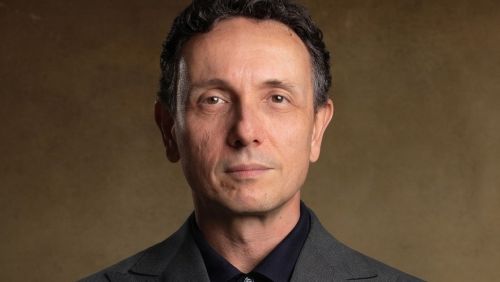
Ann Summerhayes • CEO of Inside Job Productions
Ann Summerhayes, CEO of Inside Job Productions