Every Business Owner Has a Voice
Confident founder communication builds trust, visibility, credibility and lasting business growth.

Wize Communications
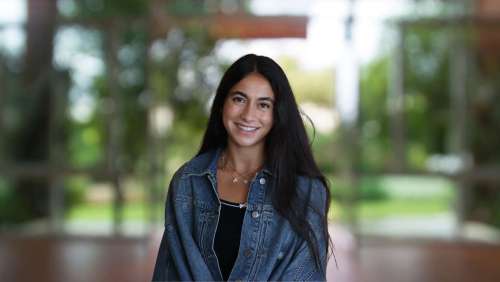
Aysha Iqbal, founder, Wize Communications
Opinions expressed by Entrepreneur contributors are their own.
You're reading Entrepreneur United Kingdom, an international franchise of Entrepreneur Media.
Every founder has a story to tell, insights to share and lessons learned through years of building a business, overcoming challenges and forging their own path. Yet many founders keep that expertise hidden. Despite carrying years of knowledge, innovation and experience, they underestimate the value of sharing it with an audience.
But when founders begin to use their voice- whether speaking at an industry event, a conference, delivering a keynote or just appearing on a podcast or media interview- they do far more than simply engage an audience. They raise their visibility, strengthen their reputation and begin building a real personal brand. Perhaps more importantly, they give people the opportunity to connect with them on a very human level, building trust and opening doors to new customers, partnerships and investors.
In recent years, I’ve met countless business owners who are beginning to recognise that their voice could be a significant business asset-and that learning to communicate it effectively can become a powerful commercial advantage. These include founders from the worlds of skin care, cyber security, interiors, art and technology, all of whom I have empowered to discover, refine and amplify their voice.
And that advantage has never mattered more than today. As artificial intelligence becomes woven into almost every aspect of business and content creation becomes increasingly automated, standing out is becoming more difficult. Facts can be generated in seconds and content produced at scale, but genuine experience, authentic perspective and human connection remains difficult to replicate.
Research supports this. An eight-year longitudinal study (published in Qualitative Market Research) discovered that founders play a central role in shaping how their businesses are recognised and differentiated. While the research examined small firms, today’s business landscape suggests the principle has become increasingly relevant across organisations of every size. As customers, investors, employees and partners seek greater transparency and authenticity, the people leading businesses are often becoming as visible as the brands themselves.
And the businesses that succeed over the next decade won’t simply be the ones creating more content. They’ll also be the ones creating more trust. And trust is still built by people. The good news is that building your presence on a public platform isn’t an innate talent reserved for a fortunate few. It’s a professional skill. Like leadership, negotiation or sales, it can be learned, developed and refined. As a communications expert and coach, here are three mistakes I see founders make time and time again that hold them back from communicating with confidence and impact.
Firstly, they focus on what they want to say rather than what their audience needs to hear. One of the biggest mistakes I see founders make is preparing presentations around everything they know instead of what their audience actually will understand. Whether you’re speaking at an industry event, delivering a keynote or appearing on a podcast, every audience is different. The most effective communicators don’t simply ask, “What do I want to say?” They ask, “Who is my audience”. Understanding your audience allows you to shape your message and speak in a way so that you are understood. When people can connect and relate to your words because you are clear about your audience they’re far more likely to listen, engage and remember what you’ve said.
Secondly, they try to say too much. Many founders feel they have to include everything they know in a presentation but this leads to information overload. Audiences don’t remember everything. They remember what was clear. The most effective presentations are built around one central message supported by a handful of memorable points delivered in an engaging style through stories, examples and compelling evidence. A clear structure with a strong opening, a logical flow and a memorable conclusion also makes it far easier for an audience to follow your thinking. The best speakers don’t overwhelm people with information. They simplify complexity, making their expertise understandable and relatable without losing credibility.
Thirdly, they underestimate the impact of how they deliver their message. Communication is about far more than the words we choose. Our voice, body language and physical presence are all communicating simultaneously and either amplifying or diminishing our words and our presence. I’ve worked with business owners who had brilliant ideas but were unintentionally reducing their impact through rushed delivery, limited vocal tones or by keeping their body language shut of or closed. Small adjustments to posture, eye contact, pace and one’s voice can transform how a speaker is perceived, helping them appear more confident, credible and authentic.
Recently I worked with an internationally acclaimed artist who had never given a TEDx Talk before or spoken on such a significant stage. Rather than decline the invitation after being invited, she accepted the opportunity. Prior to our coaching she expressed many moments of hesitation and uncertainty but with a little work on refining her message, she not only gained greater clarity but delivered a presentation that was focused, impactful and memorable. Her deeply human performance received inspiring feedback.
The founders who become recognised voices in their industry aren’t necessarily the ones who felt ready from the outset. More often than not, they’re the ones who were willing to begin before they felt completely prepared. They understand that communication, like any professional skill, is developed through practice. Every business owner already has a voice. The question is whether they’ll choose to use it.
In an age where technology can generate content but connection remains uniquely human, the founders who will make the most impact will be the ones who communicate with clarity, credibility and conviction, Because in the end, your voice isn’t simply how people hear you. It’s how they remember you
Every founder has a story to tell, insights to share and lessons learned through years of building a business, overcoming challenges and forging their own path. Yet many founders keep that expertise hidden. Despite carrying years of knowledge, innovation and experience, they underestimate the value of sharing it with an audience.
But when founders begin to use their voice- whether speaking at an industry event, a conference, delivering a keynote or just appearing on a podcast or media interview- they do far more than simply engage an audience. They raise their visibility, strengthen their reputation and begin building a real personal brand. Perhaps more importantly, they give people the opportunity to connect with them on a very human level, building trust and opening doors to new customers, partnerships and investors.
In recent years, I’ve met countless business owners who are beginning to recognise that their voice could be a significant business asset-and that learning to communicate it effectively can become a powerful commercial advantage. These include founders from the worlds of skin care, cyber security, interiors, art and technology, all of whom I have empowered to discover, refine and amplify their voice.

Aysha Iqbal • Founder of Wize Communications
Aysha Iqbal is the founder of Wize Communications and a former BBC/ITV News anchor. She... Read more