Framing Reality: Authentic Storytelling in Sports Lifestyle
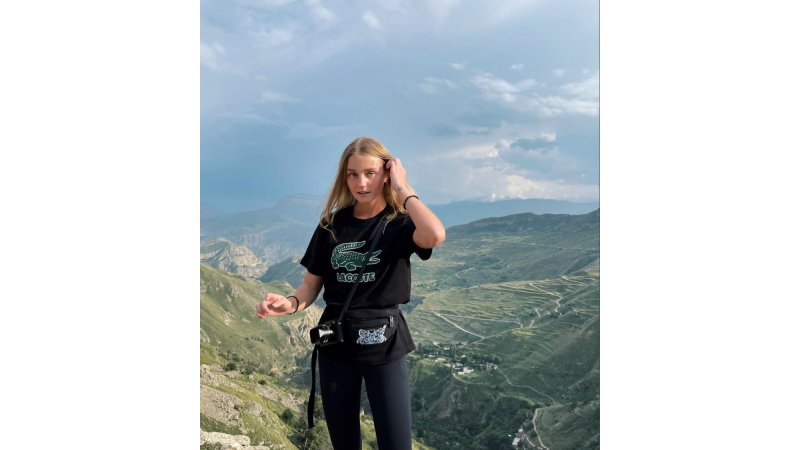
Yana Shevarkova
Opinions expressed by Entrepreneur contributors are their own.
You're reading Entrepreneur United Kingdom, an international franchise of Entrepreneur Media.
Sports stories are most impactful when they feel like someone’s actual life, compressed into a frame without being sanded down. While the public is accustomed to viewing athletes as displays or products, the best work treats athletes as real people with habits, histories, and a specific way of moving through pressure. Yana Shevarkova, a creative producer working across sports and lifestyle productions, builds campaigns with that rule in mind.
She keeps the story rooted in real experience, then shapes the creative narrative around what the subject already brings to the table. That emotional core can mark the difference between a successful campaign that resonates with people and one that feels hollow and staged.
A Visual Eye Built in Fashion
Shevarkova’s early foundation came through fashion, where small choices do a lot of the heavy lifting. Fabric, light, styling, and pacing all communicate something, even when nobody says a word. That background trained her to think visually first and make quickly readable decisions without being obvious.
Fashion also gave her an appreciation for restraint. When everything is “a moment,” nothing is. The more useful skill is choosing the few details that actually tell you what someone is.
Recognition for Grounded Storytelling
That approach has also been recognized at an industry level. At the Cannes Corporate Media & TV Awards 2025, Shevarkova was associated with two awarded projects that reflect the range of her storytelling focus.
Mujer Levántate – Woman Rise Up Foundation received Gold in the Human Rights & Activism category, recognized for its restrained yet emotionally direct portrayal of women-led advocacy without flattening lived experiences into symbolism.
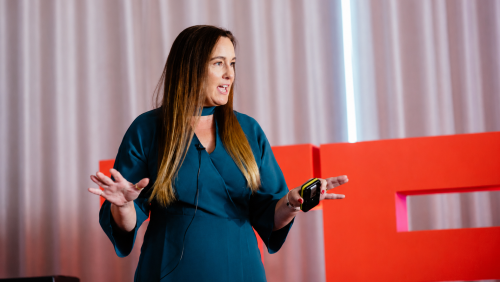
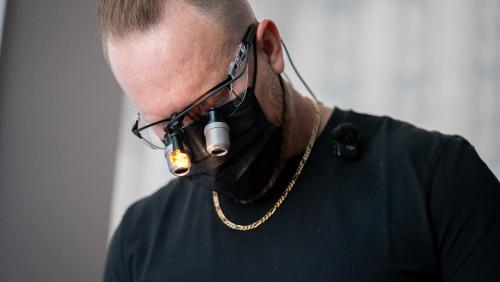
In the Health, Medicine & Life Sciences category, Heart Visionary – Magdi Yacoub: Framing Reality: Authentic Storytelling in Sports Lifestyle earned Silver, highlighting a project that balances medical legacy, human endurance, and sports-adjacent storytelling without drifting into sentimentality.
Both awards point to the same throughline that runs across her work: narratives built from what is already true, shaped with care rather than spectacle.
Documentary Discipline, Without the Lecture
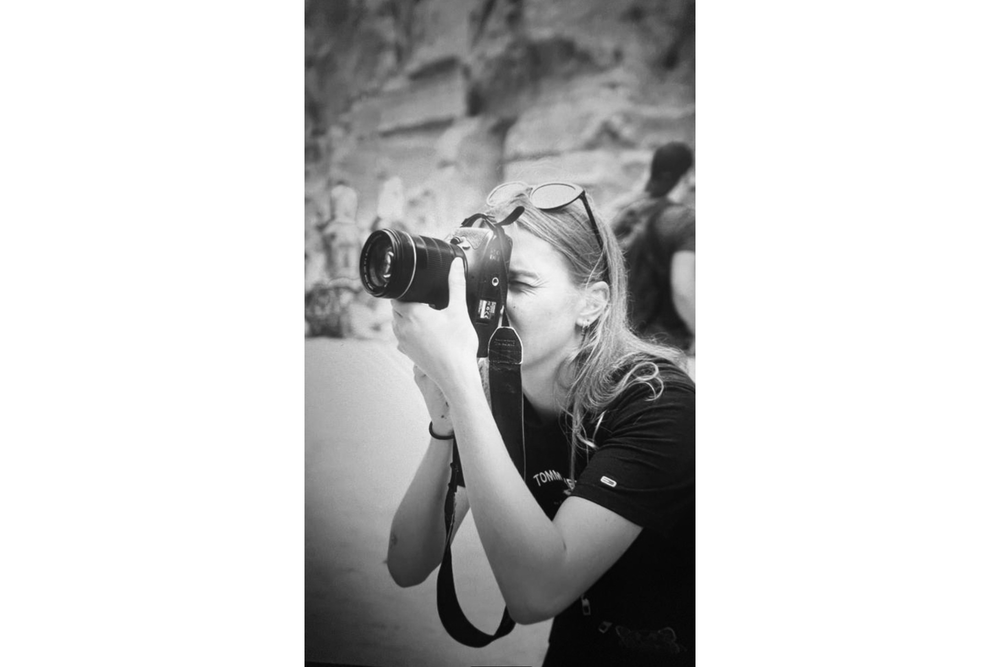
Documentary work added a different kind of structure. It taught Shevarkova how to observe closely, listen for the real story inside the planned one, and build a narrative that still respects what happened. That mindset carries over into sports and lifestyle, where access is limited and time is costly.
In her work, realism is a practical approach to curate a believable campaign, even when the visuals are polished. The story stays grounded, which keeps the audience from feeling like they’re being sold a personality.
Where Sports Becomes the Sweet Spot
Sports and lifestyle became the space where Shevarkova’s instincts clicked. The genre has facts, time, performance, and stakes built in. It also leaves room for creative authorship, as long as the choices come from the subject rather than being dropped on top of them like a costume.
Her method starts with the athlete’s lived experience. Training routines, personal interests, archive material, and off-camera behavior become the raw material. Then she shapes a creative direction that still feels like that person, just with better lighting and a tighter edit.
How Creative Constraints Can Become the Concept
Some of the strongest sports campaigns don’t begin with spectacle or narrative invention. They start with constraints, contractual limits, time pressure, or logistical reality, and treat those boundaries as creative raw material rather than obstacles.
A clear example comes from a campaign built around Grigor Dimitrov for adidas. Dimitrov was unable to appear in branded apparel due to an existing sponsorship agreement. Rather than forcing workarounds that diluted the concept, the creative solution leaned directly into the restriction. The treatment was structured around Dimitrov in a tuxedo—formal, controlled, and intentionally removed from the expected tennis visual language.
The result reframed the athlete not through gear or action, but through posture, restraint, and presence. By embracing what couldn’t be shown, the campaign found a visual identity that felt elevated rather than compromised.
A different kind of limitation shaped a campaign featuring Cristiano Ronaldo. The brief called for a shoot inside a stadium locker room, but Ronaldo’s availability was limited to roughly ten minutes, with no time allocated for travel to the stadium itself. Instead of scaling back the idea, the production inverted the problem. A full locker-room environment was constructed inside the hotel where he was staying, allowing the team to meet the brief without sacrificing execution.
The solution didn’t attempt to disguise the constraint; it respected the reality of the situation and solved for it precisely. The finished piece retained the intended intimacy and authority of a locker-room setting, while operating entirely within the limits of time and access.
Across both examples, the creative direction doesn’t rely on invention for its own sake. It responds to what is already true, contracts, schedules, and physical location, and builds the concept outward from those facts. The work feels intentional because it is shaped by reality rather than fighting against it.
This approach runs through multiple projects in the portfolio: ideas rooted in limitation, executed with restraint, and elevated through clarity of intention. When constraints are treated as structure instead of compromise, they often become the reason the work holds together.
The Producer Role People Forget About
That approach has also been recognized at an industry level—and in direct connection with the brands behind the work. At the Cannes Corporate Media & TV Awards 2025, Yana Shevarkova was associated with two awarded projects that reflect the range and restraint of her storytelling focus.
Mujer Levántate – Woman Rise Up Foundation, created for the Woman Rise Up Foundation, received Gold in the Human Rights & Activism category, recognized for its emotionally direct yet unsensational portrayal of women-led advocacy, allowing lived experience to remain specific rather than symbolic.
In the Health, Medicine & Life Sciences category, Heart Visionary Magdi Yacoub: Framing Reality: Authentic Storytelling in Sports Lifestyle, developed in collaboration with the Aswan Heart Centre, earned Silver. The project was noted for balancing medical legacy, human endurance, and sports-adjacent storytelling without drifting into sentimentality.
Together, the awards point to the same throughline that runs across her portfolio: narratives built from what is already true, shaped with precision rather than spectacle.
When people refer to her as a creative producer, they’re not talking about deck approvals. They’re pointing to her role in shaping and delivering campaigns for brands including Adidas, BVLGARI, Estée Lauder, and Mandarin Oriental, work that sits at the intersection of concept, execution, and narrative discipline.
Her process begins with assembling the right team for each brief, then keeping every collaborator aligned around a shared story objective. The goal isn’t to impose a fixed workflow, but to ensure each decision, creative or logistical, serves the narrative rather than default habits.
That’s where her background comes into play. A fashion-trained eye helps identify what will translate on camera. A documentary sensibility picks up when something feels off or overly staged. A sports production mindset accepts that conditions will change on the day, while the story still has to hold together.
Longer Stories, With Room to Breathe
Shevarkova is especially interested in longer-format projects, where documentary instincts have more space to do their job. Short work can still carry feeling, even if it rewards brevity. Longer pieces can hold complexity without rushing to a slogan.
Her core idea stays consistent across formats: the strongest sports storytelling remains intact. When an athlete comes across as human, the work doesn’t need to invent weight. The emotion is already there, waiting to be framed correctly.
Sports stories are most impactful when they feel like someone’s actual life, compressed into a frame without being sanded down. While the public is accustomed to viewing athletes as displays or products, the best work treats athletes as real people with habits, histories, and a specific way of moving through pressure. Yana Shevarkova, a creative producer working across sports and lifestyle productions, builds campaigns with that rule in mind.
She keeps the story rooted in real experience, then shapes the creative narrative around what the subject already brings to the table. That emotional core can mark the difference between a successful campaign that resonates with people and one that feels hollow and staged.
A Visual Eye Built in Fashion