Nobody Told Us About Franchising – and That’s Costing a Generation
Why franchising could offer young people safer routes into entrepreneurship.
bfa
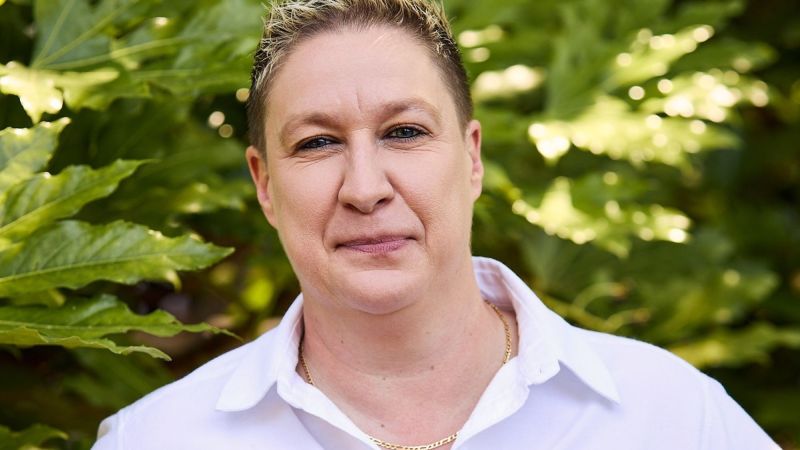
Pip Wilkins, CEO, BFA, British Franchise Association
Opinions expressed by Entrepreneur contributors are their own.
You're reading Entrepreneur United Kingdom, an international franchise of Entrepreneur Media.
It’s an indisputable fact that the age young people are going into business is getting younger and younger.
The Good
Some lucky teens are earning fortunes as influencers as soon as they master the art of holding a phone and for some that will set them up for life, but for the majority they are still going to need a regular form of income after they leave school, so, what should they do? Go to university? Get a job? Start their own business? Or something else?
The Bad
For those who choose uni, they are looking at graduating with approximately £47,900 of student debt and for those who decide to start their own business, according to Experian analysis of UK company data, that could be a disastrous choice as 50% of all start-ups will fail within three years.
The Ugly
Then there’s the ones who won’t get jobs at all. The youth unemployment rate currently sits at 16.2% for ages 16 – 24 , the highest it has been for over a decade and most worryingly, the number of young people not in Employment, Education or Training (NEET) has hit over a million people for the first time since 2013.
The solution
But the good news is, there is a safer way for young people to be successfully self-employed, but it remains one of the UK’s most untold and misunderstood success stories.
Business format franchising
Put in its simplest terms, franchising is when a person buys the rights to run a branch of a national business in their local area; but rather than simply being a manager, they physically own the business. Yes, they have to follow a proven model on how to run it, but how successful it is, how they interact with their customers, how they build their position in their local community, how large they build it, is all entirely up to them. In return they are taught everything they need to know to run the business, from marketing and accounts to sales and employing staff. In the majority of franchises, no experience in the field is necessary, age is not a barrier and financial help is often available.
Low failure rate
One of the best, yet least talked about aspects of franchising is that, according to our most recent survey in October 2024, sponsored by NIC Local, franchise businesses have a less than 6% commercial failure rate and have done for over 20 years a figure that is unheard of in other business sectors.
Getting on the radar
So how do we get franchising on these entrepreneurial young people’s radars, so they know there are other options other than becoming an influencer, going to university or simply ‘getting a job.’ We believe it starts at school.
Member poll
In June 2026 we asked our members ‘Should franchising be taught as part of formal education?’ 120 people responded and of those who did, 98.5% of them said yes, they thought it should be taught in either school, college/university or both.
Lack of knowledge
Heather Alexander, a franchisee business partner of Swimtime in Edinburgh admitted; “I was 45 before I understood franchising, as no one had explained it to me. If I had known earlier, I would have gone into franchising instead of doing the job I was in. I get more satisfaction, and I can work around my day to suit my life.”
No career path
Georgia Pennington, a franchisee with domiciliary care company Home Instead agrees, saying: “I left school at 16 and joined the British Army because I wasn’t sure what career path I wanted to pursue. Providing young people with the chance to learn about running their own business, franchising, and alternative career paths, would give them a broader range of options and help them make more informed decisions about their future.”
No business background
“To be honest I had no idea about franchising until I bought my own,” said Manjula Halai owner of a Mini First Aid franchise in Southport, Wigan and Leigh. She continued: “I am not from a business background at all. However, touching on the subject at college would have been beneficial.”
The degree gap
Even doing a business-related degree at university isn’t a guarantee of learning about franchising. Jessica Bonnard founder of the Language for Fun franchise admitted: “My degree in marketing from Lancaster University was a great experience but left me ill-equipped to work in, let alone run, an SME. If I had known about different options, I’m sure I would’ve been attracted to the idea of franchising at that point.”
Lack of recognition
Many who work in the industry are also unhappy at the level of exposure franchising gets in the UK, despite making a significant contribution to the UK economy. Jo Styles, CCO at SmartPA said: “Franchising contributes £19.1 billion to the UK economy and employs hundreds of thousands of people, yet it gets minimal mention in most business courses. Closing that gap in education could open doors for a generation of entrepreneurs, who want the security of a proven model alongside the ambition of running their own business.”
A parent’s view
Kate Dilworth, associate director of network development at the Right at Home franchise echoed the view of many parents who work in the industry: “Franchising is a fantastic springboard for driven young people with business ambition. Raising the required investment is often cited as a barrier, but joining an established brand and following a proven model should encourage confidence in potential investors. Personally, I’d rather support my child to raise the finance to grow their own business than see them encumbered with university debts that carry no guarantee of a job after graduation.”
Putting it into action
In response to the poll and the many comments left, the BFA are developing a resource pack for members to deliver lessons about franchising in their local schools, colleges and universities. The pack will include lesson plans, video testimonials and fact sheets, developed by the BFA, to help put franchising on younger people’s radars at a crucial time. CEO of the BFA Pip Wilkins QFP said: “We know franchising isn’t a sexy subject, but for young people these days, making money definitely is. We’re not expecting them all to rush out and buy a franchise when they leave school, but we’d like them to at least know franchising exists, to be introduced to the concept and to understand that safer, supported self-employment is an option for them as they consider their career options.”
It’s an indisputable fact that the age young people are going into business is getting younger and younger.
The Good
Some lucky teens are earning fortunes as influencers as soon as they master the art of holding a phone and for some that will set them up for life, but for the majority they are still going to need a regular form of income after they leave school, so, what should they do? Go to university? Get a job? Start their own business? Or something else?
The Bad
For those who choose uni, they are looking at graduating with approximately £47,900 of student debt and for those who decide to start their own business, according to Experian analysis of UK company data, that could be a disastrous choice as 50% of all start-ups will fail within three years.

Pip Wilkins • Chief Executive of the British Franchise Association
Pip Wilkins is the Chief Executive of the British Franchise Association (BFA), bringing over 25... Read more