Why Franchising Remains the UK’s Most Underrated Business Model
UK franchise myths challenged as facts reveal a thriving business sector.

Shutterstock
Opinions expressed by Entrepreneur contributors are their own.
You're reading Entrepreneur United Kingdom, an international franchise of Entrepreneur Media.
Industries often come with associated myths. For instance, it’s fair to say the general public probably thinks modelling is glamorous – but they fail to see the long days and constant rejection, or that farming is about an idyllic rural lifestyle – whilst not seeing the brutal hours, weather dependency and wafer thin margins. So, it’s not altogether surprising that the UK franchise industry has a few myths and misconceptions of its own.
The facts
The facts are simple: according to the 2024 British Franchise Survey, the UK franchising sector contributes £19.1bn to the UK economy, via 1,000+ different brands.
Franchisee profitability
Franchisees are successful. The average turnover of a franchise is £400,000 a year and 89% are profitable.
Low failure rate
The franchise industry has an enviable less than 6% commercial failure rate, a figure it has maintained for over 20 years.
Historical data
So not only is franchising successful, but it has been for over two decades, which makes us ask the question: why does franchising remain one of the most overlooked and misunderstood sectors in the UK economy?
Recent data
To tackle the subject, in May 2026 we polled our members, asking them: ‘What do you consider to be the most common misconception in franchising?’ The replies were:
- ‘It’s not a local business’ – 43%
- “You need serious money to buy a franchise” – 41%
- “Once you purchase a franchise you can’t sell it” – 16%
All of course, completely untrue.
Myth # 1 – “It’s not a local business”
The issue of whether a franchise is a local business or not, is one that has plagued the industry for many years. Rhianna Clavering from domiciliary home care franchise Caremark Ltd attempts to explain: “When someone buys a franchise, yes, the model gives them the structure, brand, systems and support of an established organisation, but the day to day business is still built locally, by people who understand their area and want to make a positive difference there. They employ local teams and build local relationships, while benefiting from the backing of a national care brand.”
It is often this lack of recognition of services and employment opportunities that rankles the most with franchisors, leaving them wondering how on earth anyone could get it so wrong. It’s often said that if all the franchise businesses in a town stopped working one day – people would soon understand how local these businesses really are. Drains would not be cleaned, dogs wouldn’t be walked, children wouldn’t learn to swim, businesses wouldn’t receive coaching, accounts wouldn’t be done and probably most importantly, a lot of people would go hungry at lunch time.
Pip Wilkins, CEO of the BFA added “It is also important to recognise the vital role franchisees play in their local communities. From hosting memory cafés for people living with dementia and sponsoring grassroots football teams, to fundraising for local charities and supporting schools and community groups. Franchisees are often deeply embedded in the areas they serve. Many give their time and resources to local events, provide apprenticeships and work experience placements, back regional sports clubs, and support vulnerable members of their communities through charitable initiatives. As local business owners, franchisees are not only driving economic growth but also making a meaningful social impact in towns and cities across the UK”.
Myth #2 – You need serious money
With 41% of respondents saying that one of the biggest misconceptions in franchising is the entry costs, it’s obviously a myth that needs tackling. Amrit Dhaliwal, founder and CEO of Walfinch domiciliary care franchise took on the big subject: “The idea that franchising is super-expensive is a myth. Franchise investments range from under £10,000 to six-figure sums, so franchises are highly accessible. But there is no franchise as expensive as one that fails. What matters is not just the headline cost, but the whole investment package — your investment should cover not only initial start-up help, but also ongoing support to grow your business.”
Tracey Cockerton, head of franchise sales and development at franchisor Metro Rod explained that far from cash, a franchisee needs to come armed with something money can’t buy: “You don’t need to be wealthy to be a franchisee; you need to be credible. What matters is your mindset, work ethic and your ability to grow the business.”
Myth #3 – You can’t sell a franchise
As myths go, this third one has the entire industry scratching their heads because nothing could be further from the truth. Indeed, one of the first questions many franchisors ask a prospective franchisee when they join, is what their exit plan is; do they want to keep the business until retirement or are they looking to build something big and sell it on within a few years, as each will require different growth strategies. Exit isn’t a dirty word in franchising; it’s an important word.
Ginny Murphy, CEO, of The Wheel Specialist, explains the reality, vs the myth: “In reality, a well-structured franchise system should provide a clear and supported resale process. Good franchisors actively help facilitate successful resales because a strong, sustainable network benefits everyone involved. Franchising is about partnership, not restriction.”
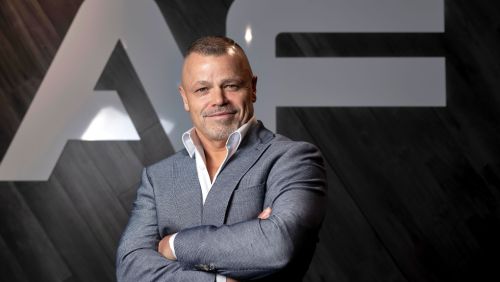
“Myths and misconceptions about businesses will always remain” said CEO of the BFA Pip Wilkins, “but the truth is, if you want to own your own business, but you are not quite sure how to go about it, then franchising could be for you. We meet thousands of franchisees who are running hugely successful businesses, from man in a van enterprises to multi-unit, multi-site operations employing hundreds of people. If supported self-employment sounds interesting, then there’s definitely a franchise out there for you.”
Industries often come with associated myths. For instance, it’s fair to say the general public probably thinks modelling is glamorous – but they fail to see the long days and constant rejection, or that farming is about an idyllic rural lifestyle – whilst not seeing the brutal hours, weather dependency and wafer thin margins. So, it’s not altogether surprising that the UK franchise industry has a few myths and misconceptions of its own.
The facts
The facts are simple: according to the 2024 British Franchise Survey, the UK franchising sector contributes £19.1bn to the UK economy, via 1,000+ different brands.
Franchisee profitability
Franchisees are successful. The average turnover of a franchise is £400,000 a year and 89% are profitable.