Profit Is Oxygen for Hospitality’s Survival
Tom Kerridge warns Britain’s hospitality industry is running out of breathing room.
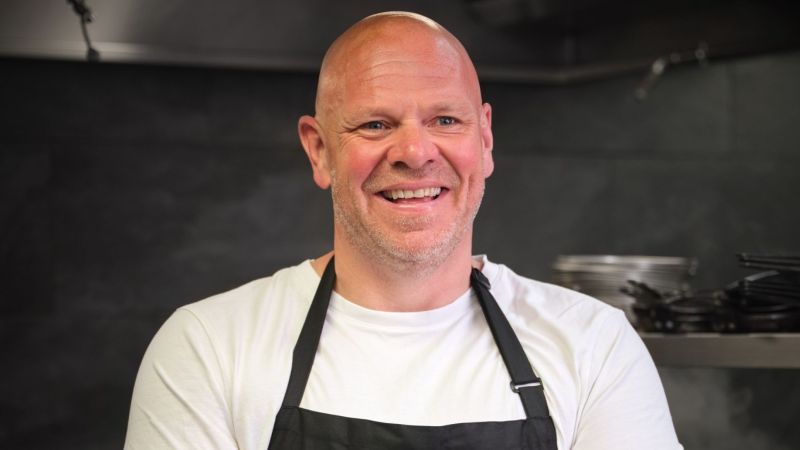
Tom Kerridge
Championing the future of British hospitality.
Opinions expressed by Entrepreneur contributors are their own.
You're reading Entrepreneur United Kingdom, an international franchise of Entrepreneur Media.
The Michelin-starred chef Tom Kerridge says Britain’s hospitality sector is fighting for survival. Behind the busy dining rooms and smiling staff, he argues, an entire industry is running out of breath. There is a particular contradiction at the heart of British hospitality in 2026. Walk into a busy pub on a Friday evening and everything appears reassuringly intact. Glasses clink. Tables are full. Kitchen doors swing open and shut. Families gather around Sunday roasts. Friends share pints after work. The rituals remain familiar, comforting even. Yet, Kerridge says, many of those businesses are struggling to survive. “Even places that are busy,” he says, “they may look vibrant, but they’re not making any money. They’re not making a profit. And if they are, it’s very, very small.”
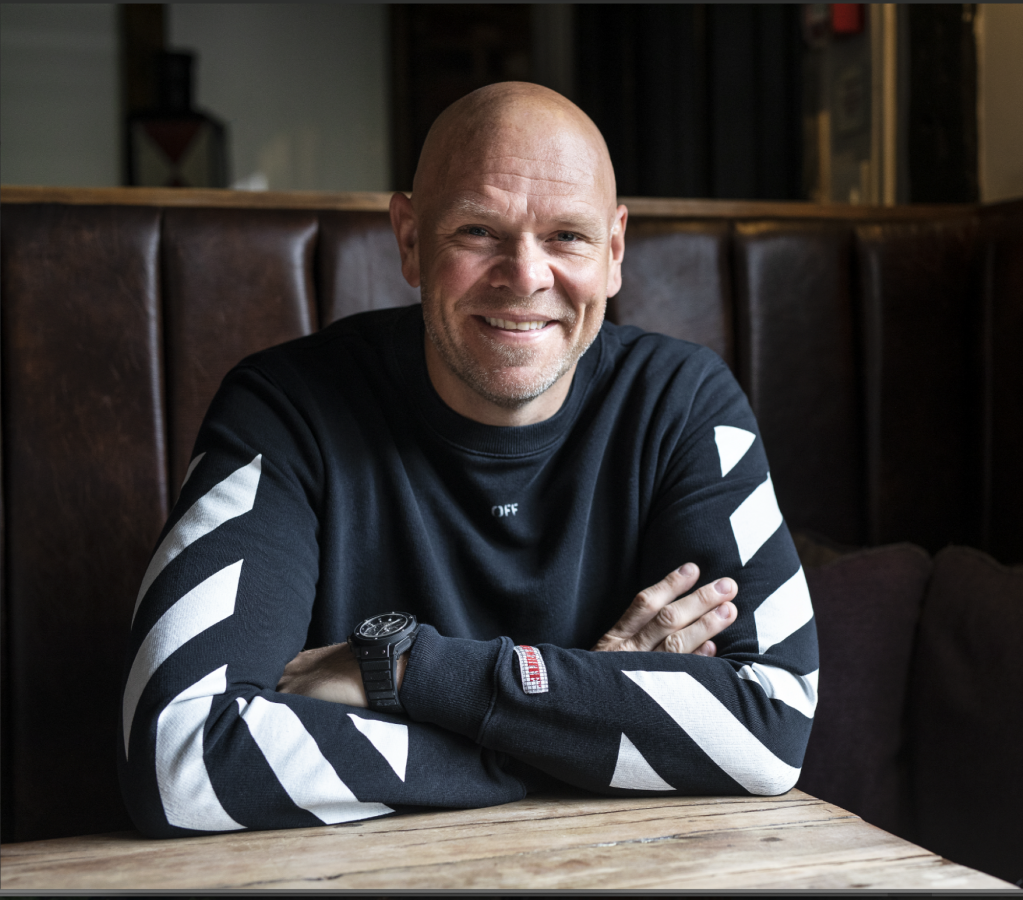
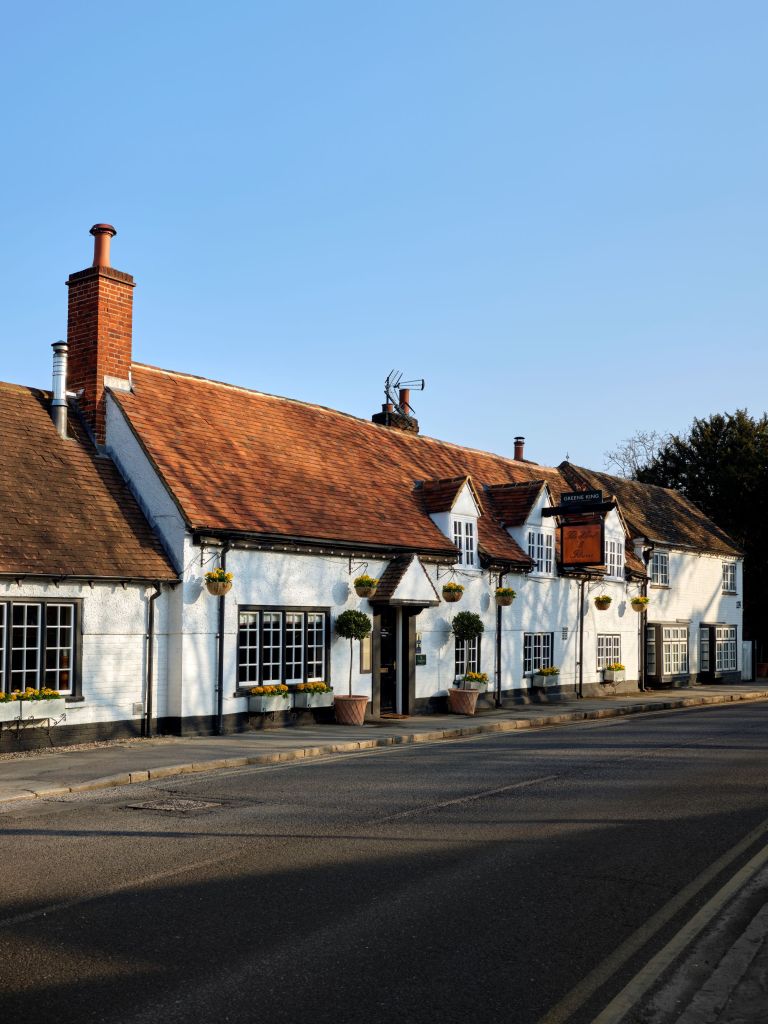
Kerridge has spent much of the past two decades becoming one of Britain’s most recognisable culinary figures. The chef behind the two-Michelin-starred The Hand & Flowers helped redefine the British pub, transforming what was once considered ordinary pub food into something worthy of international acclaim. Alongside television appearances and bestselling books, he has become one of hospitality’s most prominent public voices. Now, however, he finds himself talking less about cooking and more about economics, including his backing of the #VATsTheProblem campaign, which calls for a cut in VAT for the hospitality sector.
“The biggest issues that are facing hospitality,” he says, “are the back-end costs that are absolutely dropping in.” It is a phrase he returns to repeatedly: back-end costs. The invisible pressures that customers rarely see but which increasingly determine whether a business lives or dies. Energy bills. Food inflation. Utilities. National insurance increases. Business rates. Rising wage costs. Individually, each might be manageable. Together, Kerridge argues, they have created a perfect storm. During the pandemic, he says, there was at least a sense that Governments understood the scale of the crisis. “It was horrific and nobody really knew what was going on,” he recalls, “but it felt that there was some form of scaffolding around there.” That support structure has now disappeared.
The challenge facing hospitality today is less dramatic than lockdown but, in some ways, more insidious. Businesses are open, customers are returning, yet margins are evaporating. The consequences, Kerridge argues, are already visible. “It becomes a race to the bottom,” he says. “Everybody de-skills. You’re losing staff. You’re not re-employing. You’re looking for easier options.” What is lost in that process is not merely profit but innovation. “One of the most creative, exciting and brilliant industries that there is,” he says, “is having the life sucked out of it.” The numbers are stark. “We’ve got 21 businesses shutting every single week.” Those closures span the entire sector. Independent cafés. Neighbourhood restaurants. Local pubs. Michelin-starred dining rooms. Country hotels. City-centre conference venues. The pressures, Kerridge insists, do not discriminate. “It doesn’t matter if it’s a local café, a neighbourhood restaurant, your local pub around the corner that you love going to two or three times a week, or whether it’s a special-occasion Michelin-star restaurant. All of those costs are affecting every single hospitality business.”
The crisis, in his view, is not confined to hospitality. It reaches into communities themselves. Restaurants and pubs are often discussed as leisure destinations. Kerridge sees them differently. “They’re intrinsic in the way that people talk to each other,” he says. The teenager working shifts behind the bar is somebody’s son or daughter. The café owner sponsors the local football team. The pub hosts community groups. The restaurant buys from local suppliers. Hospitality, he argues, forms part of the social infrastructure of modern Britain. When venues disappear, communities lose more than places to eat and drink. “They help make our communities happier, more connected and far more vibrant places to live.”
At the centre of Kerridge’s campaigning is one demand: a reduction in VAT for hospitality from 20% to 10%. Cue the #VATsTheProblem movement. The campaign, backed by trade organisations, restaurateurs, brewers and operators across the industry, argues that Britain’s hospitality VAT rate places businesses at a competitive disadvantage compared with many European neighbours. Many European countries use reduced VAT rates, including Ireland’s 9% rate on much of its hospitality sector. “First and foremost,” Kerridge says, “the biggest thing that affects hospitality in this country compared to anywhere else in Europe is the VAT rate.” The objective is not simply survival. A VAT reduction, he argues, would create breathing room. “It would stop closures.” Then comes a phrase that may become one of the defining lines of Britain’s hospitality debate. “Profit is oxygen.” For him, it is less a slogan than a practical truth. “Profit is oxygen. Oxygen breathes lifeblood into business. It’s about growth.”
This is not, he insists, about wealthy owners extracting more money from struggling communities. Rather, it is about allowing businesses to invest. “Businesses that are losing money are not going to spend extra money on training somebody.” That has implications far beyond restaurant kitchens. Hospitality remains one of Britain’s largest employers of young people. It provides first jobs, career paths and opportunities for those who might not follow traditional academic routes.Without room for businesses to grow, those opportunities begin to disappear. “There is no growth prospect,” Kerridge says. “It’s stagnant or moving backwards.”
His frustration increasingly appears directed not at political ideology but at what he sees as a failure of economic understanding. A long-time supporter of Labour, Kerridge speaks positively about public services, workers’ rights and social mobility. “I believe in the minimum wage,” he says. “I believe that people should have those opportunities.” Yet he also believes parts of government fail to understand how businesses actually operate. What particularly concerns him is the difference between theoretical economics and practical experience. He reaches for a metaphor from restaurant life. When you’re running a business yourself, you understand its pulse in a way numbers alone never can. Spreadsheets matter. But they are not the whole story. “If your accountant runs your business,” he says, “there is no growth, there is no prosperity.”
Underlying his argument is a belief that policymakers need a clearer understanding of how businesses operate on the ground. Business, he argues, requires confidence, investment and a degree of certainty. “There needs to be trust in industry experts.” Across the UK, meanwhile, thousands of operators are engaged in quiet daily negotiations simply to stay afloat. The conversations rarely make headlines. Owners negotiating with suppliers. Requests for extra payment time. Promises to settle invoices next week. “They’re having conversations with their supply chain every single day,” Kerridge says.
What strikes him most is the loyalty that often exists throughout the sector. Hospitality operators frequently prioritise paying local suppliers ahead of government liabilities. They’ll prioritise paying the butcher, the fishmonger and the greengrocer ahead of other obligations, often juggling who gets paid and when just to keep things moving. The result, he argues, is a vicious cycle. Businesses collapse. Tax revenues disappear. Communities lose amenities. The Government collects less, not more. “You’ve got to see the bigger picture of this.” Yet for all the economic analysis, Kerridge remains at heart a chef. When asked what practical difference a VAT reduction would make, he immediately turns not to balance sheets but atmosphere. “First and foremost,” he says, “you’ll stop listening to the pub landlord moaning about how hard it is.” A healthier industry creates happier workplaces. Happier workplaces create better experiences. People become more creative. Businesses take risks. The food improves.
The hospitality sector, after all, has undergone one of the most remarkable cultural transformations in modern Britain. Thirty-five years ago, British food was frequently mocked internationally. Today, the country is home to one of the world’s most dynamic dining scenes. “Now we’re one of the most eclectic and valued spaces in the food scene globally,” he adds. That transformation did not happen by accident. It emerged through experimentation, investment and generations of chefs pushing boundaries. Kerridge worries that momentum is now at risk. “We have been able to grow and adapt because we’ve had that breathing space.” Without it, innovation slows. Creativity contracts. Risk-taking disappears.
If there is one area where Kerridge sounds unexpectedly optimistic, it is technology. Artificial intelligence, he believes, will reshape many professions. Hospitality, however, occupies a uniquely protected position. “We are very fortunate,” he says. Unlike industries centred around information processing, restaurants remain grounded in sensory experience. AI may streamline ordering systems, inventory management and administration. What it cannot replicate is flavour. Or seasonality. Or human connection. Kerridge speaks enthusiastically about vineyard visits, conversations with growers and the subtle ways weather alters ingredients. “AI is not affecting Mother Nature.” A carrot grown during a wet summer tastes different from one grown in a dry season. A wine reflects rainfall, sunshine and soil. These variables cannot be automated away. Nor can hospitality’s most fundamental interaction. “When someone comes through the door, somebody makes eye contact and says hello.” That moment matters. “That sense of connection cannot be taken away by AI.” At a time when many industries fear technological disruption, hospitality’s greatest strengths remain stubbornly human. “We are all about interaction, Mother Nature and human connection.”
Ultimately, what distinguishes businesses that continue to thrive despite the pressures? His answer is surprisingly simple. Reliability. Not gimmicks. Not viral social media campaigns. Not celebrity endorsements. “The success of those businesses is belief in themselves and consistency.” He cites everyone from burger operators to three-Michelin-starred chefs. The common thread is clarity of purpose. “They go, ‘This is what we do, and we’re going to do it really well.’” Value matters too. A memorable meal at a world-class restaurant can represent value. So can a perfectly executed burger. What customers remember is authenticity. Craft. Commitment. Consistency.
And perhaps those same principles underpin Kerridge’s message to the Government. His argument is not especially radical. Hospitality is asking not for special treatment but for the conditions necessary to survive, invest and grow. Without intervention, he fears the industry will continue shrinking. With support, he believes it can once again become a driver of jobs, culture and regeneration. When urban planners imagine revitalised town centres, he notes, their drawings always contain the same elements. Cafés. Bars. Restaurants. Pedestrianised streets. People gathering together. “Nobody’s investing in that,” he says, “if you’re going to lose money.”
The challenge facing policymakers is whether they view hospitality as a luxury sector or as essential civic infrastructure. For Kerridge, the answer is obvious. Hospitality is not simply where we eat and drink. It is where communities meet, where young people work, where creativity flourishes and where towns find their identity. The industry’s future, he argues, depends on whether the Government recognises that reality before more businesses disappear. And so he returns to the phrase that has become both a warning and rallying cry. “Profit is oxygen.” The question facing Britain’s hospitality sector is how much air remains in the room.
To find out more visit: https://www.vatstheproblem.co.uk/
The Michelin-starred chef Tom Kerridge says Britain’s hospitality sector is fighting for survival. Behind the busy dining rooms and smiling staff, he argues, an entire industry is running out of breath. There is a particular contradiction at the heart of British hospitality in 2026. Walk into a busy pub on a Friday evening and everything appears reassuringly intact. Glasses clink. Tables are full. Kitchen doors swing open and shut. Families gather around Sunday roasts. Friends share pints after work. The rituals remain familiar, comforting even. Yet, Kerridge says, many of those businesses are struggling to survive. “Even places that are busy,” he says, “they may look vibrant, but they’re not making any money. They’re not making a profit. And if they are, it’s very, very small.”
Kerridge has spent much of the past two decades becoming one of Britain’s most recognisable culinary figures. The chef behind the two-Michelin-starred The Hand & Flowers helped redefine the British pub, transforming what was once considered ordinary pub food into something worthy of international acclaim. Alongside television appearances and bestselling books, he has become one of hospitality’s most prominent public voices. Now, however, he finds himself talking less about cooking and more about economics, including his backing of the #VATsTheProblem campaign, which calls for a cut in VAT for the hospitality sector.
“The biggest issues that are facing hospitality,” he says, “are the back-end costs that are absolutely dropping in.” It is a phrase he returns to repeatedly: back-end costs. The invisible pressures that customers rarely see but which increasingly determine whether a business lives or dies. Energy bills. Food inflation. Utilities. National insurance increases. Business rates. Rising wage costs. Individually, each might be manageable. Together, Kerridge argues, they have created a perfect storm. During the pandemic, he says, there was at least a sense that Governments understood the scale of the crisis. “It was horrific and nobody really knew what was going on,” he recalls, “but it felt that there was some form of scaffolding around there.” That support structure has now disappeared.

Patricia Cullen • Features Writer
Entrepreneur Staff