How to Build a Loyal Online Community That Keeps Coming Back
How The Shade Borough turned an audience into a powerful community.
Shutterstock
Opinions expressed by Entrepreneur contributors are their own.
You're reading Entrepreneur United Kingdom, an international franchise of Entrepreneur Media.
Most people talk about growing an audience. We have spent nearly ten years building something different and the gap between the two is a lot bigger than most people realise.
When we started The Shade Borough in 2016 the UK had no singular platform that brought everything together. The music, the culture, the everyday person with a hot take, the business owner doing something incredible in their field, everything under one roof. Nothing like it existed here. What was available leaned heavily towards music and mainstream media at the time would not give you the time of day unless you had already made it big. That is why we created TSB. Our perspective is rooted in a Black British experience and that dictates how we see and cover the world, but the platform was always meant for anyone who felt disregarded by UK media. We built it from scratch, without funding, investors or outside support and today we have over a million followers. The number I am most proud of though is not the follower count. It is that 45% of our content is submitted by our audience. Every single day people come to us with cover this, you need to see this, get this out. That does not happen by accident. It stems from the choices we made from the outset about how we treated those who showed up for us.
The first thing we did, and it might sound small but it is far from it, was stop calling our followers followers. We called them Residents. If you are on The Shade Borough you are a resident of the borough. That is your identity, that is your belonging. To this day people refer to themselves as Residents. They sign off their DMs as Residents. They introduce themselves as Residents at events without us ever prompting it. That is not something we crafted, it took root because we were intentional about it from the beginning. When you assign people a name you give them a sense of ownership over what you are collectively building and that transforms everything about how they engage with you.
And that absolutely requires genuine listening. The biggest error I observe brands make when trying to build community is going through the motions of listening without ever doing anything with the feedback. They claim to be taking it on board and nothing changes. People can feel that.
Real listening looks like someone sends you something in their DMs, you do your due diligence, and if it is worth covering you post it and they watch it go up. That loop is what builds trust. In our early days we were in the comments, in the DMs, doing Q and As in Stories, encouraging people to send in stories they wanted covered. Some founders pull back from that as things grow and I understand why. But the foundation you lay in those early days is what carries you. The culture you set from the beginning becomes the community’s expectation of who you are and you have to honour that.
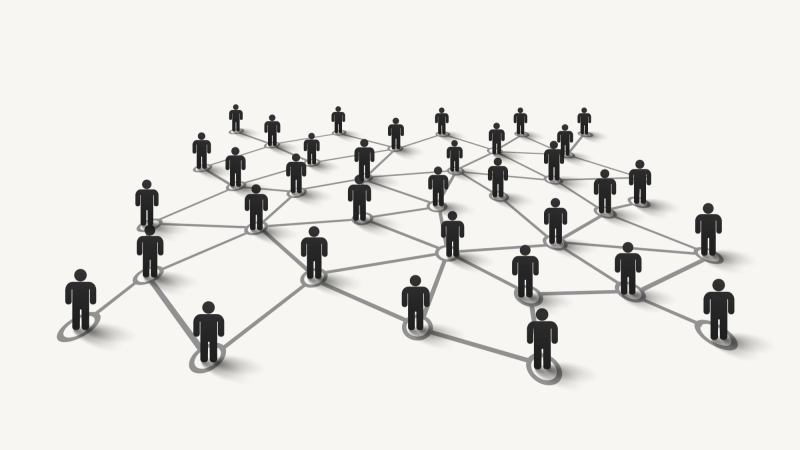
There is a real difference between having an audience and having a community. An audience sees your content when the algorithm decides to show it to them. A community has a shared identity, a shared interest and a sense of belonging to something bigger than a feed. When TSB covers a breaking story our Residents are not just reading it. They are forming opinions, going into the comments, debating, sending us their reactions, telling us what we missed. That active participation is what makes a community and it keeps people coming back not out of habit but because they genuinely feel invested.
We knew we had crossed that line when people we had never met came up to us at events saying they had been following us since secondary school. When someone told me they literally grew up on our content. You cannot manufacture that. It is what happens when you consistently show up and treat your audience like people and not metrics.
The first time, people were on X at the time called Twitter asking where we had gone. At the height of Clubhouse during COVID there were actual rooms dedicated to TSB, and I mean all kinds of rooms. Our Residents discussing what they hoped would happen next and our critics making noise about us being gone too. But here is the thing, you do not create Clubhouse rooms about something that does not matter to you. Whether people loved us or could not stand us, we were the conversation. That only happens when you have built something with real impact. But throughout all of it we never went silent. We had our backup platform TSBUnseen, our email list, Facebook, and we used all of it to keep Residents updated. We posted every single day. They always knew how to reach us. And I will be honest, there were moments that were genuinely hard. We did not always want to keep going like everything was fine. But the best advice I ever got from a close friend was simple. You still have to show up. You might be breaking down behind the scenes but in front it has to be business as usual. That stuck with me. Whether it is Christmas, New Year, COVID, you would not know what we are going through from our content because we take the brand and the community we serve too seriously to slow down.
The reason people keep coming back to TSB is because they see themselves in it. Not just in the stories we cover but in the comment section itself. You can go in there and find people that look like you, think like you, disagree with you in the exact way your cousin does at Christmas dinner. We have had the likes of Idris Elba, Naomi Campbell, Katie Price and Tyson Fury in our comments. We have even had the Met Police clarifying a news story and watched our Residents respond directly to them. That is the kind of space TSB has become. Not just a platform. A room people feel comfortable enough to walk into and say exactly what is on their mind.
This only happens because of years of making it clear that this space belongs to the culture as much as it belongs to us. Listen early and do something about it. Call people by name and mean it. Show up when it is hard. Build community first, everything else will follow.
Most people talk about growing an audience. We have spent nearly ten years building something different and the gap between the two is a lot bigger than most people realise.
When we started The Shade Borough in 2016 the UK had no singular platform that brought everything together. The music, the culture, the everyday person with a hot take, the business owner doing something incredible in their field, everything under one roof. Nothing like it existed here. What was available leaned heavily towards music and mainstream media at the time would not give you the time of day unless you had already made it big. That is why we created TSB. Our perspective is rooted in a Black British experience and that dictates how we see and cover the world, but the platform was always meant for anyone who felt disregarded by UK media. We built it from scratch, without funding, investors or outside support and today we have over a million followers. The number I am most proud of though is not the follower count. It is that 45% of our content is submitted by our audience. Every single day people come to us with cover this, you need to see this, get this out. That does not happen by accident. It stems from the choices we made from the outset about how we treated those who showed up for us.
The first thing we did, and it might sound small but it is far from it, was stop calling our followers followers. We called them Residents. If you are on The Shade Borough you are a resident of the borough. That is your identity, that is your belonging. To this day people refer to themselves as Residents. They sign off their DMs as Residents. They introduce themselves as Residents at events without us ever prompting it. That is not something we crafted, it took root because we were intentional about it from the beginning. When you assign people a name you give them a sense of ownership over what you are collectively building and that transforms everything about how they engage with you.