The Emotional Cost of Being a Woman at Work Hasn’t Disappeared. It Has Learned to Whisper
Women are also constantly managing how they are perceived. Will confidence be mistaken for arrogance? Will setting a boundary make us appear uncooperative? Will showing emotion undermine our credibility? These calculations become so familiar that many women stop noticing they are making them.
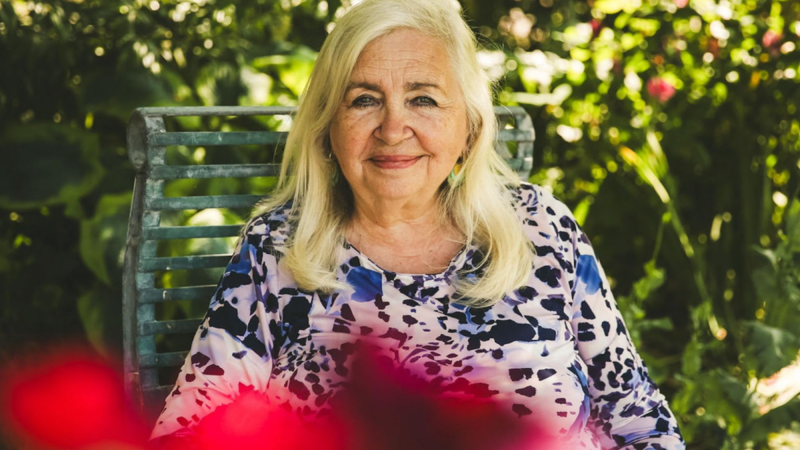
Diane Faben
Opinions expressed by Entrepreneur contributors are their own.
You're reading Entrepreneur United Kingdom, an international franchise of Entrepreneur Media.
The greatest workplace challenge many women face today is no longer the discrimination everyone notices. It is the emotional burden that too often goes unseen. We have made undeniable progress in tackling the most visible forms of sexism, yet many women still carry a quieter weight every working day: being second-guessed, patronised, labelled and expected to prove themselves repeatedly. These experiences rarely make headlines, but their cumulative impact can influence confidence, careers and wellbeing just as profoundly.
There is good news worth celebrating. Workplaces today are not the same as they were when I began my career. Sexual harassment that was once dismissed as part of office life is now far more likely to be challenged. Legal protections have improved, and organisations are paying greater attention to equality than they did decades ago. That progress matters, and it should never be diminished.
Even so, many of today’s challenges are harder to identify because they rarely arrive as obvious acts of discrimination. They often take shape through small moments that accumulate over years. An idea may be ignored until a man repeats it. A woman’s expertise may be questioned before it is heard. A colleague may be described as “aggressive” for showing the same confidence that earns a male peer praise for decisive leadership. A woman may be labelled emotional after expressing frustration, while similar behaviour from a man is interpreted as passion and commitment.
These moments are easy to dismiss individually. Together, they create an invisible emotional burden. I have lost count of the number of women who have told me they simply have not got the energy to keep challenging every slight. Eventually, self-preservation takes over. You stay quiet because speaking up risks being labelled difficult. You begin questioning yourself before anyone else has the chance to. You apologise for taking up space, even when your contribution deserves to be heard.
Research suggests these experiences remain widespread. A 2026 survey found that 66% of women in the UK had experienced patronising behaviour from a male colleague, while seven in 10 reported being spoken over at work. More than half said they had been dismissed professionally. Those figures remind us that changing policies alone does not automatically change everyday behaviour.
Women are also constantly managing how they are perceived. Will confidence be mistaken for arrogance? Will setting a boundary make us appear uncooperative? Will showing emotion undermine our credibility? These calculations become so familiar that many women stop noticing they are making them.
One of the greatest ironies is that confidence itself is not the problem. According to a workplace report, 93% of professional women say they are confident in the quality of their work. Yet more than one in five also report being made to feel less qualified because of their gender. Women know they are capable. The challenge comes from repeatedly receiving signals that competence alone is not always enough.
Those expectations become even more complicated once motherhood enters the picture. For generations, women have quietly delayed having children while trying to establish careers first. Many worry that starting a family too early will interrupt their professional momentum. Others return from maternity leave only to discover that opportunities have quietly passed them by or assumptions have already been made about their commitment.
Many mothers carry guilt in every direction. At work, they wonder whether they are giving enough to their employer. At home, they question whether they are giving enough to their children. It becomes difficult to feel fully present anywhere because every decision appears to come with an emotional price.
The emotional burden is not created only by men. That can be uncomfortable to acknowledge, but honesty demands it. I have seen women undermine other women, withhold encouragement, or distance themselves from those trying to progress. The so-called “queen bee” dynamic is real, although I believe it often reflects systems where opportunities feel scarce. Women who challenge workplace inequality could face greater resistance than those who accept existing norms. That says as much about organisational culture as it does about individual behaviour.
None of this means women should carry responsibility for solving inequality alone. Men remain essential partners because many still occupy positions where decisions about recruitment, promotion and leadership are made. Progress accelerates when men listen without becoming defensive, challenge biased behaviour and recognise that equality benefits everyone.
Support also needs a human dimension that policies alone cannot provide. Mentorship changes lives because it replaces isolation with perspective. Community reminds women that experiences they often internalise are widely shared. Honest conversations create language for emotions that many have struggled to explain for years.
I have witnessed remarkable changes when women are given permission to tell their stories openly. Someone speaks about crying in the office toilet after another meeting where they felt invisible, and suddenly heads begin to nod around the room. Another describes returning from maternity leave feeling like a stranger in her own role, and others quietly admit they experienced the same thing. These conversations encourage recognition, compassion and practical support. They remind women that they are not failing. They are responding to pressures that many others have also carried.
We must continue talking because conversation is one of the reasons progress happened in the first place. The improvements we have seen around harassment, discrimination and legal protection began because people refused to accept silence as normal. That momentum should continue until the quieter forms of inequality are recognised with the same seriousness.
The emotional cost of being a woman at work should not be accepted as an unavoidable part of professional life. It should be acknowledged, shared and reduced through thoughtful leadership, genuine allyship and communities that remind women they never have to carry these invisible burdens alone.
The greatest workplace challenge many women face today is no longer the discrimination everyone notices. It is the emotional burden that too often goes unseen. We have made undeniable progress in tackling the most visible forms of sexism, yet many women still carry a quieter weight every working day: being second-guessed, patronised, labelled and expected to prove themselves repeatedly. These experiences rarely make headlines, but their cumulative impact can influence confidence, careers and wellbeing just as profoundly.
There is good news worth celebrating. Workplaces today are not the same as they were when I began my career. Sexual harassment that was once dismissed as part of office life is now far more likely to be challenged. Legal protections have improved, and organisations are paying greater attention to equality than they did decades ago. That progress matters, and it should never be diminished.
Even so, many of today’s challenges are harder to identify because they rarely arrive as obvious acts of discrimination. They often take shape through small moments that accumulate over years. An idea may be ignored until a man repeats it. A woman’s expertise may be questioned before it is heard. A colleague may be described as “aggressive” for showing the same confidence that earns a male peer praise for decisive leadership. A woman may be labelled emotional after expressing frustration, while similar behaviour from a man is interpreted as passion and commitment.