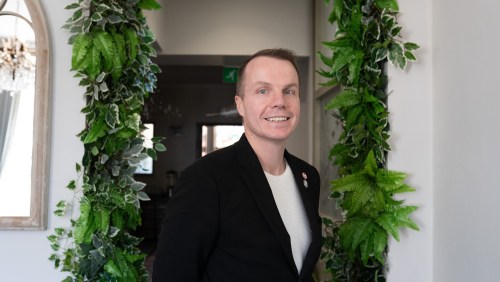
Mother, Builder, Founder
The creator of Little Explorers explains how family inspiration led to a London brand redefining play-based learning.

Opinions expressed by Entrepreneur contributors are their own.
You're reading Entrepreneur United Kingdom, an international franchise of Entrepreneur Media.
Inspired by her own children, Diksha Sethi, the founder of Little Explorers turned a passion for play-based learning into a growing early years business built on creativity, curiosity, and purpose.
What made you turn the idea for Little Explorers into a company?
Little Explorers started very organically. I didn’t originally set out to build a business in education. My two children, Kabir, who is 10, and Aanya, who is 7, have been my biggest inspiration. My husband Paramvir and my family have been my greatest support. Watching my children grow and seeing how much children learn through play sparked my passion for early childhood development. I became especially interested in sensory and messy play and the way it helps children explore, build confidence, and develop important skills in a natural way. What started as something I was passionate about quickly grew when other parents began asking for similar experiences for their children. That passion gradually turned into a business, and Little Explorers was born. Today it’s about creating spaces where children can learn through curiosity, creativity, and joyful exploration. That’s when I decided to turn Little Explorers into a company (JMD Ltd) — not just offering sessions, but building something that could support early childhood development in a much bigger way. My vision is to create environments where children develop confidence, curiosity, and a love for learning from the very start.
Coming from a creative background, how did you translate that into a scalable business model? My creative background helped shape the idea behind Little Explorers. I’ve always believed that children learn best when they are given the freedom to explore, which is why our approach is based on child-led learning. The activities are designed to create curiosity and allow children to discover things on their own rather than follow instructions. At the same time, I knew that for the idea to grow it needed some structure. We developed repeatable session formats, designed sensory activities, and created a strong brand experience that parents recognise and trust. Another important part of Little Explorers is parent partnership. We believe early learning works best when parents are involved in the journey, so we create environments where families feel connected to their child’s development.
How do you filter the noise and stay focused on the bigger vision?
Entrepreneurship comes with a lot of advice and opinions, and while some of it can be helpful, I’ve learned that you also have to be careful not to get distracted by too much noise. One thing many entrepreneurs say is that you shouldn’t listen to the negative voices around you. If you truly believe in your vision and feel you can make it happen, then staying focused is what really matters. For me, I take advice by asking whether it aligns with the core values behind Little Explorers — child-led learning, creativity, and strong parent partnerships. If it helps us create better experiences for children and families, then it’s worth considering. Ultimately, building something meaningful requires clarity and resilience. I stay focused by remembering why I started — my passion for early childhood development and the inspiration I draw from my own children — and making sure every step we take supports the bigger vision for Little Explorers.
What mindset shift was required to move from running sessions to building a brand?
The biggest mindset shift was moving from thinking about individual sessions to thinking about the bigger picture. In the beginning, the focus was simply on creating beautiful, engaging experiences for the children in each class. But as Little Explorers started growing, I realised it needed to become something more scalable. That meant stepping back and thinking like a brand builder rather than just a session leader. It involved developing a clear philosophy around child-led learning, creating consistent programmes, and building strong parent partnerships so families feel part of the journey. The shift was really about moving from doing everything myself to building something that can grow and reach more families while still staying true to the creativity and values that Little Explorers was founded on.
What are your challenges as a female founder?
One challenge is balancing the many roles that come with being both a founder, a parent and also a homemaker. As a female entrepreneur, there can sometimes be an assumption that your business is more of a passion project rather than a serious venture, especially in areas like early childhood education. Another challenge is learning to trust your own vision even when others may question it. Building a business requires resilience and consistency, as a founder you often have to make decisions before others fully see the potential. When you are clear about your mission and believe in what you are building, it becomes much easier to navigate those challenges and keep moving forward.
What’s your key lesson for female founders?
One of the most important lessons I’ve learned is to trust your vision and not wait for permission to start. Many women underestimate their ideas or feel they need everything to be perfect before taking the first step, but building a business is really a process of learning and evolving along the way. It’s also important to stay confident in your direction and not let too many outside opinions derail you. Advice can be helpful, but ultimately you have to believe in what you are building. For me, Little Explorers grew from a genuine passion for children and early development, inspired by my own two children. That passion turned into a business because I stayed committed to the idea and kept focusing on the bigger vision. My advice to other female founders is simple: believe in your idea, start where you are, and keep going. I’m honoured and grateful to be named a finalist on the Nursery Management Today Entrepreneur Power List.
How is female entrepreneurship evolving?
I think one of the biggest shifts is that many female founders today are building businesses with a much stronger sense of collaboration, empathy, and shared growth. There is more of a mindset of supporting each other rather than competing. Women entrepreneurs are increasingly creating communities where founders help one another, share experiences, and lift each other up. That sense of collaboration is incredibly powerful.
What defines an impactful leader today?
An impactful leader creates an environment where teams feel supported, ideas are valued, and people are encouraged to grow. In today’s world, leadership is not just about competition, it’s also about collaboration and helping others succeed. For me, the best leaders think beyond short-term results. They focus on building something meaningful, staying true to their values, and creating positive impact for their community, their teams, and the people they serve. As they say, teamwork makes the dream work. Entrepreneurship is really about building something meaningful that can positively impact people’s lives. For me, Little Explorers is about creating environments where children can grow with confidence and a love for learning.
Inspired by her own children, Diksha Sethi, the founder of Little Explorers turned a passion for play-based learning into a growing early years business built on creativity, curiosity, and purpose.
What made you turn the idea for Little Explorers into a company?
Little Explorers started very organically. I didn’t originally set out to build a business in education. My two children, Kabir, who is 10, and Aanya, who is 7, have been my biggest inspiration. My husband Paramvir and my family have been my greatest support. Watching my children grow and seeing how much children learn through play sparked my passion for early childhood development. I became especially interested in sensory and messy play and the way it helps children explore, build confidence, and develop important skills in a natural way. What started as something I was passionate about quickly grew when other parents began asking for similar experiences for their children. That passion gradually turned into a business, and Little Explorers was born. Today it’s about creating spaces where children can learn through curiosity, creativity, and joyful exploration. That’s when I decided to turn Little Explorers into a company (JMD Ltd) — not just offering sessions, but building something that could support early childhood development in a much bigger way. My vision is to create environments where children develop confidence, curiosity, and a love for learning from the very start.
Coming from a creative background, how did you translate that into a scalable business model? My creative background helped shape the idea behind Little Explorers. I’ve always believed that children learn best when they are given the freedom to explore, which is why our approach is based on child-led learning. The activities are designed to create curiosity and allow children to discover things on their own rather than follow instructions. At the same time, I knew that for the idea to grow it needed some structure. We developed repeatable session formats, designed sensory activities, and created a strong brand experience that parents recognise and trust. Another important part of Little Explorers is parent partnership. We believe early learning works best when parents are involved in the journey, so we create environments where families feel connected to their child’s development.
How do you filter the noise and stay focused on the bigger vision?
Entrepreneurship comes with a lot of advice and opinions, and while some of it can be helpful, I’ve learned that you also have to be careful not to get distracted by too much noise. One thing many entrepreneurs say is that you shouldn’t listen to the negative voices around you. If you truly believe in your vision and feel you can make it happen, then staying focused is what really matters. For me, I take advice by asking whether it aligns with the core values behind Little Explorers — child-led learning, creativity, and strong parent partnerships. If it helps us create better experiences for children and families, then it’s worth considering. Ultimately, building something meaningful requires clarity and resilience. I stay focused by remembering why I started — my passion for early childhood development and the inspiration I draw from my own children — and making sure every step we take supports the bigger vision for Little Explorers.
What mindset shift was required to move from running sessions to building a brand?
The biggest mindset shift was moving from thinking about individual sessions to thinking about the bigger picture. In the beginning, the focus was simply on creating beautiful, engaging experiences for the children in each class. But as Little Explorers started growing, I realised it needed to become something more scalable. That meant stepping back and thinking like a brand builder rather than just a session leader. It involved developing a clear philosophy around child-led learning, creating consistent programmes, and building strong parent partnerships so families feel part of the journey. The shift was really about moving from doing everything myself to building something that can grow and reach more families while still staying true to the creativity and values that Little Explorers was founded on.
What are your challenges as a female founder?
One challenge is balancing the many roles that come with being both a founder, a parent and also a homemaker. As a female entrepreneur, there can sometimes be an assumption that your business is more of a passion project rather than a serious venture, especially in areas like early childhood education. Another challenge is learning to trust your own vision even when others may question it. Building a business requires resilience and consistency, as a founder you often have to make decisions before others fully see the potential. When you are clear about your mission and believe in what you are building, it becomes much easier to navigate those challenges and keep moving forward.
What’s your key lesson for female founders?
One of the most important lessons I’ve learned is to trust your vision and not wait for permission to start. Many women underestimate their ideas or feel they need everything to be perfect before taking the first step, but building a business is really a process of learning and evolving along the way. It’s also important to stay confident in your direction and not let too many outside opinions derail you. Advice can be helpful, but ultimately you have to believe in what you are building. For me, Little Explorers grew from a genuine passion for children and early development, inspired by my own two children. That passion turned into a business because I stayed committed to the idea and kept focusing on the bigger vision. My advice to other female founders is simple: believe in your idea, start where you are, and keep going. I’m honoured and grateful to be named a finalist on the Nursery Management Today Entrepreneur Power List.
How is female entrepreneurship evolving?
I think one of the biggest shifts is that many female founders today are building businesses with a much stronger sense of collaboration, empathy, and shared growth. There is more of a mindset of supporting each other rather than competing. Women entrepreneurs are increasingly creating communities where founders help one another, share experiences, and lift each other up. That sense of collaboration is incredibly powerful.
What defines an impactful leader today?
An impactful leader creates an environment where teams feel supported, ideas are valued, and people are encouraged to grow. In today’s world, leadership is not just about competition, it’s also about collaboration and helping others succeed. For me, the best leaders think beyond short-term results. They focus on building something meaningful, staying true to their values, and creating positive impact for their community, their teams, and the people they serve. As they say, teamwork makes the dream work. Entrepreneurship is really about building something meaningful that can positively impact people’s lives. For me, Little Explorers is about creating environments where children can grow with confidence and a love for learning.