Maria Psarra On Empowering the Next Generation: Turning Opportunity into Measurable Impact

Maria Psarra
From an early age, ambition is often shaped by visibility. Maria Psarra, Founder and Director of Iris Wealth Management, reflects on this concept, recalling how childhood aspirations often begin with exposure. “For you and me to become what we wanted to be when we grew up, we saw it first,” she says. This insight informs her broader philosophy that what young people are exposed to directly influences what they believe is possible.
Psarra views professional success as extending beyond individual achievement into collective responsibility. She believes that environments often taken for granted by professionals can represent aspiration for others, particularly for young people from underprivileged backgrounds. “This, which you and I now perceive as our daily reality, is exceptional and aspiring in the eyes of some young people,” she explains.
Early in her career, Psarra encountered systemic barriers that shaped her perspective on access and inclusion in financial services. “My experience, however, did not define my trajectory. It reinforced my commitment to ensuring that future generations encounter a different reality,” she notes. She views storytelling, mentorship, and representation as practical mechanisms for change, particularly in environments where opportunity is not evenly distributed.
At Iris Wealth Management, Psarra emphasises that she has translated this philosophy into structured, measurable action. According to her, the firm’s ongoing support of youth empowerment and social mobility charities reflects a deliberate alignment between business success and social responsibility. Sponsorship of initiatives, she notes, serves as a platform to engage directly with young people, offering exposure, guidance, and tangible pathways into professional careers.
For Psarra, these initiatives are grounded in authenticity rather than optics. “We are not sponsoring because it looks great on our corporate website,” she states. “We are sponsoring because we, too, have a story, and want young people’s stories to be less painful.”
By working closely with young individuals, she aims to build confidence and expand their sense of possibility. Reflecting on her current mentoring experience, she emphasises the importance of belief as a catalyst for progress. “Helping someone believe they can achieve their professional and personal goals matters as much as any technical skill,” she says.
Psarra acknowledges the critical role of capital in enabling access to healthcare, education, and opportunity. At the same time, she challenges the assumption that financial resources alone drive progress. “Money is extremely important,” she says, “but what moves the world around is desire.” In her view, ambition and determination remain the fundamental drivers of transformation, particularly among young people who face structural disadvantages.
This philosophy informs how she integrates social impact into her professional ecosystem. “By leveraging my expertise, network, and platform, I create access points for underrepresented talent,” Psarra notes. “This includes facilitating introductions, sharing industry insight, and opening doors that might otherwise remain closed. These actions, while often incremental, contribute to systemic change when applied consistently and at scale.”
She also emphasises the role of leadership in creating space for high-impact work. Strategic decisions within a business can often enable or constrain the ability to engage meaningfully with communities. For Psarra, aligning operational priorities with social objectives ensures that impact is embedded rather than episodic. This approach could position philanthropy as an integrated function of business strategy rather than a peripheral activity.
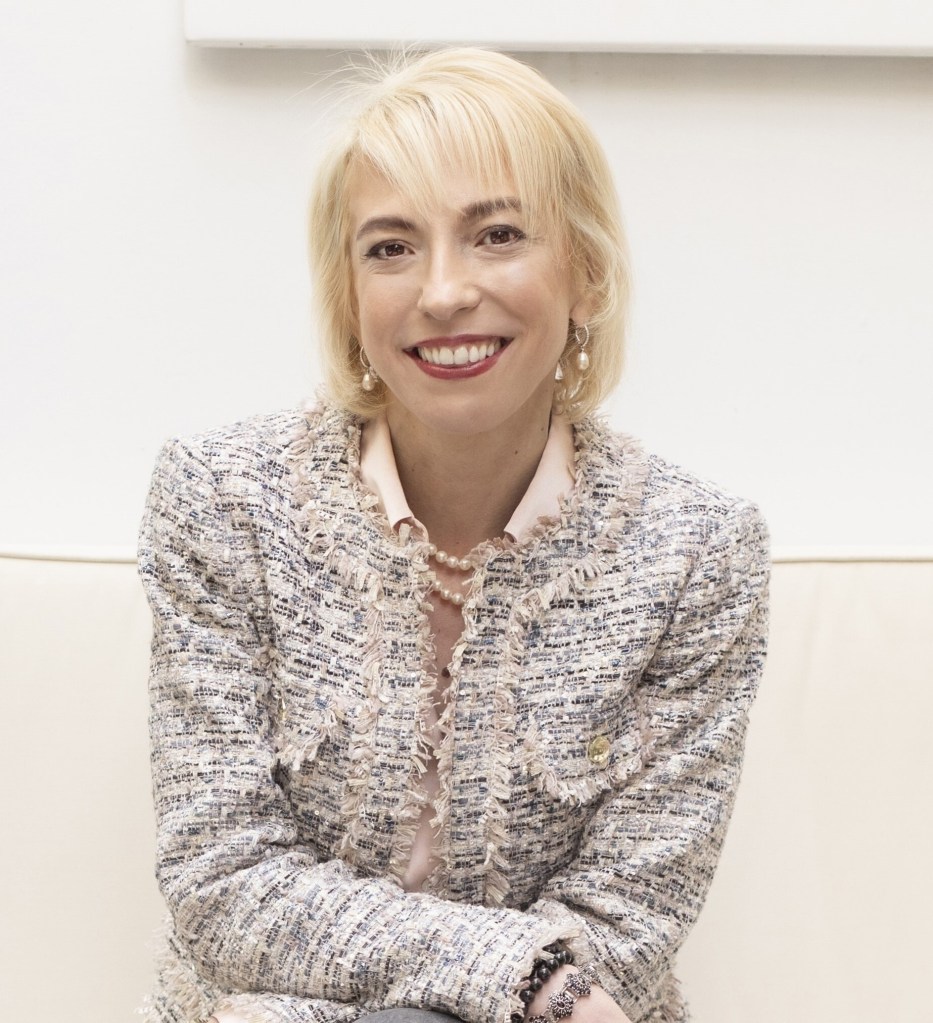
At the core of her work is her belief in shared responsibility. She encourages peers and fellow leaders to reflect on the opportunities that shaped their own journeys. “Remember that you were not always where you are today,” she says. “That reflection can be a powerful driver for action.”
Psarra advocates for a model of engagement that combines financial contribution with personal involvement. “Sharing knowledge, offering mentorship, and supporting initiatives that expand access can create meaningful change even within demanding professional schedules,” she says. “Impact does not require extraordinary resources, only intention and commitment. You do not need much to change someone’s life for the better. You only need to have a kind heart and a good soul.”
Ultimately, her vision is one of scalable, sustainable empowerment. By connecting business success with social progress, she seeks to create pathways that allow future generations to thrive regardless of their starting point. Her message to leaders is clear: influence carries responsibility, and opportunity should be extended, not preserved.
As Psarra says, “If you are right now where you once wanted to be, reach back and pull someone else up. It may change the course of their life.”
From an early age, ambition is often shaped by visibility. Maria Psarra, Founder and Director of Iris Wealth Management, reflects on this concept, recalling how childhood aspirations often begin with exposure. “For you and me to become what we wanted to be when we grew up, we saw it first,” she says. This insight informs her broader philosophy that what young people are exposed to directly influences what they believe is possible.
Psarra views professional success as extending beyond individual achievement into collective responsibility. She believes that environments often taken for granted by professionals can represent aspiration for others, particularly for young people from underprivileged backgrounds. “This, which you and I now perceive as our daily reality, is exceptional and aspiring in the eyes of some young people,” she explains.
Early in her career, Psarra encountered systemic barriers that shaped her perspective on access and inclusion in financial services. “My experience, however, did not define my trajectory. It reinforced my commitment to ensuring that future generations encounter a different reality,” she notes. She views storytelling, mentorship, and representation as practical mechanisms for change, particularly in environments where opportunity is not evenly distributed.