The Future of Diagnostics Depends on Guidance, Not Gadgets
DIY health diagnostics surge, but understanding still lags behind data
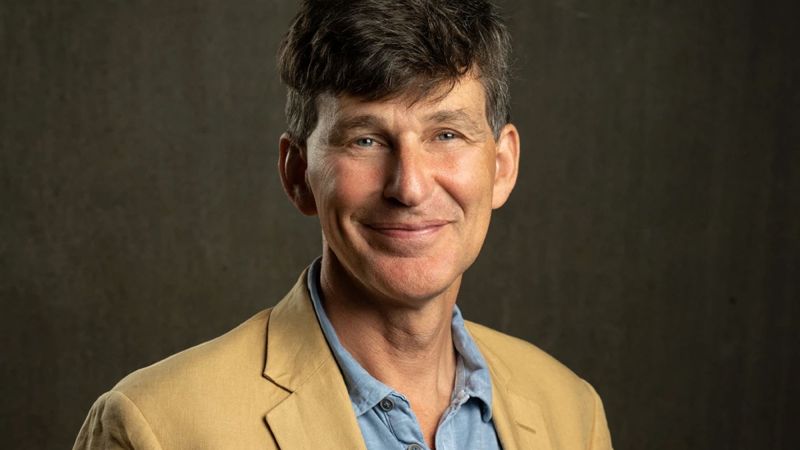
Regenerus Labs
Opinions expressed by Entrepreneur contributors are their own.
You're reading Entrepreneur United Kingdom, an international franchise of Entrepreneur Media.
Everyone’s health journey is different. And like any journey, having the right equipment only gets you so far; you also need a guide. What we’re seeing today is a rapid surge in “DIY diagnostics”, with nearly two-thirds of Brits now turning to AI tools and at-home test kits to investigate their own health. While the curiosity and desire to understand the results from tests are there, many are left confused with complex health data and no real idea what to do with it.
That gap between data and understanding has become a defining challenge in modern day diagnostics. But as with any gap, there also comes an opportunity to fill it.
On the one hand, the societal shift towards proactive, preventative diagnostics creates big opportunities. It means people are no longer waiting to feel ill before engaging with their health. We’re entering an era where healthcare is moving from reactive to proactive self-investigation, and individuals are clearly more eager and willing to invest in understanding their own bodies and leading healthy long lives. That is something that should be celebrated.
However, on the other hand, many people find themselves stuck at the very point where understanding should begin. The issue is, with “DIY diagnostics”, dense test reports arrive with dozens of markers, but lacking context and a roadmap for action. Individuals end up holding all the answers to their health problems, but it’s written in a foreign language. What should feel empowering often ends up just feeling overwhelming.
They also want someone to share their health journey who has seen it before to give them confidence that they are doing the right thing when it comes to understanding their health.
A lack of context
The rise of AI healthcare shows a nation looking for answers. Tools like ChatGPT Health are, frankly, too general, too context-blind and too fragile around nuance. A ‘tired’ individual may find explanations covering everything from low testosterone, to thyroid dysfunction, to simple workload strain. The systems lack the grounding that practitioners bring.
Functional tests like the DUTCH Complete or the GI360 Complete give data that can be hugely powerful. They map hormones that dictate energy, libido, sleep, stress and mood. They reveal details about gut bacteria, inflammation, digestion and potential infections.
For a trained practitioner, this information can explain symptoms that have persisted for years. Those same results will be literally all Greek to the average person reading them; a colossal amount of medical and biological jargon. A small biomarker shift that means little on its own may hide a deeper imbalance that only clinical expertise can bring to light. And the same goes for “normal” readings which may be misunderstood without broader context.
Numbers without context become noise. This is precisely why accessing these tests alongside a qualified practitioner is essential, not optional.
The truth is that the diagnostic revolution has succeeded in giving people access, but it has not yet succeeded in giving people clarity. That is where I believe the real entrepreneurial opportunity lies.
Practitioner-led insights
When people talk about disruption in health, they often imagine technology replacing the clinician. But the real value will come from technology supporting the clinician: giving them better tools, reach and insight without removing clinical judgement at the centre of care. If diagnostics continue down the path of being bought online and interpreted alone, the gap between data and understanding will only widen.
This is why the practitioner-led model matters. A skilled practitioner does not just read the result. A practitioner considers medical history, lifestyle factors, patterns over time and relationships between biomarkers. They restore confidence at a moment when health decisions feel delicate and personal. That personalisation is the difference between data that sits in a drawer, and insight that changes someone’s life.
That’s precisely why we built Find A Practitioner. It connects individuals with qualified experts – functional medicine trained doctors, nutritionists, naturopaths, dietitians and biochemists – who know how to choose the appropriate test and how to interpret the results in the context of the individual.
Entrepreneurs should pay close attention to this shift because it speaks to where demand is heading. Innovation does not always mean creating new apps, tests or gadgets. It often means creating the structures that help people use what already exists safely and effectively. The most successful ventures in this space will be those that help people understand their data rather than drown in it.
There is a parallel here to the early days of consumer finance apps. People suddenly had access to all their spending data, but the data alone did not make them any better with their money. They needed tools, context as well as advisors to make sense of it. Diagnostics is no different.
From data to direction
What excites me most is that diagnostics is entering a stage where interpretation is becoming just as valuable as innovation. This opens doors for new service models, new professional networks, new ways of delivering personalised care and new ways of integrating data into real decision-making.
The entrepreneurs who step into this space with integrity, clinical alignment and a focus on guidance will shape the next decade of preventative health.
Everyone’s health journey is different and can often be rocky. People do not just need access to tests. They need a guide who understands the peaks and troughs of their personal health story. That is the opportunity in front of us. The leaders who help people navigate that journey with confidence will be the ones who move diagnostics from complexity to clarity, and from information to real change.
Everyone’s health journey is different. And like any journey, having the right equipment only gets you so far; you also need a guide. What we’re seeing today is a rapid surge in “DIY diagnostics”, with nearly two-thirds of Brits now turning to AI tools and at-home test kits to investigate their own health. While the curiosity and desire to understand the results from tests are there, many are left confused with complex health data and no real idea what to do with it.
That gap between data and understanding has become a defining challenge in modern day diagnostics. But as with any gap, there also comes an opportunity to fill it.
On the one hand, the societal shift towards proactive, preventative diagnostics creates big opportunities. It means people are no longer waiting to feel ill before engaging with their health. We’re entering an era where healthcare is moving from reactive to proactive self-investigation, and individuals are clearly more eager and willing to invest in understanding their own bodies and leading healthy long lives. That is something that should be celebrated.

Patricia Cullen • Features Writer
Entrepreneur Staff