Pre-Budget Analysis: Can the Chancellor turn promises of business relief into real growth?
Entrepreneurs await Budget measures to ease costs, encourage investment and support growth.
Shutterstock
You're reading Entrepreneur United Kingdom, an international franchise of Entrepreneur Media.
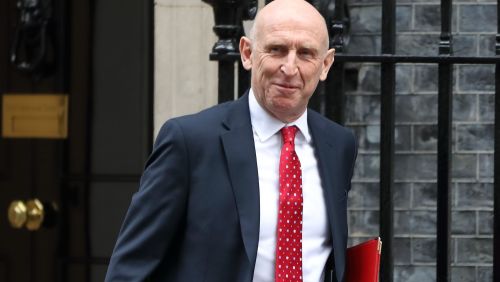
As the Chancellor prepares to deliver the Budget today, entrepreneurs are looking for practical help with rising costs, investment and the burden of red tape. Britain’s small businesses will be watching closely as Chancellor John Healey delivers the Autumn Budget today, hoping for measures that make it easier to invest, recruit staff and grow.
For entrepreneurs, the key question is whether the government can turn its promises of economic growth into tangible improvements for businesses facing pressure on costs and cash flow. Ahead of the Budget, the government announced a package of regulatory and tariff changes that it estimates will save British businesses almost £800m a year. This includes more than £600m in annual administrative savings and up to £155m from extending import tariff suspensions on more than 250 products. The government’s announcement sets out the details. These changes could help firms spend less time on paperwork and reduce the cost of importing certain goods. However, the projected savings are spread across businesses and will not translate into equal benefits for every company.
Reducing the burden on small firms
For smaller businesses, red tape can absorb valuable time and money. Entrepreneurs must juggle compliance with sales, staffing and finances, leaving less time to focus on growth. The government’s proposed reporting reforms aim to reduce that burden, potentially freeing business owners to concentrate on customers and expansion. But cutting paperwork alone will not solve the wider challenges facing small firms. Rising operating costs and uncertainty over demand continue to make investment and recruitment difficult.
The cost of hiring and investing
Hiring staff is a significant financial commitment for small businesses, with wages, employer contributions and training adding to recruitment costs. For growing firms, the decision to take on employees often depends on whether future income can reliably cover those expenses. Changes to employment costs and investment incentives could therefore influence how readily businesses expand. Entrepreneurs will also be looking for clarity on the tax treatment of investment, particularly when purchasing equipment, developing products or entering new markets. Predictable tax rules can help business owners plan ahead and make long-term investment decisions with greater confidence. The challenge for the Chancellor is to encourage investment while maintaining control of the public finances.
Inflation adds to the pressure
The economic outlook presents another challenge. The House of Commons Library’s pre-Budget briefing forecasts that UK inflation could rise above 4% in early 2027, partly driven by higher oil and gas prices. This remains a forecast, not a certainty. For businesses, rising energy, transport and supplier costs can squeeze profit margins. Passing those increases on to customers risks weakening demand, while absorbing them leaves less money for investment. Smaller firms may be particularly exposed because they often have less financial capacity to absorb unexpected costs.
What businesses need from the Budget
The Budget will be judged by more than its headline figures. Business owners will want to know whether the measures announced will reduce costs, improve access to finance and give them greater confidence to recruit and invest. Different sectors face different challenges. Manufacturers may benefit from lower import costs, while retailers may be more concerned about business rates and start-ups about access to funding. The government’s advance package on red tape and tariffs offers some potential relief, but the wider Budget will show how far ministers intend to go in addressing other barriers to growth. For Britain’s entrepreneurs, the ultimate test is practical: whether the policies make it easier to build sustainable businesses, create jobs and invest for the future. Their success will depend not simply on what the Chancellor promises, but on whether businesses experience a meaningful difference in practice.
As the Chancellor prepares to deliver the Budget today, entrepreneurs are looking for practical help with rising costs, investment and the burden of red tape. Britain’s small businesses will be watching closely as Chancellor John Healey delivers the Autumn Budget today, hoping for measures that make it easier to invest, recruit staff and grow.
For entrepreneurs, the key question is whether the government can turn its promises of economic growth into tangible improvements for businesses facing pressure on costs and cash flow. Ahead of the Budget, the government announced a package of regulatory and tariff changes that it estimates will save British businesses almost £800m a year. This includes more than £600m in annual administrative savings and up to £155m from extending import tariff suspensions on more than 250 products. The government’s announcement sets out the details. These changes could help firms spend less time on paperwork and reduce the cost of importing certain goods. However, the projected savings are spread across businesses and will not translate into equal benefits for every company.
Reducing the burden on small firms
For smaller businesses, red tape can absorb valuable time and money. Entrepreneurs must juggle compliance with sales, staffing and finances, leaving less time to focus on growth. The government’s proposed reporting reforms aim to reduce that burden, potentially freeing business owners to concentrate on customers and expansion. But cutting paperwork alone will not solve the wider challenges facing small firms. Rising operating costs and uncertainty over demand continue to make investment and recruitment difficult.

Patricia Cullen • Features Writer
Entrepreneur Staff