The Franchise Reality Check
Franchising success demands realism, discipline, support, and clear expectations today

Home Instead
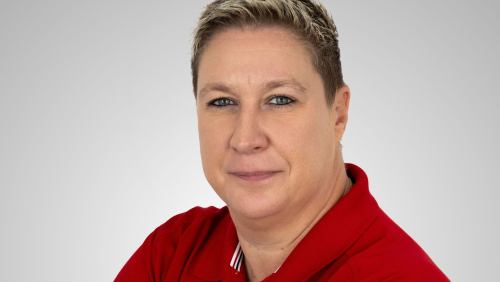
Ruth Brown, managing director Home Instead
Opinions expressed by Entrepreneur contributors are their own.
You're reading Entrepreneur United Kingdom, an international franchise of Entrepreneur Media.
Franchising has long been sold as one of the safest routes into business ownership: a proven model, established systems and the backing of an experienced brand. But behind the success stories lies a far more demanding reality. Rising costs, staffing pressures and growing operational complexity are reshaping what sustainable franchise growth actually looks like. According to Ruth Brown, Managing Director of Home Instead UK and Chair of the British Franchise Association, the strongest franchise systems will not necessarily be the fastest growing, but the ones built on strong support, operational discipline and realistic expectations.
Where do expectations around franchising most often diverge from reality for new franchisees?
There are two areas where expectations most commonly diverge from reality. The first is around the day-to-day experience of running a business. If a franchisor does not give a clear and balanced picture of what ownership really involves, including the highs, the challenges and the lessons learned by existing franchisees, new owners can enter with unrealistic expectations. Franchising provides a proven model and strong support, but success still requires resilience, adaptability and hard work. The second area is financial. Prospective franchisees need a clear understanding of the total investment required, the ongoing costs of operating the business, how long it is likely to take to reach breakeven and what level of income they may be able to generate over time. Responsible franchising is about presenting realistic financial expectations rather than promoting an overly glamorous picture of business ownership.
How has the economics of franchising changed in recent years, around costs, margins and compliance?
Over the past decade, operating costs for everyone have increased significantly. Government policy changes, wage inflation, regulatory requirements and wider economic pressures have all affected the cost of running a business. Strong franchisors respond by continually investing for example in technology, innovation and process improvement. By streamlining operations and improving efficiency, franchisees can help offset rising costs and protect profitability while maintaining outstanding service quality.
What are the most common reasons franchisees struggle or fail?
One of the most common reasons is a failure to follow the proven model. Franchising works because it is built on tested systems and processes. When franchisees attempt to reinvent the wheel rather than applying the guidance provided, they can create unnecessary challenges for themselves. Another factor is underestimating the level of commitment required. Franchising offers a proven framework to setting up a business, but it still requires a level of hard work and consistent leadership especially in the early days. Finally, some franchisees delay seeking support when issues arise. The most successful owners communicate openly with their franchisor and address challenges early, rather than allowing problems to escalate.
Where should the balance sit between franchisor control and franchisee independence?
The most effective franchise relationships are genuine partnerships. Both parties are working towards the same objective: building a successful and sustainable business. The franchisor provides the brand, systems, support and strategic direction, while the franchisee applies those tools within their local market. The key is to establish clear roles and responsibilities from the outset, ensuring both sides understand how they work together to achieve shared goals.
In people-heavy sectors like care, how much does staffing now determine success or failure?
In sectors such as care, people are central to success. Recruiting the right individuals, retaining them and providing a strong onboarding experience all have a direct impact on service quality and business performance. Because caring can sometimes feel like an isolated role, ongoing support and a positive culture are particularly important. Leadership also plays a critical role. Franchise owners who set a clear vision, define expectations and create a supportive environment are far more likely to build engaged, high-performing teams.
What do new franchisees most consistently underestimate?
Many new franchisees underestimate the emotional and practical realities of business ownership. Running a franchise like any business inevitably involves unexpected challenges and some periods of uncertainty. There is also a significant sense of responsibility that comes with leading a team and knowing that employees and their families depend on the business for their livelihoods. While this responsibility can be demanding, it is also one of the most rewarding aspects of franchise ownership.
What will separate strong franchise systems from weak ones over the next decade?
The strongest franchise systems will be those that continue to innovate while remaining true to their core values. Technology, automation and artificial intelligence will play an increasingly important role in improving efficiency and enhancing decision-making. However, innovation alone is not enough. The most resilient franchise brands will combine forward-thinking strategies with a strong culture, clear purpose and consistent values. Ultimately, successful franchisors will be those that both embrace change and deliver on the promises they make to franchisees.What is the one truth you would tell someone before they buy a franchise today?
Carry out thorough due diligence. Understand exactly what you are investing in, what the day-to-day responsibilities look like, the likely challenges and the support available to you. Speak to existing franchisees, ask detailed questions and take the time to build a realistic picture of what ownership involves. Franchising can be an incredibly rewarding way to build a business, due to the support provided and the collaborative peer network. Franchise owners receive so much support to help with running their business which just isn’t there when setting up on your own which is why there is such a high success rate in franchising. But success starts with making a fully informed decision.
Franchising has long been sold as one of the safest routes into business ownership: a proven model, established systems and the backing of an experienced brand. But behind the success stories lies a far more demanding reality. Rising costs, staffing pressures and growing operational complexity are reshaping what sustainable franchise growth actually looks like. According to Ruth Brown, Managing Director of Home Instead UK and Chair of the British Franchise Association, the strongest franchise systems will not necessarily be the fastest growing, but the ones built on strong support, operational discipline and realistic expectations.
Where do expectations around franchising most often diverge from reality for new franchisees?
There are two areas where expectations most commonly diverge from reality. The first is around the day-to-day experience of running a business. If a franchisor does not give a clear and balanced picture of what ownership really involves, including the highs, the challenges and the lessons learned by existing franchisees, new owners can enter with unrealistic expectations. Franchising provides a proven model and strong support, but success still requires resilience, adaptability and hard work. The second area is financial. Prospective franchisees need a clear understanding of the total investment required, the ongoing costs of operating the business, how long it is likely to take to reach breakeven and what level of income they may be able to generate over time. Responsible franchising is about presenting realistic financial expectations rather than promoting an overly glamorous picture of business ownership.
How has the economics of franchising changed in recent years, around costs, margins and compliance?
Over the past decade, operating costs for everyone have increased significantly. Government policy changes, wage inflation, regulatory requirements and wider economic pressures have all affected the cost of running a business. Strong franchisors respond by continually investing for example in technology, innovation and process improvement. By streamlining operations and improving efficiency, franchisees can help offset rising costs and protect profitability while maintaining outstanding service quality.

Patricia Cullen • Features Writer
Entrepreneur Staff