Inside the Franchise Model
Franchisee experience highlights risk, debt, and transparency concerns in franchising
Opinions expressed by Entrepreneur contributors are their own.
You're reading Entrepreneur United Kingdom, an international franchise of Entrepreneur Media.
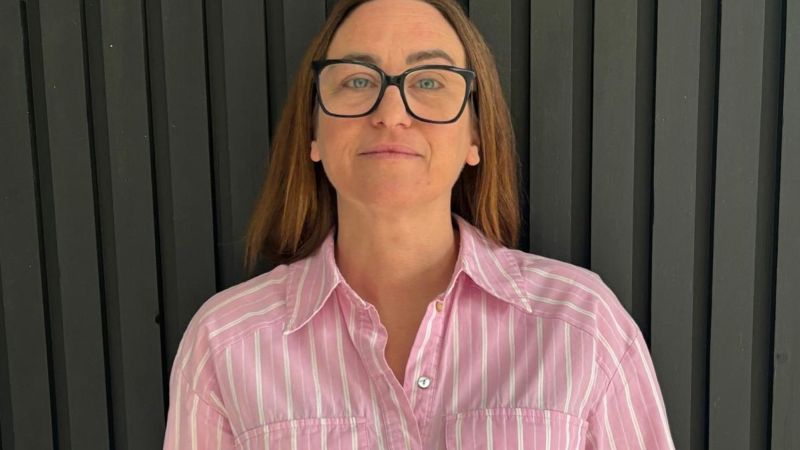
Rachael Beddow-Davison, director of Form Data Solutions and former Vodafone franchisee, says she was left with significant debt and mental health struggles after running Vodafone franchise stores. She is now among 62 former franchisees taking Vodafone to court over its franchise model Franchising initially offered the appeal of entrepreneurship with the backing of a global brand, but her experience later exposed issues around limited control, visibility and balance in the partnership In this Entrepreneur UK interview, she reflects on resilience, risk, and the lessons that led her to build independently.
What first attracted you to franchising as a business model?
I was first introduced to franchising through my then employer, Vodafone. At the time, I was a store manager and Vodafone was moving a large part of its retail estate into franchise ownership. The opportunity appealed to me because it combined entrepreneurship with the backing of an established global brand, where I had already built my career over the previous five years. For me, it felt like an opportunity to apply the skills I had developed in retail management to build and grow my own business, while continuing to operate within an established brand, customer network and retail structure. However, my experience also highlighted the downside risks that can exist within franchise relationships when commercial pressures and expectations change. After raising concerns and following the internal processes available to me, including internal investigations, those issues ultimately remained unresolved and eventually led to litigation. That experience reinforced the importance of transparency, due diligence and fully understanding both the opportunities and risks involved in franchising.
What qualities are most important when choosing a business partnership?
The biggest lesson I’ve learned is that trust and transparency are everything. A partnership must work commercially for both sides over the long term, especially in franchising where one side often has significantly more power and control over the other. Clear communication, consistency, trust and a willingness to genuinely collaborate are critical. It’s also important that both parties understand each other’s risks and challenges, rather than treating the relationship as purely transactional and one sided. I think many franchisees enter partnerships believing they are joining a shared journey with the protection of a large brand. Therefore, expectations, financial models and decision-making processes must be open, collaborative, and sustainable from the start.
What did the experience teach you about resilience as an entrepreneur?
The experience taught me that resilience is not just about working hard, it’s about adapting, staying focused and continuing to move forward during uncertainty. From the moment I became a franchisee, I started building our own in-house reporting tools because we were largely reliant on franchisor reporting, which didn’t always provide the full picture of how the business was performing. I wanted greater visibility not only into sales performance and commission accuracy, but also into the behavioural and operational measures that were driving the business day to day. That process made me far more analytical as a business owner and reinforced how important it is to have direct access to accurate, real-time business data rather than relying purely on headline reporting. Running a franchise business through periods of operational and financial pressure tested my resilience significantly, both personally and professionally, but it also taught me how important it is to stay solution-focused and keep adapting when circumstances change. What originally started as a way to better understand and manage my own business ultimately evolved into my current company, where we now help franchisees and business owners gain clearer insight, stronger operational control and better decision-making through the data their businesses generate every day. One of the biggest lessons I’ve learned is that failure or setbacks shouldn’t stop people from pursuing entrepreneurship. In the UK, failure is often viewed negatively, whereas in other entrepreneurial cultures it’s seen as part of the learning process. The important thing is to keep learning, keep adapting and keep moving forward.
What advice would you give someone considering franchising today?
Conduct as much due diligence as possible and seek advice from a franchise legal expert before signing anything. Speak not only to current franchisees, but also to former franchisees if you can. Understand the commercial model in detail and make sure you know how both sides actually make money. It’s important to look beyond the strength of the brand and really assess the long-term sustainability of the relationship. Ask questions about how decisions are made, how changes are introduced and what level of support exists if trading conditions become difficult. I’d also advise people to focus not only on projected profits, but also on understanding the downside risk. Many people naturally look at the potential upside when entering a franchise, but it’s equally important to understand how much capital is at risk, what happens if trading conditions change and whether the business model remains sustainable under pressure. Franchising can absolutely create fantastic opportunities and many people build very successful businesses through it. However, like any partnership, success depends heavily on transparency, trust and having a model that works fairly for everyone involved. There is also increasing discussion around standards and accountability within the wider franchising sector, with growing interest in whether additional protections or oversight may be needed following a number of high-profile franchise disputes across different industries. As part of that wider conversation, we are gathering experiences from current and former franchisors and franchisees to support discussions around best practice, transparency and the future of franchising in the UK.
Rachael Beddow-Davison, director of Form Data Solutions and former Vodafone franchisee, says she was left with significant debt and mental health struggles after running Vodafone franchise stores. She is now among 62 former franchisees taking Vodafone to court over its franchise model Franchising initially offered the appeal of entrepreneurship with the backing of a global brand, but her experience later exposed issues around limited control, visibility and balance in the partnership In this Entrepreneur UK interview, she reflects on resilience, risk, and the lessons that led her to build independently.
What first attracted you to franchising as a business model?
I was first introduced to franchising through my then employer, Vodafone. At the time, I was a store manager and Vodafone was moving a large part of its retail estate into franchise ownership. The opportunity appealed to me because it combined entrepreneurship with the backing of an established global brand, where I had already built my career over the previous five years. For me, it felt like an opportunity to apply the skills I had developed in retail management to build and grow my own business, while continuing to operate within an established brand, customer network and retail structure. However, my experience also highlighted the downside risks that can exist within franchise relationships when commercial pressures and expectations change. After raising concerns and following the internal processes available to me, including internal investigations, those issues ultimately remained unresolved and eventually led to litigation. That experience reinforced the importance of transparency, due diligence and fully understanding both the opportunities and risks involved in franchising.
What qualities are most important when choosing a business partnership?
The biggest lesson I’ve learned is that trust and transparency are everything. A partnership must work commercially for both sides over the long term, especially in franchising where one side often has significantly more power and control over the other. Clear communication, consistency, trust and a willingness to genuinely collaborate are critical. It’s also important that both parties understand each other’s risks and challenges, rather than treating the relationship as purely transactional and one sided. I think many franchisees enter partnerships believing they are joining a shared journey with the protection of a large brand. Therefore, expectations, financial models and decision-making processes must be open, collaborative, and sustainable from the start.