Bruno Rooselaer Invites Business Leaders to Look for the Dormant Value Behind Blind Spots in Their Businesses
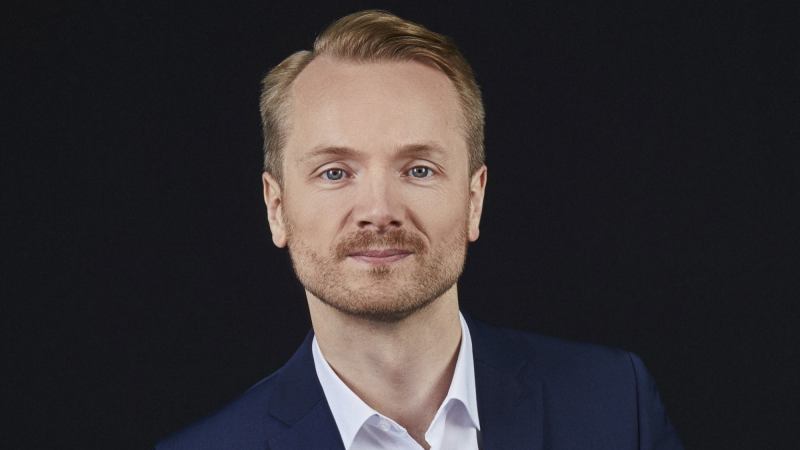
Bruno Rooselaer
“Blind spots are far more common than leaders realize, and they hamper growth unless CEOs get real about inviting honest feedback,” says Bruno Rooselaer, founder and director of Invision Consulting. After 20 years of consulting across multiple organizations, he began seeing the same leadership and alignment patterns repeat themselves and shifted into management consulting to help companies address them.
Rooselaer says the scale of the problem is still widely misunderstood. “The data shows that up to 80% of business leaders have significant blind spots,” he says. “That mirrors what I see across organizations of all sizes. And it leads to missed opportunities, weaker decisions, and slower growth.”
He explains that blind spots form because leaders naturally operate from a different vantage point than the rest of the organization. “Leaders see the big picture, while employees live the day-to-day reality,” he says. “When executives accept that blind spots are normal, they become more curious, more open, and more willing to uncover what they’ve been missing. That shift alone can improve alignment and strengthen performance.”
At its core, Rooselaer says that this comes down to self-awareness. “When leaders understand which of their own behaviors unlock the potential of their teams, and which quietly hold people back, change becomes much easier to implement,” he explains. He acknowledges this can feel uncomfortable for many business leaders. “There can be resistance at first. But the leaders who accept that others may see something they don’t are the ones where the organization improves the fastest,” he adds.
In Rooselaer’s experience, blind spots appear when leadership teams assume they already have the full picture. “Real insight comes from the combination of employees, customers, partners, and the market,” he says. “No leadership team is smarter than what that collective perspective can reveal. Without a structure for feedback, leaders are forced to rely on an incomplete view, and when those signals don’t flow upward, they inevitably miss shifts that were visible to others for months.”
Rooselaer has also noticed that some employees may be reluctant to share opposing views. For instance, they may not want to risk disrupting a good rapport. Alternatively, employees may regard their leadership’s views as inherently better because of their seniority. According to Rooselaer, this can decrease employee engagement and may ultimately perpetuate a lack of emotional safety. “A dynamic where employees do not feel comfortable enough to point out something that they believe is worthy of attention must be addressed,” he explains.
Rooselaer invites leaders to reflect on their approaches and proactively ask for feedback with an open mindset. “It’s about asking what you can do better and asking about the things that you can’t see,” Rooselaer explains. “These questions need to be asked with vulnerability and an understanding that each individual, regardless of their level, has their own goals and areas for improvement.” He reminds leaders that this practice demands a balancing act, requiring sufficient empathy to ask the correct questions in order to get the responses that help them.
During his career, Rooselaer has noted that there is a cultural element to consider when assessing leaders’ readiness to accept employees, pointing out blind spots. For instance, companies in North America exhibit 33% employee engagement, whereas those in Europe are limited to 14%. Keeping these factors in mind is key when assessing how to shape relationships and target employee engagement.
Rooselaer argues that organizations transform when leaders are willing to confront what they don’t see. “When you combine leadership vision with the truth emerging from the ground, companies unlock a level of clarity they’ve never had,” he says. “The leaders who embrace this shift don’t just improve performance, they change what’s possible.”
“Blind spots are far more common than leaders realize, and they hamper growth unless CEOs get real about inviting honest feedback,” says Bruno Rooselaer, founder and director of Invision Consulting. After 20 years of consulting across multiple organizations, he began seeing the same leadership and alignment patterns repeat themselves and shifted into management consulting to help companies address them.
Rooselaer says the scale of the problem is still widely misunderstood. “The data shows that up to 80% of business leaders have significant blind spots,” he says. “That mirrors what I see across organizations of all sizes. And it leads to missed opportunities, weaker decisions, and slower growth.”
He explains that blind spots form because leaders naturally operate from a different vantage point than the rest of the organization. “Leaders see the big picture, while employees live the day-to-day reality,” he says. “When executives accept that blind spots are normal, they become more curious, more open, and more willing to uncover what they’ve been missing. That shift alone can improve alignment and strengthen performance.”