Leading vs. Founding: What Kind of a Founder Are You?
Founders must embrace leadership to build sustainable, successful organisations.
The Founder Leadership Research Lab
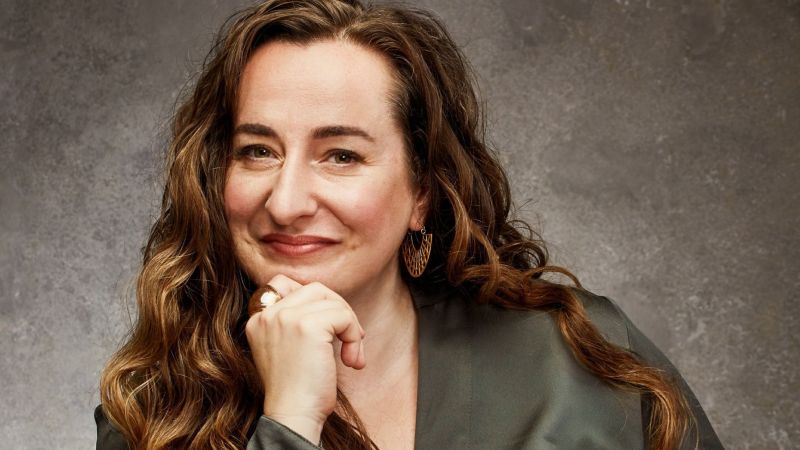
Founder coach and researcher Dr Susanna Kislenko
Opinions expressed by Entrepreneur contributors are their own.
You're reading Entrepreneur United Kingdom, an international franchise of Entrepreneur Media.
When we hear the word “founder”, we often think of people who are considered successful entrepreneurs – even serial entrepreneurs – and sometimes of the glamour associated with those who hold this title and achieve the highest accolades the role can bring. We might also think of people who have raised or earned a great deal of money and who have been lauded for inventing something new or bringing an innovative product to the market. But how much do we hear about founders as leaders?
From the moment a founder has even one employee, they are also a leader, and this part of the role of being a founder is sometimes overlooked. Founders don’t often discuss the realities (and challenges) associated with leadership, especially if they became a founder prior to having any significant leadership experience. There is often an assumption that when someone has given birth to an organisation – that is, become its founder – they have all the skills required to lead it over the long term. Although it is true that people with the capacity and skills to create something from scratch possess certain valuable skills and characteristics, those same coveted qualities can actually work against a founder over the long term.
A founder is also a leader: How to embrace all aspects of the role
If a founder becomes too attached to being viewed as a founder, they may forego certain leadership obligations and even strategic planning in order to maintain their control over their organisation as it grows. The extremity of this kind of approach can lead to something called Founder’s Syndrome, a phenomenon that prevents the founder from delegating control in any form to ensure that they remain at the centre of the organisation and all its activities.
Through interviewing hundreds of founders to understand what causes this phenomenon, as well as how to prevent it, I have found that it all comes down to the way a founder approaches their day-to-day work. The goal is to ultimately build an organisation that can make decisions and continue to thrive without requiring the founder to remain at the centre of everything.
Although leadership is an inherent part of being a founder, there are some founders who prefer not to consider (and thus embrace) the leadership component of their role. These founders often have a strong attachment to being viewed as a founder above anything else, and this translates to how they lead the organisation. I call this group “Founders First”, and they are more likely to develop Founder’s Syndrome over time.
At the same time, there are founders who mostly focus on the leadership element of their role and are thus not attached to being a founder – in fact, they often don’t even have the word in their title, rather preferring to refer to themselves by another leadership-related title (such as CEO or another executive title). I have even spoken with founders in this group who prefer not to use any formal title at all. I call this group “Leader First”, and they are less likely to develop any form of Founder’s Syndrome over time. The main attributes of each group are listed below:
| Founder First | Leader First |
| Identifies more with the founder component of their roleHighlights the role of founder in their public personaDrawn toward entrepreneurship by the lure of being viewed in a certain way publiclyResistant to any form of succession planning or even pondering the idea of no longer being the leader of their organisationOften has an affinity for Steve Jobs | Identifies more with the leader component of their roleIs focused on ensuring that their team is supportedSometimes an accidental founder, in that they were driven by the idea or mission and did not intend to be the one to start the organisationConstantly assessing whether they are still the right leader for their organisation and regularly considering what their succession plan should be |
Getting honest about what being a founder entails
The purpose of sharing these insights is not to make you rethink your entire life, but to encourage you to reflect on the way you might be approaching your role if you are a founder already. If you are not a founder yet but are considering starting something of your own, then this would be the ideal moment to intentionally consider the way you would like to approach your role once your organisation is created and off the ground.
As your team grows and as you continue to scale, the demand for more sophisticated forms of leadership skills will also increase. This is an aspect of the founder role that is less commonly spoken about (and you may not ever hear about it in the news or within your networks), but it is an inescapable reality that you can prepare for and embrace, wherever you currently find yourself within the entrepreneurial cycle.
When we hear the word “founder”, we often think of people who are considered successful entrepreneurs – even serial entrepreneurs – and sometimes of the glamour associated with those who hold this title and achieve the highest accolades the role can bring. We might also think of people who have raised or earned a great deal of money and who have been lauded for inventing something new or bringing an innovative product to the market. But how much do we hear about founders as leaders?
From the moment a founder has even one employee, they are also a leader, and this part of the role of being a founder is sometimes overlooked. Founders don’t often discuss the realities (and challenges) associated with leadership, especially if they became a founder prior to having any significant leadership experience. There is often an assumption that when someone has given birth to an organisation – that is, become its founder – they have all the skills required to lead it over the long term. Although it is true that people with the capacity and skills to create something from scratch possess certain valuable skills and characteristics, those same coveted qualities can actually work against a founder over the long term.
A founder is also a leader: How to embrace all aspects of the role
If a founder becomes too attached to being viewed as a founder, they may forego certain leadership obligations and even strategic planning in order to maintain their control over their organisation as it grows. The extremity of this kind of approach can lead to something called Founder’s Syndrome, a phenomenon that prevents the founder from delegating control in any form to ensure that they remain at the centre of the organisation and all its activities.
Susanna Kislenko • Director at The Founder Leadership Research Lab
Susanna Kislenko is Director at The Founder Leadership Research Lab