A Change Is Coming
Dr Louise Newson explains how innovation could transform women’s hormone health.
Balance app
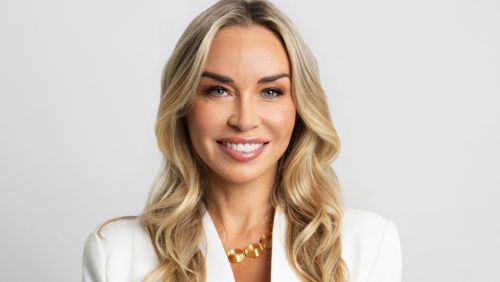
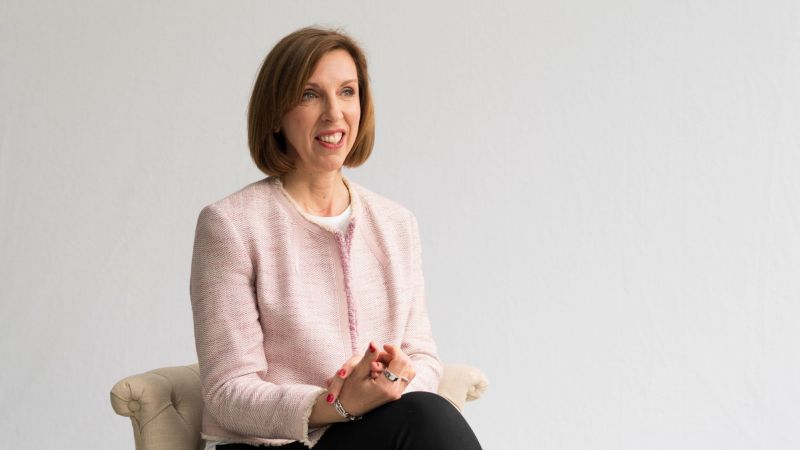
Dr Louise Newson, hormone health expert and founder of the Balance app
Opinions expressed by Entrepreneur contributors are their own.
You're reading Entrepreneur United Kingdom, an international franchise of Entrepreneur Media.
For decades, women’s hormone health has been overlooked, under-researched and too often misunderstood. That is beginning to change. From artificial intelligence and real-world health data to better clinician education and more personalised care, a new wave of innovation promises to reshape how hormone-related conditions are diagnosed and treated. Dr Louise Newson, hormone health expert and founder of the Balance app, explains why the next breakthrough in women’s health may not be a new medicine, but a better understanding of the women who need it.
Women’s health is finally attracting major investment. What breakthrough do you believe will have the greatest impact on women’s health over the next decade?
AI has significant potential in the field of women’s hormone health. Women’s hormone health has a profound impact on our society: hormone-related conditions such as PCOS/PMOS and endometriosis affect up to one in ten women while up to one in five new mothers will experience postnatal depression. Some 90% of women are thought to experience premenstrual symptoms, and every woman will become perimenopausal or menopausal during their lifetime. I believe AI has enormous potential in healthcare, identifying symptom profiles, helping with diagnosis and ultimately helping us to tailor hormone treatment more effectively.
How do you see AI transforming the diagnosis and treatment of menopause and hormone-related conditions – and where should we be cautious?
Hormone health has for so long been a taboo subject, particularly menopause, or only the preserve of a very few doctors, so anything that can open up the conversation in a considered way is a positive. I think that with trusted source material, AI has huge potential to spread knowledge, information and break down research about hormone health for women and anyone who has a friend, colleague or loved one coping with hormonal change. There’s a lot of outdated guidelines and misinformation out there, so AI needs to link to the right source material and be evidence-based, but it harnesses huge potential for information to be digested and shared quickly in an easy-to-understand format. We have to view AI as a support for, not a replacement for clinicians. We need to remember the importance of human connection and individualised care: as a clinician, the best tools I have at my disposal in the consulting room are my ears. Symptoms of hormone change can overlap with so many other conditions, and women are inappropriately prescribed painkillers for aches and pains, antidepressants for hormone-related low mood and are often sent for multiple, often costly and unnecessary tests and investigations. That’s why listening to our patients and picking up on the nuances of what they tell about their symptoms, their health and their worries is so important when making a diagnosis and finding the right treatment for them.
Your digital platforms generate extensive real-world health data. What’s the most surprising insight you’ve uncovered, and how could it shape future research?
On my Balance app, the symptom tracker is an incredibly useful tool for our users, allowing them to track the type, severity and frequency of their symptoms, and assess whether hormone treatment is helping them. Perhaps one of the most surprising findings for others that has really helped bust the stereotype that menopause is not just about hot flushes. Out of 131 million symptom logs on our Balance app, the most common symptom recorded is actually brain fog, followed by anxiety and low mood. Hot flushes were ranked number 10 most commonly recorded, while night sweats were down in 34th place! I’m not minimising the impact of hot flushes and night sweats, but in my clinical experience, menopause is far from a single-symptom issue and we need innovation to reflect reality, not stereotypes.
If you had £100m to invest in women’s health innovation today, where would you put it – and why?
Education tools for clinicians. One of the most positive shifts in recent years is that women are more proactive in seeking out information for themselves, through social media and apps like Balance. Women are better informed about their hormone health and hormone treatments than ever before, and as clinicians we need to receive better training and education about hormones including prescribing hormone treatments. For decades education in medical schools and other training faculties about menopause and wider hormone health has been vanishingly small – when I look back to my own training, it probably amounted to an hour or two at most. This education gap has harmed women, resulting in fragmented care, delayed diagnosis and prescribing of inappropriate medications without treating the hormonal cause.
The UK is a leader in life sciences but often struggles to scale innovation. What needs to change for Britain to become a global leader in women’s health?
We need to keep patients at the centre of everything we do and adopt a more can-do attitude. While we need to be aware of existing guidelines, we should see them as that: a guide. We need to use our clinical experience, professional curiosity to think about how we can best help our patients, and innovation is part of that.
If we spoke again in 20 years, what do you think medicine will understand about women’s hormones that it doesn’t fully grasp today?
I think that society is finally realising the very deep societal and economic impact that poor menopause and wider hormone healthcare can have. However, while conversations around menopause and wider hormone health are finally opening up, some stubborn misconceptions prevail. Hormone changes are often viewed through the lens of a collection of temporary symptoms that when are expected to put up with or ‘get through’. But there’s more to hormone health than the here and now symptoms: low hormones can have real implications for our long-term health and wellbeing, increasing risk of disease. We need to collectively make that shift from thinking beyond lifespan to health span: that is staying in good health for as long as possible throughout our lives.
For decades, women’s hormone health has been overlooked, under-researched and too often misunderstood. That is beginning to change. From artificial intelligence and real-world health data to better clinician education and more personalised care, a new wave of innovation promises to reshape how hormone-related conditions are diagnosed and treated. Dr Louise Newson, hormone health expert and founder of the Balance app, explains why the next breakthrough in women’s health may not be a new medicine, but a better understanding of the women who need it.
Women’s health is finally attracting major investment. What breakthrough do you believe will have the greatest impact on women’s health over the next decade?
AI has significant potential in the field of women’s hormone health. Women’s hormone health has a profound impact on our society: hormone-related conditions such as PCOS/PMOS and endometriosis affect up to one in ten women while up to one in five new mothers will experience postnatal depression. Some 90% of women are thought to experience premenstrual symptoms, and every woman will become perimenopausal or menopausal during their lifetime. I believe AI has enormous potential in healthcare, identifying symptom profiles, helping with diagnosis and ultimately helping us to tailor hormone treatment more effectively.
How do you see AI transforming the diagnosis and treatment of menopause and hormone-related conditions – and where should we be cautious?
Hormone health has for so long been a taboo subject, particularly menopause, or only the preserve of a very few doctors, so anything that can open up the conversation in a considered way is a positive. I think that with trusted source material, AI has huge potential to spread knowledge, information and break down research about hormone health for women and anyone who has a friend, colleague or loved one coping with hormonal change. There’s a lot of outdated guidelines and misinformation out there, so AI needs to link to the right source material and be evidence-based, but it harnesses huge potential for information to be digested and shared quickly in an easy-to-understand format. We have to view AI as a support for, not a replacement for clinicians. We need to remember the importance of human connection and individualised care: as a clinician, the best tools I have at my disposal in the consulting room are my ears. Symptoms of hormone change can overlap with so many other conditions, and women are inappropriately prescribed painkillers for aches and pains, antidepressants for hormone-related low mood and are often sent for multiple, often costly and unnecessary tests and investigations. That’s why listening to our patients and picking up on the nuances of what they tell about their symptoms, their health and their worries is so important when making a diagnosis and finding the right treatment for them.

Patricia Cullen • Features Writer
Entrepreneur Staff