Fighting the Touts: How Twickets Took a Stand Against Ticket Resale Greed
When Richard Davies launched Twickets, he wasn’t chasing a fast buck or investor headlines—he was trying to fix a system he felt was broken.
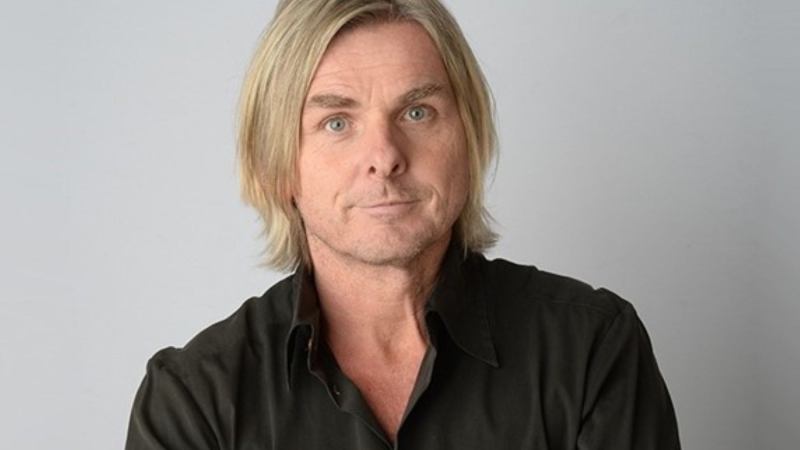
Twickets
Opinions expressed by Entrepreneur contributors are their own.
You're reading Entrepreneur United Kingdom, an international franchise of Entrepreneur Media.
“As a team we were sick of the profiteering in ticket resale,” he says. “But we weren’t sure whether enough event goers believed the same way, and whether there was a business in capping resale prices at face value.”
Twickets, founded in 2011, started not as a tech platform but as a Twitter account, @Twickets, where users could post spare tickets for sale – so long as they didn’t charge more than face value. “As luck would have it, there was plenty of inventory to share to our followers, and we very quickly reached 10,000’s of followers,” Davies says. That early traction gave him and his team the confidence to invest in building out a full trading platform. Today, Twickets has evolved into a web and app-based service where buyers and sellers can exchange tickets safely, with the company acting as a trusted intermediary.
But Twickets wasn’t just solving a problem for fans. The team quickly realised that inflated resale prices were hurting the live events industry itself. “If event goers spend more on their tickets to a gig / festival etc then they’ll have less money to buy tickets to future shows, on merchandise or even food and drinks at the venue,” Davies explains. “So everyone was losing out other than the ticket touts.”
This insight became the foundation of Twickets’ growth strategy. Rather than compete with industry stakeholders, they partnered with them. “We approached hundreds of artists, comedians, venues, festivals and even box offices to be their official resale partner,” says Davies. “Receiving their endorsement meant not just a seal of authenticity but also a rapidly growing stream of inventory hitting our platform.”
Now a profitable and recognised player in the live entertainment world, Davies is also vocal about the lessons he’s learned from past ventures – particularly when it comes to funding. “I learned from one of my previous start ups that wherever possible stay away from PE / VC funding, and keep control of your business,” he says. “It’s something I applied to Twickets and fortunately we’ve only ever had to take a small amount of investment… from high net worth individuals who can also help grow our business.”
His advice to UK startup founders? Keep it lean and grounded: “Test your concept as much as you possibly can before you launch. And when you’re finally ready to go, start small and focused, looking to grow steadily and sustainably.” And most importantly, he adds, “Where you can, either self-finance or seek investment from those you trust, in order to stay in control of your business.”
Twickets’ success may not have come from disrupting an industry with flashy tech or aggressive VC backing – but in standing up for fairness and long-term trust. It turns out, that’s a business model that fans and founders alike can believe in.
“As a team we were sick of the profiteering in ticket resale,” he says. “But we weren’t sure whether enough event goers believed the same way, and whether there was a business in capping resale prices at face value.”
Twickets, founded in 2011, started not as a tech platform but as a Twitter account, @Twickets, where users could post spare tickets for sale – so long as they didn’t charge more than face value. “As luck would have it, there was plenty of inventory to share to our followers, and we very quickly reached 10,000’s of followers,” Davies says. That early traction gave him and his team the confidence to invest in building out a full trading platform. Today, Twickets has evolved into a web and app-based service where buyers and sellers can exchange tickets safely, with the company acting as a trusted intermediary.
But Twickets wasn’t just solving a problem for fans. The team quickly realised that inflated resale prices were hurting the live events industry itself. “If event goers spend more on their tickets to a gig / festival etc then they’ll have less money to buy tickets to future shows, on merchandise or even food and drinks at the venue,” Davies explains. “So everyone was losing out other than the ticket touts.”