Europe’s most successful tech companies should build founders
Great companies don’t just retain talent; they compound it into founders.
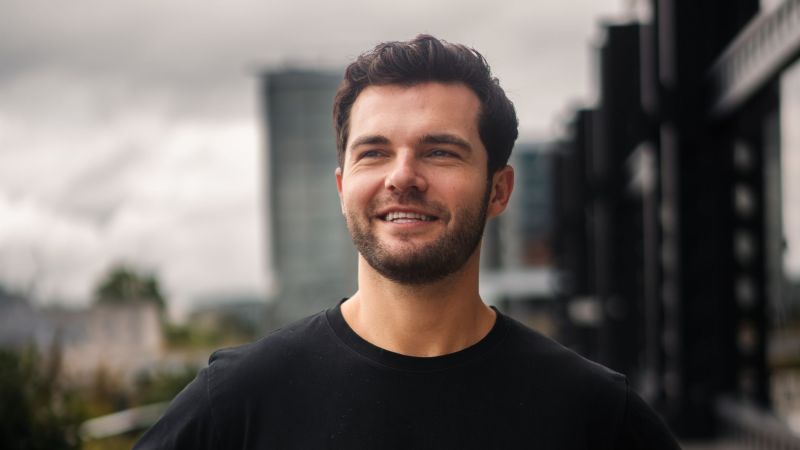
omnea-ben-freeman
Opinions expressed by Entrepreneur contributors are their own.
You're reading Entrepreneur United Kingdom, an international franchise of Entrepreneur Media.
One of the most common misconceptions in business is that founders and employees are fundamentally different types of people.
We celebrate entrepreneurs as if they’re a separate species who always knew they’d build companies. Spend time inside successful startups and you see something different. Many of the founders who go on to create category-defining businesses start out exactly where you’d expect: as ambitious employees learning how great companies are built.
This is increasingly visible across Europe’s technology ecosystem. Some of the continent’s most successful businesses, including Spotify, Klarna, Wise, Revolut and Monzo, have become what I think of as founder factories. Alongside building hugely successful companies in their own right, they have produced generations of founders who have gone on to create and scale the next wave of startups.
According to recent research from Accel and Dealroom, Europe and Israel are now home to more than 400 unicorn companies. I’m confident this number will continue to compound year over year as talent, experience and ambition keep flowing through the ecosystem.
I saw this first-hand during my time at Tessian. I joined before the company’s seed round when there were five people and spent four and a half years helping to grow the business from an early-stage startup into a global company backed by incredible investors including Sequoia, Accel and Balderton. Looking back, one of the most remarkable aspects of that journey wasn’t simply the growth of the business itself, but the quality of the people who chose to build it. Former colleagues have since gone on to found companies including ElevenLabs, Maze, Tracebit and many others. I eventually joined that list when I left to found Omnea.
Almost none of these people arrived with a startup idea. What they had were traits. At Omnea we hire for traits over skills, and the traits that make exceptional employees are the same ones that can sometimes make future founders: caring disproportionately about your career and the impact you’ll have, and being willing to make significant sacrifices for those things. In interviews I often ask people the most impressive thing they’ve ever done. The answers tell you a lot. I’m looking for people who have done genuinely hard things. It doesn’t matter whether it’s academia, business, sport, or anything else. Those are the people who can create enormous value inside a company long before they ever start one.
The pitfalls of treating entrepreneurial ambition as a risk
Despite this, most organisations are still uncomfortable talking to their employees about entrepreneurship. Ambitious people learn to keep aspirations to themselves. They worry that voicing them too loudly will make others question their commitment. Managers worry the conversation itself accelerates a departure. So entrepreneurship becomes a secret, discussed with everyone except the people best placed to help.
When I left Tessian to start Omnea, the journey was harder than it needed to be. Many of the people I’d worked alongside were willing to back me. Some later became angel investors, others helped with introductions and advice. But when I was actually making the decision to start a company, none of that support was visible to me. I spent months pitching strangers while already knowing a network of people who understood exactly how I worked and what I was capable of. That’s an odd way for an ecosystem to operate.
The people best positioned to back future founders are the ones who’ve spent years working beside them. They hold something you can’t get from a pitch deck: a track record. They know how somebody performs under pressure, how they make decisions, and whether they have the resilience to survive uncertainty. Yet very few companies encourage aspiring founders to build those support networks before they leave.
At Omnea we’ve deliberately built the opposite culture. We’re obsessive about what we call mutual fit. We’ll happily spend 10 to 20 hours with a candidate working out whether this is the right chapter of their career, and sometimes the honest conclusion is that they should go and start their business now rather than join us. Plenty of people at Omnea joined on the second or third attempt, when the timing was right. And once someone’s in, I’m relaxed about them treating Omnea as the place they hone their craft before founding something of their own. There must be very lucky people out there who know exactly how they want to spend their lives. I’ve never been one of them, and I don’t expect it of anyone else. What I want is people with high conviction that for the next few years, this is it. The duty is then on us to perform so well they’d be mad to leave.
That openness doesn’t cost you commitment. It buys it. The people who aspire to found companies are the ones who throw themselves hardest at the problems in front of them. They seek out responsibility and want to understand how every part of the business works. And they engage more, not less, when they’re trusted to think honestly about their careers instead of pretending they don’t have one beyond their current role.
Great companies don’t retain talent. They compound it.
Silicon Valley has understood this for decades. The PayPal Mafia built an extraordinary network of founders, investors and operators whose influence went far beyond PayPal itself. Europe is now developing the same alumni networks around its own generation of winners. Former employees launch companies. They angel-invest. They advise younger founders and hire the people they trust. The experience gained in one generation of successful companies becomes the foundation of the next. Founder factories aren’t a by-product of successful ecosystems; they’re one of the reasons ecosystems succeed.
So this year we put our money behind that belief. We launched Omnea’s Future Founders Fund in partnership with Firedrop. Anyone who has been at Omnea for five years can pitch the fund once and receive $250k in seed funding to start their own company, alongside workspace, operational support and coaching from ours and Firedrop’s network of operators. There’s no cap on how many founders we back in a year.
This isn’t a marketing stunt, and it isn’t a perk designed to flatter people out the door. It’s the logical end point of how we hire. We spend an enormous amount of time getting to know people before they join. After that, we’re all in on them, and that shouldn’t stop the day they leave. I’d rather our best people talked about founding openly with us, years in advance, than whispered about it in private and then pitched strangers the way I did.
If Europe wants to produce the next generation of category-defining companies, more businesses need to embrace this. The most enduring companies won’t only be remembered for the products they built or the revenue they generated. They’ll be remembered for the founders, leaders and builders they created long after those people moved on.
One of the most common misconceptions in business is that founders and employees are fundamentally different types of people.
We celebrate entrepreneurs as if they’re a separate species who always knew they’d build companies. Spend time inside successful startups and you see something different. Many of the founders who go on to create category-defining businesses start out exactly where you’d expect: as ambitious employees learning how great companies are built.
This is increasingly visible across Europe’s technology ecosystem. Some of the continent’s most successful businesses, including Spotify, Klarna, Wise, Revolut and Monzo, have become what I think of as founder factories. Alongside building hugely successful companies in their own right, they have produced generations of founders who have gone on to create and scale the next wave of startups.

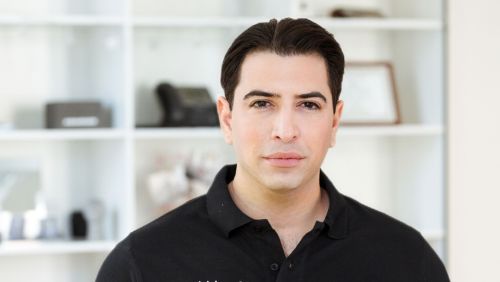
Ben Freeman • Founder and CEO of Omnea
Ben Freeman is founder and CEO of Omnea, the agentic operating system for procurement and... Read more