Markus Kumpula on Why Authentic Arctic Documentary Storytelling Begins Long Before the Camera Starts Rolling
Experiences such as these illustrate how local expertise may enrich storytelling while helping productions make informed creative decisions about what is realistically achievable in demanding environments.
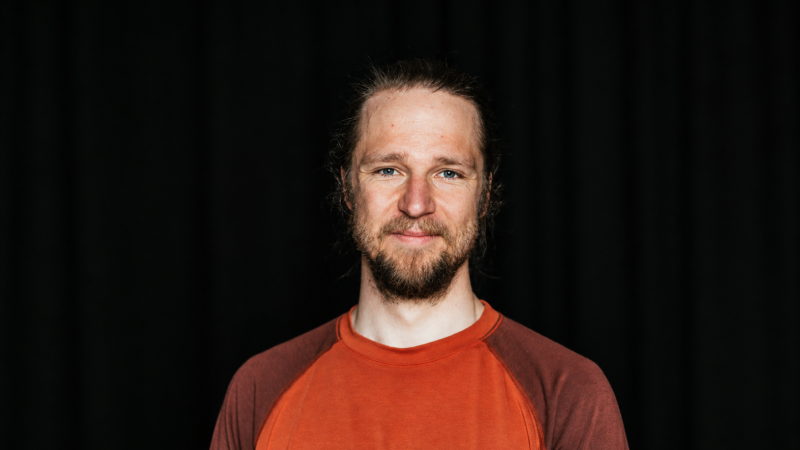
Markus Kumpula
You're reading Entrepreneur United Kingdom, an international franchise of Entrepreneur Media.
The global documentary film and series market is expanding, with projections estimating its value will reach $9.54 billion by 2034. This growth reflects a shift in how audiences engage with nonfiction work, favoring stories that offer depth. Within this changing landscape, Markus Kumpula, filmmaker, wilderness guide, and founder of House of Kumpula, argues that technical skill alone cannot define the future of adventure documentaries.
He says, “When being in Arctic conditions is your day-to-day, operating there as a professional becomes like a routine. The hardships are not hardships, they are just daily life.” He notes that filmmakers who understand the environments they enter will lead the genre because in remote landscapes every choice is dictated by nature. Authenticity begins long before a camera is lifted.
His background allows him to view remote landscapes through both a filmmaker’s creative lens and a guide’s practical understanding, creating a perspective that extends beyond camera operation alone. “Nature writes the first version of every production schedule,” Kumpula says. “The camera simply joins the conversation when the conditions allow it.”
That philosophy becomes especially relevant in Arctic productions, where assumptions formed elsewhere often meet a very different reality. Kumpula observes that many people associate successful filming with sophisticated equipment and technical expertise. His experience suggests the environment itself influences almost every creative and operational decision, from travel routes and shooting schedules to camera placement and team safety.
“Weather patterns, terrain, snow conditions, and changing light may require productions to adapt several times throughout a single day. Preparation therefore becomes an ongoing process that extends well beyond conventional contingency planning,” Kumpula explains. Experience gained through years of working in these conditions also develops instincts that are difficult to replicate during a short production visit.
Those instincts can contribute to creative outcomes alongside operational decisions. During one production, Kumpula’s knowledge of ice climbing informed the design of an entire filming sequence, helping the team identify locations, logistics, safety and visual compositions that complemented both the story and the surrounding landscape.
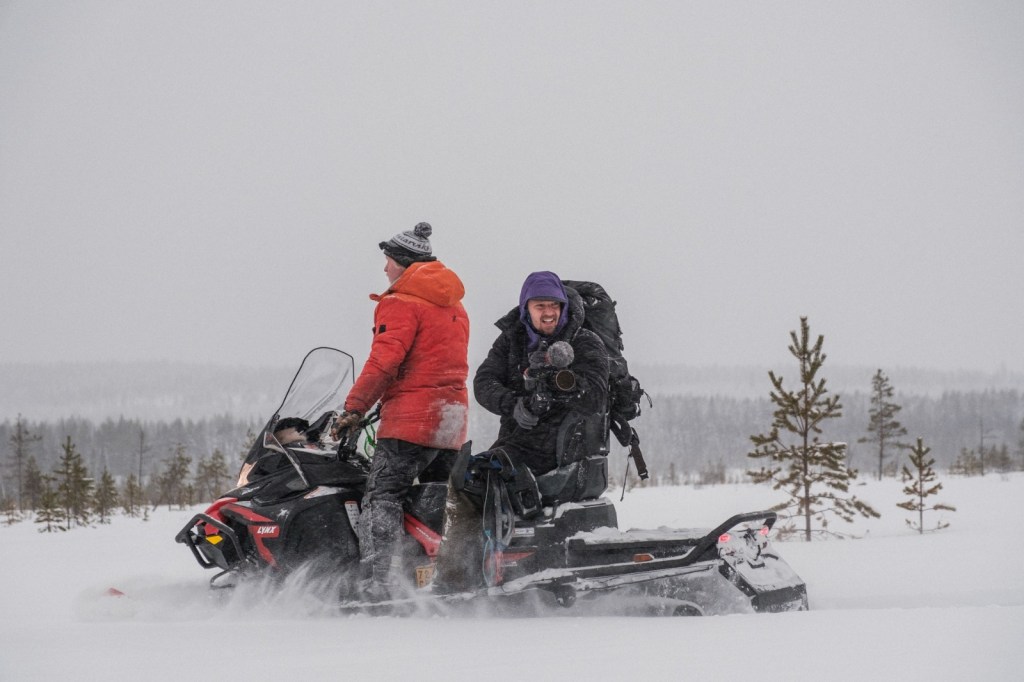
(Photographer: Arto Rajanen)
Experiences such as these illustrate how local expertise may enrich storytelling while helping productions make informed creative decisions about what is realistically achievable in demanding environments. As more international productions explore remote regions, this combination of practical knowledge and creative collaboration could become an increasingly valuable part of documentary filmmaking.
That relationship between environment and storytelling naturally extends to the stories themselves. Adventure filmmaking today spans short-form videos, medium-length documentaries, and premium long-form productions. Shorter videos continue to attract strong audience engagement across digital platforms, illustrating how viewing habits continue to diversify. Expanding formats create new opportunities for filmmakers to share outdoor experiences with wider audiences while encouraging fresh creative experimentation.
As storytelling becomes more accessible through evolving technology, Kumpula believes audiences continue to value stories that reveal the people behind remarkable achievements. Adventure films often celebrate memorable moments, yet every expedition, ascent, or wilderness journey usually represents years of preparation, learning, and personal commitment. In his experience, those deeper narratives frequently provide the emotional foundation that allows viewers to connect with a story long after the expedition itself has concluded.
“A climbing route can be established in a day or two,” he says. “The story often begins years earlier, through countless choices that prepared someone for those achievements.” That perspective also broadens the range of stories worth telling.
Across northern regions, Kumpula has built relationships with adventurers, guides, indigenous locals, craftspeople, and outdoor professionals whose lifelong dedication rarely reaches major documentary productions, despite experiences that offer meaningful insight into resilience, curiosity, and humanity. He reflects, “One of the many things people don’t know is that there is an indigenous culture, called Sámi, well alive in the Arctic region possessing depths of knowledge. Living alongside them, you are not only learning about the environment, but about a way of living. We are all part of our environment; it is our home. Therefore, we must all respect it and have humility towards one another.”
He suggests that documentary filmmaking has an opportunity to celebrate these life lessons alongside remarkable accomplishments, allowing audiences to appreciate the process, the relationships, and the connection between people and place.
House of Kumpula reflects this philosophy by combining visual storytelling with practical field experience. Productions benefit from creative collaboration informed by familiarity with local conditions and people, while stories gain additional depth through an understanding of the environments where they unfold. That combination encourages filmmakers to consider logistics, safety, creative direction, and environmental awareness as interconnected elements of the same storytelling process.
Ultimately, for Kumpula, authentic Arctic filmmaking begins with respect for nature, for the people who spend their lives within it, and for the patience required to understand both. As documentary audiences continue exploring stories from increasingly remote places, he believes creators who combine technical excellence with lived experience, curiosity, and humility may contribute narratives that resonate well beyond the final frame.
The global documentary film and series market is expanding, with projections estimating its value will reach $9.54 billion by 2034. This growth reflects a shift in how audiences engage with nonfiction work, favoring stories that offer depth. Within this changing landscape, Markus Kumpula, filmmaker, wilderness guide, and founder of House of Kumpula, argues that technical skill alone cannot define the future of adventure documentaries.
He says, “When being in Arctic conditions is your day-to-day, operating there as a professional becomes like a routine. The hardships are not hardships, they are just daily life.” He notes that filmmakers who understand the environments they enter will lead the genre because in remote landscapes every choice is dictated by nature. Authenticity begins long before a camera is lifted.
His background allows him to view remote landscapes through both a filmmaker’s creative lens and a guide’s practical understanding, creating a perspective that extends beyond camera operation alone. “Nature writes the first version of every production schedule,” Kumpula says. “The camera simply joins the conversation when the conditions allow it.”
Entrepreneur UK
Entrepreneur Staff