What needs to change to make business success more accessible to women
Despite the progress we’ve made, the road to business success for women is still full of hurdles.
GLAS
Opinions expressed by Entrepreneur contributors are their own.
You're reading Entrepreneur United Kingdom, an international franchise of Entrepreneur Media.
In 2024, only 2% of UK private equity investment went to all-female founder teams; despite women-led businesses consistently showing higher returns on investment, all-male teams secured a staggering 81% of the funding.
Starting with just £6,000, I built my company, GLAS – which pioneered debt administration and trustee services in an area previously dominated by banks – from the ground up. My journey wasn’t without its struggles — securing my first deal took 400 business meetings — but the perseverance paid off. Today, GLAS has over $500 billion in assets under administration globally, and generated over £100m in turnover last year. While my story may demonstrate the power of resilience, it also highlights a harsh truth; as women, we’re often judged more critically than our male colleagues and are expected to work twice as hard to prove our worth. Women remain underrepresented at every level of leadership; the higher up the corporate ladder you go, the fewer women you see. And for those who set out to build their own businesses? It takes money, time, and networks, all of which are far less accessible to women. Women have every right to take up space in business; our voices deserve to be heard. So, what needs to change? Here are the things I’ve learned so far.
Solving the gender pay gap goes beyond salary disparity
In 2024, the gender pay gap in the UK stood at 13.1% — only a marginal improvement from 14.2% in 2023. This gap means women start out with smaller financial safety nets, and have less room for error. Men tend to be able to take bigger risks, absorb failures, and bounce back quicker. Even when women do break into leadership roles, workplace culture can make it hard to stay. Microaggressions are still rampant, especially for LGBTQ+ women and those with disabilities. And just as remote work was helping to level the playing field, many companies have introduced return-to-office mandates. This rollback on flexibility isn’t just bad for women, it’s bad for business. Supporting a more diverse leadership means better decision-making, stronger performance, and higher profitability.
Working for yourself or starting your own business also comes with its own challenges. The introduction [and subsequent U-turn] on policies that overwhelmingly disadvantage women, such as the changing benchmarks for what constitutes a “high net worth individual”, shows there is still systemic misunderstanding of what’s needed to support women in business. Tackling this can’t be a tick-box exercise. It needs to be meaningful, and it needs to be industry-wide. Leaders must be equipped to recognise and counteract bias in hiring, promotions, and decision-making, and go beyond just putting diversity training into place.
Companies need to implement workplace benefits that allow women to succeed; flexible working, menopause support, and childcare policies shouldn’t be “nice-to-haves.” For example, better workplace support for men is needed. The impact of the motherhood penalty versus the fatherhood bonus is real, and awareness alone isn’t enough to tackle this. Strengthening paternity leave policies means men are encouraged to share caregiving responsibilities, meaning women aren’t forced to choose between their careers and their families.
Closing the Funding Gap
The gender investment disparity is shocking and yet, despite the barriers they face, female-led companies outpaced their male counterparts in turnover growth last year, surging from 14.8% in 2023 to 24.6% in 2024. If women were able to launch and scale companies at the same rate as men, it could add a staggering £250 billion to the UK economy. Women-led businesses are still seen as “riskier”, despite all evidence to the contrary. This bias skews funding decisions and limits opportunities for women entrepreneurs. On top of this, many women don’t have the same investor connections as men.
To break this cycle, investors must take responsibility for recognising and counteracting bias in funding decisions. Supporting more women into investment roles will help to create a positive cycle where more capital flows into female-led businesses, generates more success stories and, in turn, more female investors. Women investors are twice as likely to back female-led businesses compared to men, but therein lies the catch-22; to invest, women first need to thrive in business themselves.
Finally, we need to see the right policies in place that support women to succeed – we don’t need another “High Net worth individual” situation. If government is serious about reinvesting in Britain’s economy, they need to listen to female entrepreneurs. In today’s turbulent economy, supporting a system that only benefits 50% of the country’s population isn’t enough.
Visible role models, mentorship and support networks
At the current pace of change, it will take 22 years for white women to reach parity in leadership, and more than twice as long for women of colour. Women face a “broken rung” in career progression, as they are less likely to be promoted from entry-level positions to the first level of management, hindering their progression into senior leadership roles. This shows the importance of having visible role models to inspire younger women.
Helping women build a community of likeminded women fosters collaboration, amplifies female voices, and recognises and celebrates their achievements. This motivates future generations and provides them with visible role models, helping them envision themselves in positions of success. After all, we can’t be what we can’t see.
Despite proof of the value of mentorship for career success, many companies have started cutting back on career development programs, leaving women with fewer opportunities to build a professional support system.
It’s more important than ever to build these communities: for those of us who may not have had role models to look up to earlier on in our careers, it’s a chance to become ones that our younger selves craved. Women don’t need more promises and tokenism. We need action.
As we continue to see a worrying rollback of inclusion initiatives, everyone from businesses to investors to policymakers have a role to play in breaking down the barriers holding women back. By pushing for equity in funding, pay, and opportunities, we’re not just supporting women and creating a more equal and inclusive society – we’re also fuelling economic growth and innovation.
Change can’t wait until tomorrow – it needs to happen now.
In 2024, only 2% of UK private equity investment went to all-female founder teams; despite women-led businesses consistently showing higher returns on investment, all-male teams secured a staggering 81% of the funding.
Starting with just £6,000, I built my company, GLAS – which pioneered debt administration and trustee services in an area previously dominated by banks – from the ground up. My journey wasn’t without its struggles — securing my first deal took 400 business meetings — but the perseverance paid off. Today, GLAS has over $500 billion in assets under administration globally, and generated over £100m in turnover last year. While my story may demonstrate the power of resilience, it also highlights a harsh truth; as women, we’re often judged more critically than our male colleagues and are expected to work twice as hard to prove our worth. Women remain underrepresented at every level of leadership; the higher up the corporate ladder you go, the fewer women you see. And for those who set out to build their own businesses? It takes money, time, and networks, all of which are far less accessible to women. Women have every right to take up space in business; our voices deserve to be heard. So, what needs to change? Here are the things I’ve learned so far.
Solving the gender pay gap goes beyond salary disparity
In 2024, the gender pay gap in the UK stood at 13.1% — only a marginal improvement from 14.2% in 2023. This gap means women start out with smaller financial safety nets, and have less room for error. Men tend to be able to take bigger risks, absorb failures, and bounce back quicker. Even when women do break into leadership roles, workplace culture can make it hard to stay. Microaggressions are still rampant, especially for LGBTQ+ women and those with disabilities. And just as remote work was helping to level the playing field, many companies have introduced return-to-office mandates. This rollback on flexibility isn’t just bad for women, it’s bad for business. Supporting a more diverse leadership means better decision-making, stronger performance, and higher profitability.
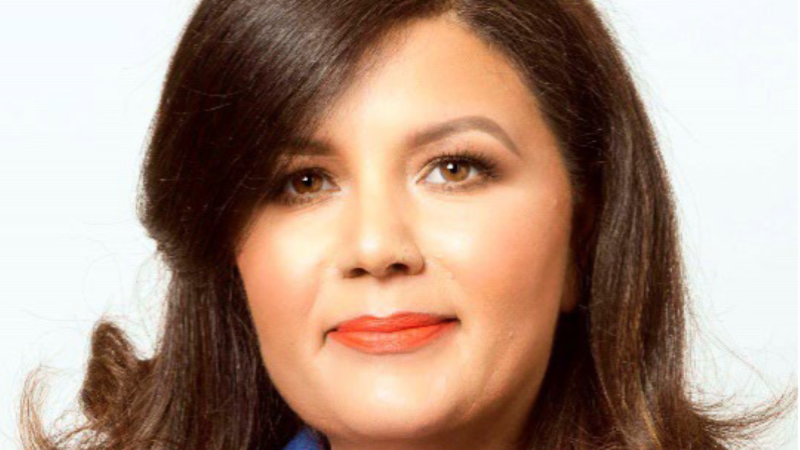
Mia Drennan • Founder, co-executive chair, and group president of GLAS
Mia Drennan is the founder, co-executive chair, and group president of GLAS (Global Loan Agency... Read more