Diversity in Entrepreneurship
Ever wonder how diversity really impacts business?

Female Advisory Board
Opinions expressed by Entrepreneur contributors are their own.
You're reading Entrepreneur United Kingdom, an international franchise of Entrepreneur Media.
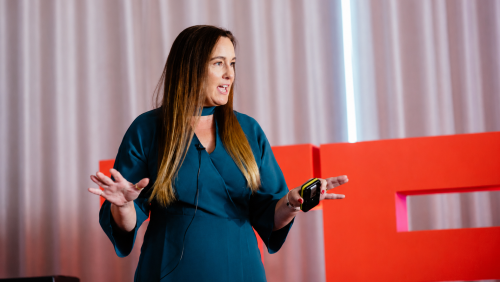
Samantha Addy, the founder of the Female Advisory Board (FAB), the UK’s first all-female peer advisory board, is here to give us some insight. FAB is all about bringing together women in business to support one another, share experiences, and push through the barriers that often hold us back.
In this conversation with Entrepreneur UK, Samantha talks about why it’s so important for businesses to think beyond just ticking boxes when it comes to diversity. It’s not just about numbers — it’s about creating an environment where everyone feels supported and can thrive. From offering flexible hours to making simple changes like providing period products, she explains how small tweaks can make a big difference.
But it’s not all smooth sailing. There are definitely some challenges, especially when it comes to changing old habits and overcoming resistance. Still, as Samantha points out, businesses that embrace diversity see huge benefits- better decision-making, happier teams, and ultimately, more success. So, how can we make diversity a real priority in business? Samantha has some ideas, and trust us, it’s not as hard as it might seem. Let’s dive in and see how we can all be part of the change.
How can businesses ensure diversity is woven into every part of their business?
To be truly inclusive, businesses must recognise that one shoe does not fit everyone comfortably. By understanding the unique challenges faced by different employee groups and adapting accordingly is key. Women, for example, have different needs than men, so an environment that only supports one group alienates the other. Women often shoulder more caregiving responsibilities for children and elderly parents. Their bodies are also different, and re-entering the workforce after having children can be challenging. Additionally, with one in four women experiencing domestic violence, there will be many employees dealing with these personal issues at work.
Creating a more diverse and inclusive workforce happens naturally when you listen to employees’ needs. Simple measures like scheduling board meetings around school drop-off times, providing period products in restrooms, offering flexible work options, and implementing wellbeing policies can make a significant impact. Research shows that diverse management teams see 19% higher revenue, as varied perspectives enhance decision-making and better connect with a broader customer base. Without diversity, businesses struggle to understand and cater to diverse audiences.
What challenges do businesses face when creating a more inclusive business model?
One of the biggest challenges businesses face when creating a more inclusive business model is changing deeply ingrained traditional practices, especially in more established organisations. Unpicking these practices and shifting the entire culture can be difficult, particularly when there is resistance to change. The debate around remote working post-Covid also complicates the issue, as some companies struggle with trust and managing employees outside of traditional office environments. Resistance to change can be exacerbated by unconscious biases, communication barriers, and concerns about tokenism.
Additionally, businesses often struggle with inequitable career advancement, especially for women who may not feel they meet every qualification on a job listing, unlike men who tend to apply with fewer qualifications; resulting in limited opportunities for underrepresented groups. Cultural integration and the balancing of diverse perspectives within a workplace can be a challenging process, especially if businesses fail to provide proper support or foster an inclusive environment.
Despite these challenges, businesses that embrace diversity from the top down ultimately benefit from higher employee satisfaction, better retention, and greater interest from top talent. A commitment to inclusivity creates a healthier workplace and positively impacts the bottom line.
What can be done to facilitate more diversity in business in the UK?
To facilitate more diversity in business in the UK, change needs to begin within organisations themselves. Businesses must first understand the barriers that prevent diversity and take meaningful steps to address them. This includes implementing inclusive hiring practices, offering equitable career advancement opportunities, and ensuring that workplace cultures are supportive of all employees, regardless of background. By identifying and addressing these obstacles, businesses can create a more inclusive environment that welcomes a diverse range of talent.
However, progress towards diversity cannot rely solely on individual businesses. A wider societal shift is also necessary to foster greater diversity across all sectors. There is currently a growing issue of DEI fatigue, with many feeling overwhelmed by the magnitude of the challenge and discouraged by negative rhetoric from high-profile figures. Discouragement often leads to apathy, with some asking, “Why should I care if it doesn’t directly affect me?” In reality, diversity impacts everyone, including men who want to see change for their partners, family, and friends. Without collective action, the gap in gender equality will continue to widen.
Although the scale of change may seem daunting, businesses, investors, and governments must not be deterred. The rhetoric surrounding diversity can be discouraging, but that should not stop businesses from making impactful changes within their reach. It is critical for these stakeholders to hold themselves accountable and actively work toward meaningful DEI outcomes. In doing so, they can help drive systemic change and inspire others to take action. While wider societal change is important, it is the responsibility of businesses to take tangible steps toward creating a more inclusive and diverse workforce.
Samantha Addy, the founder of the Female Advisory Board (FAB), the UK’s first all-female peer advisory board, is here to give us some insight. FAB is all about bringing together women in business to support one another, share experiences, and push through the barriers that often hold us back.
In this conversation with Entrepreneur UK, Samantha talks about why it’s so important for businesses to think beyond just ticking boxes when it comes to diversity. It’s not just about numbers — it’s about creating an environment where everyone feels supported and can thrive. From offering flexible hours to making simple changes like providing period products, she explains how small tweaks can make a big difference.
But it’s not all smooth sailing. There are definitely some challenges, especially when it comes to changing old habits and overcoming resistance. Still, as Samantha points out, businesses that embrace diversity see huge benefits- better decision-making, happier teams, and ultimately, more success. So, how can we make diversity a real priority in business? Samantha has some ideas, and trust us, it’s not as hard as it might seem. Let’s dive in and see how we can all be part of the change.