Why this room mattered
Women founders discuss resilience, failure, and ambition at MR PORTER Bar & Restaurant
Opinions expressed by Entrepreneur contributors are their own.
You're reading Entrepreneur United Kingdom, an international franchise of Entrepreneur Media.
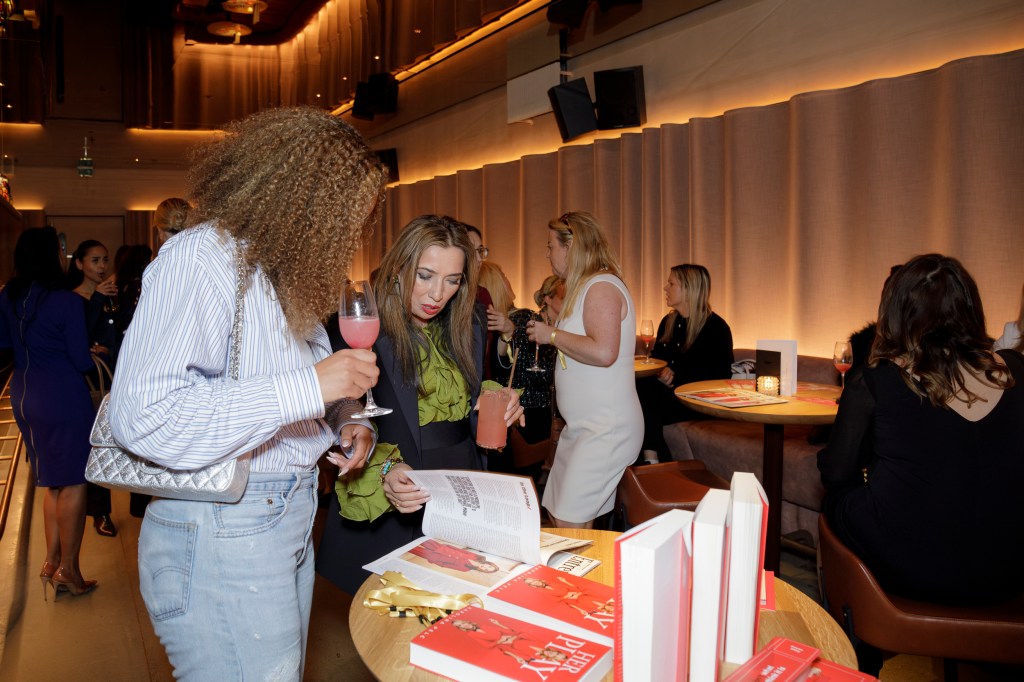
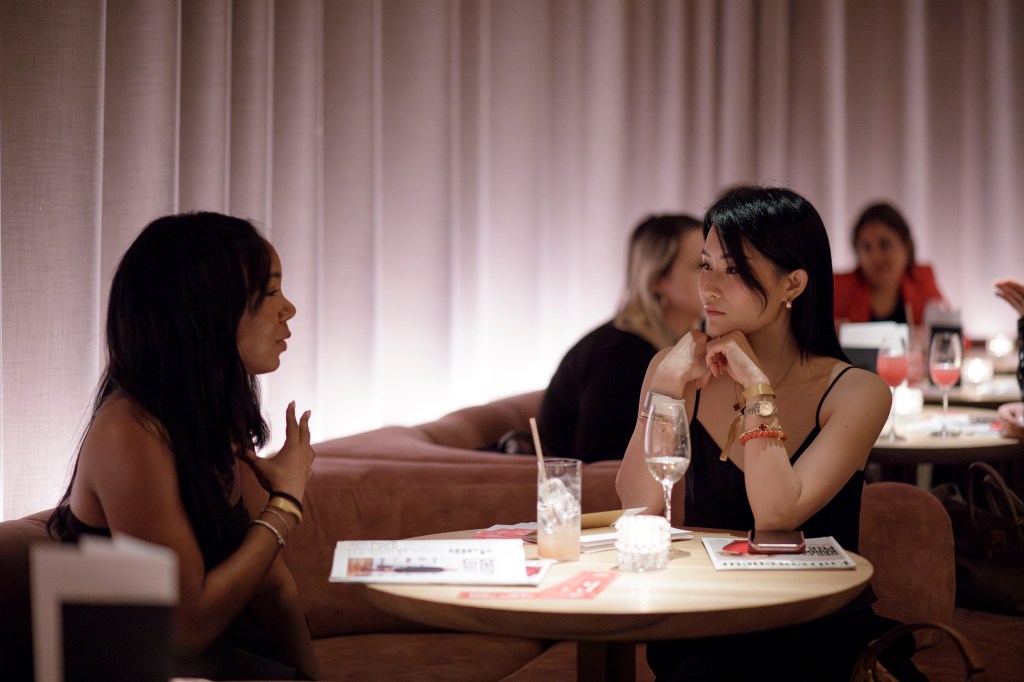
On 16 April at an Entrepreneur UK Women in Entrepreneurship event hosted at MR PORTER Restaurant, Bar and Lounge in London, the room was already active before the formal start. Approximately 70 female founders and businesswomen attended, though “attended” feels too static for what was, in practice, a constant undercurrent of conversation. There was no attempt to stage the atmosphere. Guests spoke in the shorthand of working constraints – time, funding cycles, hiring pressure, and uneven growth. It felt less like networking and more like proximity – people building in parallel, under similar conditions, with very different outcomes. Not a format you come across often.
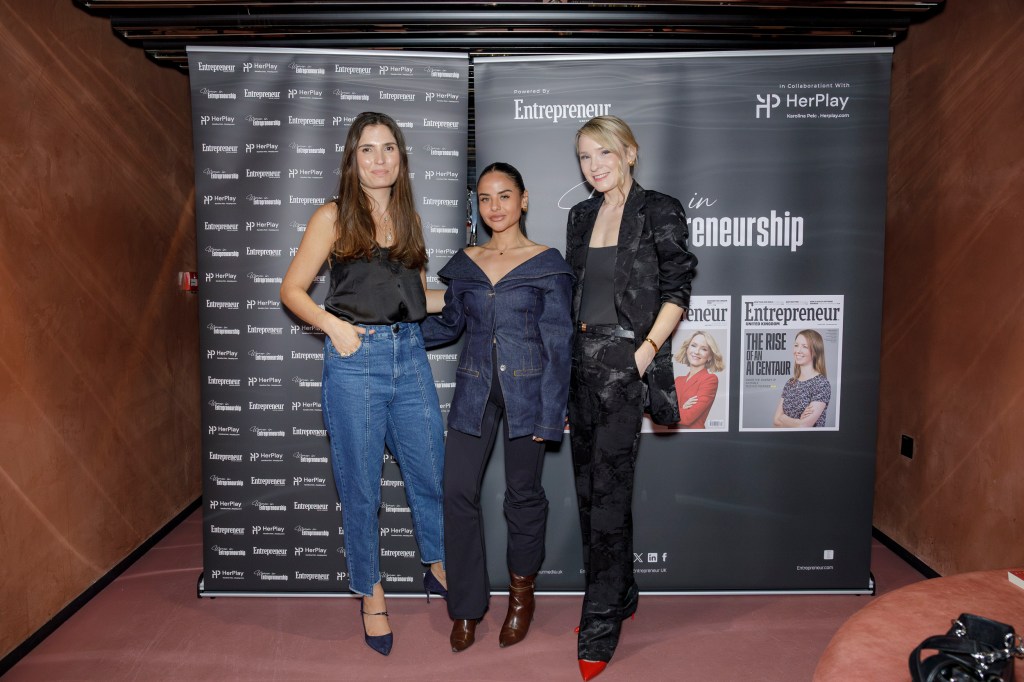
Photography: Charlie Burgio – charlieburgio.com
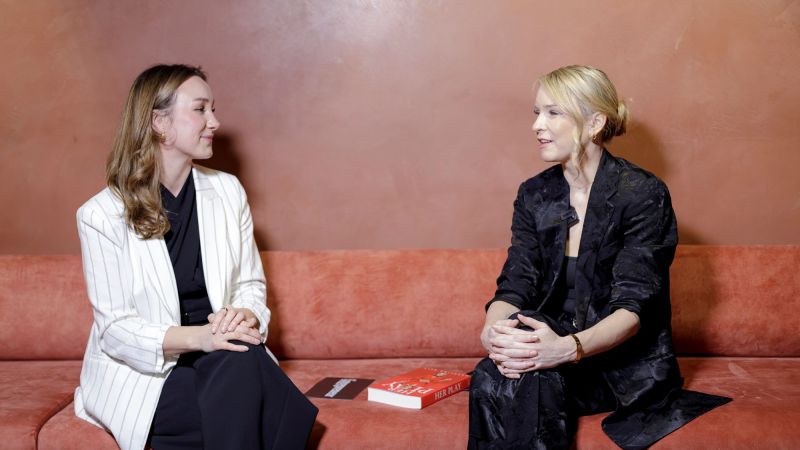
Three female founders spoke over the course of the evening, each approaching the realities of building and sustaining a business from a different angle. “What if you fail? But what if you fly?” These were the words of Karolina Pelc, author of Her Play, who opened the evening by pushing back against one of the more persistent simplifications attached to entrepreneurial success. “People said I got lucky,” she said. “But my success was 20 years in the making.” She did not frame it as rebuttal, more as correction. “Nothing about it was luck,” she added. “I did the homework – strategically, legally, commercially.” The phrasing remained deliberately plain. It sat against the familiar tendency to narrate exits after the fact – compressed into timing, stripped of everything that led up to them. “Did you get lucky,” she asked the room, which was notably full, “or did you create the conditions for luck?” The question was not developed further. It did not need to be. Pelc’s own trajectory, as she outlined it, resisted any clean linear reading. “I’m tired of the same narrative of success,” she said. “Mine started dealing cards in post-communist Poland.” She relocated on multiple occasions. “Every time I moved countries, it was because I wanted more. It wasn’t easy – but it was necessary.” She said she’s likely made more mistakes than she has done things right, but what matters is how she’s handled them. Her final point was direct “Don’t let the b***ards grind you down.”
Lara Acosta, a LinkedIn growth strategist and personal branding expert, followed. “I think everything I’ve done comes down to being audacious – and a little bit delusional,” she said. “What stopped me wasn’t opportunity,” she added. “It was imposter syndrome.” There was no elaboration. “Women have the energy. We create things. We just don’t always back ourselves. I focused on my skills until I became undeniably good.” Acosta’s network didn’t simply open doors; it changed how her work was received, and the scale at which she could operate. The room itself resisted any clear separation between speaker and audience. Next up was Marine Tanguy, founder of MTArt Agency. She widened the frame without shifting its register. “I love the optimism of someone trying to do something that feels impossible,” she said, “and yet only 2% of investment goes to female founders.” The two statements were left unresolved, with no attempt to reconcile them. Her reference points came less from abstraction than from long exposure to structural imbalance. “I’ve been in the art world for 18 years,” she said. “It was – and often still is – male-dominated.” Her time in Los Angeles surfaced briefly, for context.
“In LA, as a woman, you’re expected to present yourself in a certain way,” she said. “At 23, I found that slightly soul-crushing.” However there were positives to this. “But LA removes hesitation. Everyone pushes themselves forward – so you learn to do the same. I’m very direct,” she said. “It’s not always considered ‘feminine’- but it’s necessary.” What gradually emerged from the speakers was not a shared message but a shared condition: building under uncertainty, operating with incomplete information, moving between visibility and invisibility depending on stage and scale. By the time the formal part of the evening had ended, there was no clear transition out of it. Conversations simply continued for drinks and canapes at MR PORTER Restaurant, Bar & Lounge. There was no closing statement. No summary of events at the Women in Entrepreneurship evening. The room stayed, in motion, conversations continuing, dispersing, re-forming elsewhere. The evening held different realities, described side by side in real time – something to be there for, rather than read about. Keep an eye out for future Entrepreneur UK events.
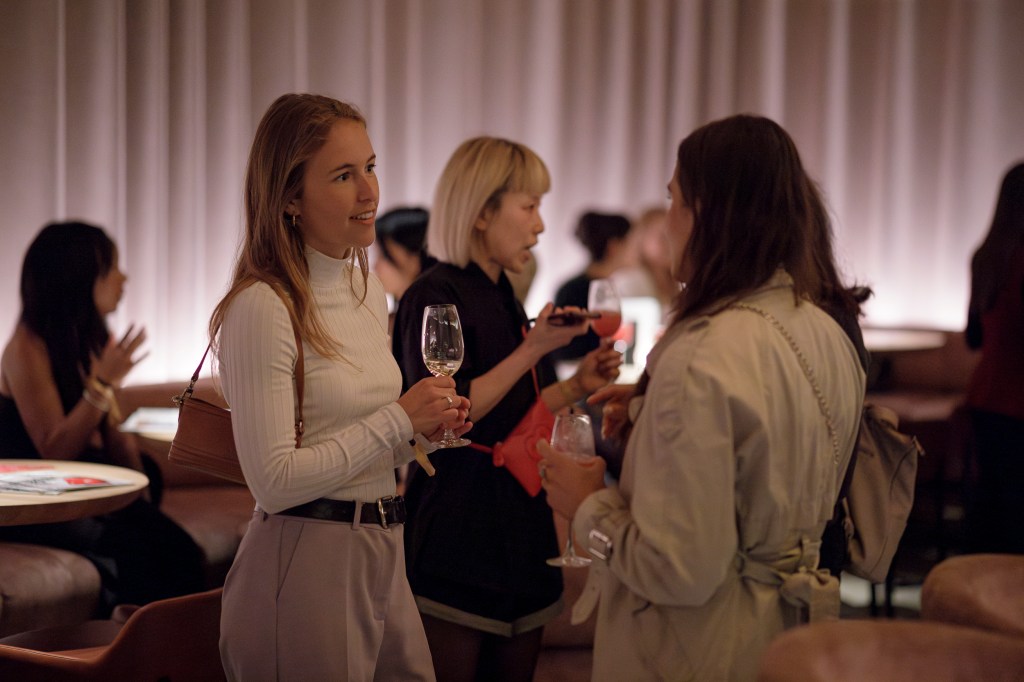
On 16 April at an Entrepreneur UK Women in Entrepreneurship event hosted at MR PORTER Restaurant, Bar and Lounge in London, the room was already active before the formal start. Approximately 70 female founders and businesswomen attended, though “attended” feels too static for what was, in practice, a constant undercurrent of conversation. There was no attempt to stage the atmosphere. Guests spoke in the shorthand of working constraints – time, funding cycles, hiring pressure, and uneven growth. It felt less like networking and more like proximity – people building in parallel, under similar conditions, with very different outcomes. Not a format you come across often.
Photography: Charlie Burgio – charlieburgio.com
Three female founders spoke over the course of the evening, each approaching the realities of building and sustaining a business from a different angle. “What if you fail? But what if you fly?” These were the words of Karolina Pelc, author of Her Play, who opened the evening by pushing back against one of the more persistent simplifications attached to entrepreneurial success. “People said I got lucky,” she said. “But my success was 20 years in the making.” She did not frame it as rebuttal, more as correction. “Nothing about it was luck,” she added. “I did the homework – strategically, legally, commercially.” The phrasing remained deliberately plain. It sat against the familiar tendency to narrate exits after the fact – compressed into timing, stripped of everything that led up to them. “Did you get lucky,” she asked the room, which was notably full, “or did you create the conditions for luck?” The question was not developed further. It did not need to be. Pelc’s own trajectory, as she outlined it, resisted any clean linear reading. “I’m tired of the same narrative of success,” she said. “Mine started dealing cards in post-communist Poland.” She relocated on multiple occasions. “Every time I moved countries, it was because I wanted more. It wasn’t easy – but it was necessary.” She said she’s likely made more mistakes than she has done things right, but what matters is how she’s handled them. Her final point was direct “Don’t let the b***ards grind you down.”
Lara Acosta, a LinkedIn growth strategist and personal branding expert, followed. “I think everything I’ve done comes down to being audacious – and a little bit delusional,” she said. “What stopped me wasn’t opportunity,” she added. “It was imposter syndrome.” There was no elaboration. “Women have the energy. We create things. We just don’t always back ourselves. I focused on my skills until I became undeniably good.” Acosta’s network didn’t simply open doors; it changed how her work was received, and the scale at which she could operate. The room itself resisted any clear separation between speaker and audience. Next up was Marine Tanguy, founder of MTArt Agency. She widened the frame without shifting its register. “I love the optimism of someone trying to do something that feels impossible,” she said, “and yet only 2% of investment goes to female founders.” The two statements were left unresolved, with no attempt to reconcile them. Her reference points came less from abstraction than from long exposure to structural imbalance. “I’ve been in the art world for 18 years,” she said. “It was – and often still is – male-dominated.” Her time in Los Angeles surfaced briefly, for context.