The Circular Revolution
UK entrepreneur Phil Sutton is turning waste into opportunity. From recycled kerbs to circular packaging, he explains how start-ups can scale green technologies, navigate policy hurdles, and transform the future of the built environment.
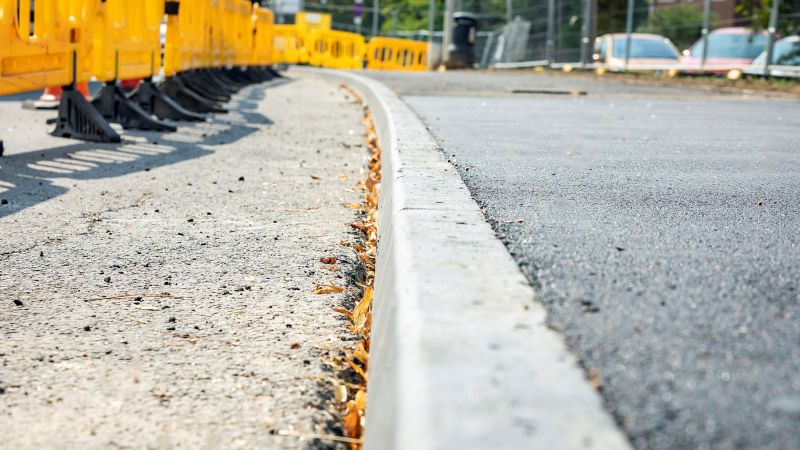
Duraproducts
WBC Plastic Kerbs
Opinions expressed by Entrepreneur contributors are their own.
You're reading Entrepreneur United Kingdom, an international franchise of Entrepreneur Media.
In the world of sustainability, innovation alone isn’t enough. You also need vision, persistence, and a knack for turning obstacles into opportunity. Phil Sutton, founder of multiple award-winning UK sustainability businesses, has spent over two decades doing just that. From pioneering recycled polymer kerbing at Duraproducts to developing end-to-end packaging solutions at Polytag, Sutton has built a career out of transforming waste into market-ready solutions.
A chartered scientist, inventor, and circular economy advocate, Sutton has seen the green sector evolve from niche concern to urgent business imperative. But as he explains in this interview, the biggest challenge for UK start-ups isn’t creating groundbreaking technology – it’s changing entrenched behaviours, streamlining administrative hurdles, and proving that sustainability can be both profitable and practical. Over the next five years, he predicts, these hurdles will shift, opening the door for a new era of integrated, circular supply chains and verified resource solutions that will redefine the UK’s climate-tech landscape. Entrepreneur UK finds out nore…
What are the biggest obstacles UK start-ups face when trying to scale green technologies, and how do you see these evolving over the next five years?
The primary barrier to scaling green technologies in the UK is rarely a lack of innovation, it’s creating new habits. In sectors like construction and infrastructure, we aren’t just competing against established products. We are fighting decades of standard operating procedures. To win, we have to stop asking – or expecting – people to ‘do the right thing’ and instead make the green choice the path of least resistance. Currently, we are in a reactive phase where organisations are looking to meet fast-approaching net-zero targets and regulatory deadlines. But over the next five years, that is going to start to change. We’ll start to see a change where sustainability is pushed from the very beginning, especially in construction projects.
A Greener CodeWhile green alternatives often carry a higher “gate price,” this is a narrow metric that ignores the full balance sheet. Because sustainable materials are typically lighter, safer, and faster to install, the initial “green premium” is effectively refunded through lower labour costs and onsite efficiency. As the carbon cost of traditional materials rises, the total cost of installation for green solutions will soon make them the only justifiable choice on the balance sheet. In the end, the companies that thrive won’t just be the ones with the best environmental credentials. They’ll be the ones who realise that the person on the ground doesn’t instantly want a ‘green’ product – they want a product that makes their workday easier, safer, and faster. If you can do both, you’ve won.
Which upcoming UK policies or initiatives do you think will have the most impact on climate-tech entrepreneurship?
The most transformative policy changes won’t be flashy incentives, instead they’ll be unglamorous administrative reforms. Currently, green businesses face a penalty: proving environmental credentials means navigating a labyrinth of certifications and assessments. Material Product Passports, Environmental Product Declarations, Whole-Life Carbon Assessments – each essential, each operating in isolation. If the UK government can harmonise these standards into a streamlined system, the impact will be hugely felt for scale-up businesses. Specifying sustainable materials becomes administratively easier for major contractors, making the green option the path of least resistance.
Looking ahead, what emerging technologies or business models do you believe will transform the UK’s green economy by 2030?
By 2030, the transformation of the UK’s green economy will be defined by a move from isolated innovation to fully integrated, closed-loop supply chains through industry collaboration. We are moving away from siloed thinking toward a model where every link in the chain – from initial design to eventual disposal – is streamlined and synchronised. The most disruptive innovation won’t just be the physical material itself, but the supply chain data touchpoints and recovery processes that keep those materials in circulation for longer. Crucially, I expect the next five years to bring a legislative environment that finally supports, rather than halts, this transition. We need policy to aid efficiency, where the administrative burden of proving a product’s sustainability is designed out of the system.
How can UK start-ups stay competitive internationally in the climate-tech sector, and what unique advantages does the UK offer for the next wave of innovation?
To remain competitive on a global stage, you have to look further down the road than you think is necessary. When I began exploring the potential of recycled polymers in 2003, plastic waste wasn’t the headline issue it is today. It was only viewed as a low-cost material booming in popularity. Survival and scaling in this sector depend on anticipating shifts in resource scarcity and regulation over the next decade. The UK’s unique advantage in this space is our world-class engineering capabilities twinned with an incredibly rigorous regulatory environment. By mastering the full lifecycle of a material – knowing exactly what it is, where it came from, and how it can be repurposed again – UK start-ups can offer the international market something far more valuable than just a “green” product. What they are really offering is a verified resource solution, one that delivers sustainability and long-term security to the built environment.
In the world of sustainability, innovation alone isn’t enough. You also need vision, persistence, and a knack for turning obstacles into opportunity. Phil Sutton, founder of multiple award-winning UK sustainability businesses, has spent over two decades doing just that. From pioneering recycled polymer kerbing at Duraproducts to developing end-to-end packaging solutions at Polytag, Sutton has built a career out of transforming waste into market-ready solutions.
A chartered scientist, inventor, and circular economy advocate, Sutton has seen the green sector evolve from niche concern to urgent business imperative. But as he explains in this interview, the biggest challenge for UK start-ups isn’t creating groundbreaking technology – it’s changing entrenched behaviours, streamlining administrative hurdles, and proving that sustainability can be both profitable and practical. Over the next five years, he predicts, these hurdles will shift, opening the door for a new era of integrated, circular supply chains and verified resource solutions that will redefine the UK’s climate-tech landscape. Entrepreneur UK finds out nore…
What are the biggest obstacles UK start-ups face when trying to scale green technologies, and how do you see these evolving over the next five years?
The primary barrier to scaling green technologies in the UK is rarely a lack of innovation, it’s creating new habits. In sectors like construction and infrastructure, we aren’t just competing against established products. We are fighting decades of standard operating procedures. To win, we have to stop asking – or expecting – people to ‘do the right thing’ and instead make the green choice the path of least resistance. Currently, we are in a reactive phase where organisations are looking to meet fast-approaching net-zero targets and regulatory deadlines. But over the next five years, that is going to start to change. We’ll start to see a change where sustainability is pushed from the very beginning, especially in construction projects.
A Greener CodeWhile green alternatives often carry a higher “gate price,” this is a narrow metric that ignores the full balance sheet. Because sustainable materials are typically lighter, safer, and faster to install, the initial “green premium” is effectively refunded through lower labour costs and onsite efficiency. As the carbon cost of traditional materials rises, the total cost of installation for green solutions will soon make them the only justifiable choice on the balance sheet. In the end, the companies that thrive won’t just be the ones with the best environmental credentials. They’ll be the ones who realise that the person on the ground doesn’t instantly want a ‘green’ product – they want a product that makes their workday easier, safer, and faster. If you can do both, you’ve won.

Patricia Cullen • Features Writer
Entrepreneur Staff