Lal Abdul Salam’s Journey From Young Engineer in Dubai to Leader in Reinforced Composite Manufacturing
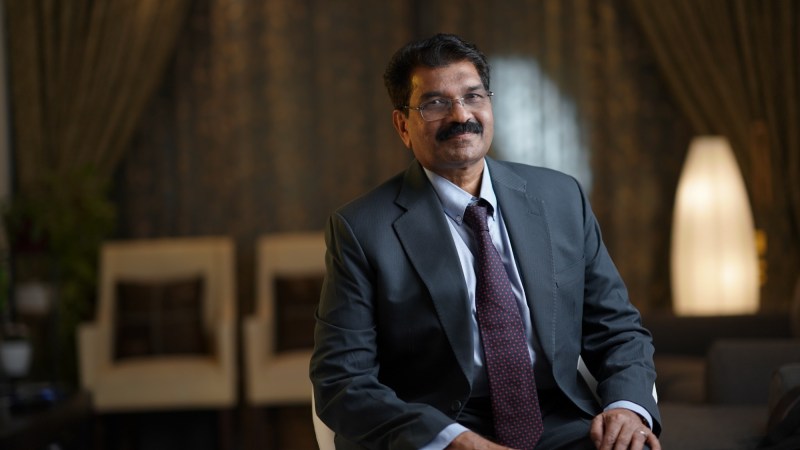
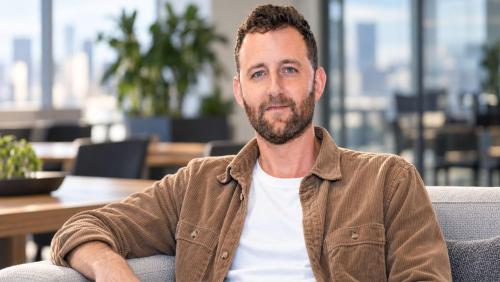
Lal Abdul Salam
When Lal Abdul Salam, founder of Smithline Reinforced Composites, arrived in Dubai in 1992 with a background in chemical engineering, the UAE was entering a period of rapid industrial and infrastructure expansion that would reshape the region over the following decades. Large-scale utility systems and urban development projects were beginning to accelerate across the Gulf, creating new demands on the industries supporting that growth. For Salam, those early years became less about pursuing a conventional engineering path and more about identifying where long-term industrial transformation was beginning to take shape.
Like many expatriate professionals entering the Gulf during that period, Salam arrived searching for an industry where his technical background could translate into long-term opportunity.
“At the beginning, experience was always the biggest challenge,” he says. “I came with an engineering background, but I understood very quickly that I needed to learn the market first before I could grow within it.”
After spending time in the chemical sector, Salam eventually entered the reinforced composites industry in the early 1990s through a manufacturing business focused on utility piping systems. According to him, the sector was still relatively small at the time, with composite materials largely used for limited infrastructure applications. Yet the technical side of the industry immediately resonated with him.
He explains that the role exposed him to engineering development and the growing effort to expand composite materials into larger infrastructure applications. Salam says he became particularly interested in how reinforced composite systems could gradually replace conventional materials in water and utility networks operating in the Gulf’s demanding climate.
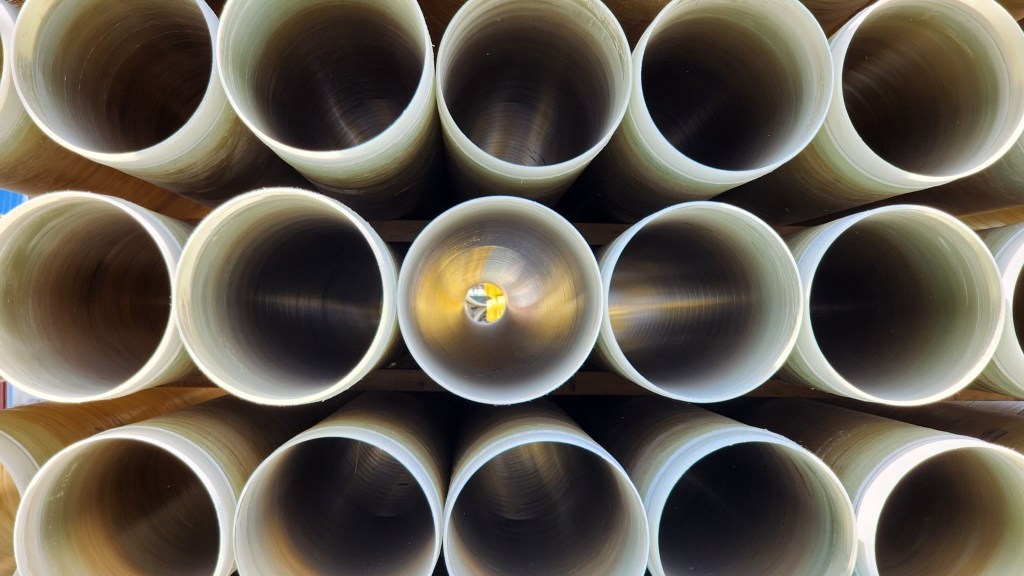
Smithline Reinforced Composites
Over time, that exposure shaped his understanding of where the industry was heading. According to Salam, utility infrastructure across the UAE began changing rapidly during the late 1990s and early 2000s as developers searched for materials that could perform reliably under long operating cycles and corrosive environmental conditions.
As the market evolved, Salam continued building technical experience across district cooling and industrial piping systems. He recalls participating in some of the UAE’s earlier district cooling infrastructure developments, a period he frames as an important turning point in understanding how reinforced composite systems could scale alongside regional growth.
“The infrastructure sector was changing very quickly during those years,” Salam says. “The projects were becoming larger, expectations were increasing, and the industry needed materials that could adapt to those requirements.”
By the mid-2000s, he had started considering entrepreneurship more seriously. Then came the global financial downturn in 2008. While many businesses approached the recession cautiously, Salam viewed the period differently. According to Salam, the uncertainty reinforced the need to build something independently while remaining closely connected to engineering development and research.
Rather than stepping away from the industry during a difficult economic period, Salam launched Smithline Reinforced Composites alongside a small team that had previously worked with him. He says the early operation began modestly with a compact factory setup and a limited production scale, while the company simultaneously handled site activities to maintain cash flow during its early years.
“There was uncertainty everywhere during that period,” Salam says. “But sometimes difficult situations also force people to think differently about growth and opportunity.”
According to him, one of the company’s defining principles became research and development. He says Smithline invested heavily in testing, engineering refinement, automation, and product adaptation even while operating at a smaller scale. That commitment later helped the company expand into specialized products and larger infrastructure applications.
Salam also focused on developing products tied to sustainability and industrial waste reduction. He explains that portions of manufacturing waste were later repurposed into alternative industrial applications, including composite manhole cover systems designed for infrastructure use across the region.
For Salam, long-term growth depended just as much on people as technology. He credits much of the company’s development to the team that helped build the business during uncertain periods, including employees who joined the company during its early stages and remained committed as operations expanded.
“I always believed trust is one of the biggest investments a company can make,” Salam says. “When people feel respected and supported, they take ownership of the work and push themselves to achieve more.”
According to him, supplier relationships also became an important part of the company’s growth strategy. Salam says maintaining consistent commitments to employees, suppliers, and clients helped Smithline navigate periods of supply chain disruption and market pressure while continuing to expand operations.
Over the years, Smithline Reinforced Composites grew from a small operation into a regional manufacturer serving infrastructure, cooling, utility, and industrial projects across the Gulf. Salam says the company is now preparing for further expansion within the UAE and Saudi Arabia while continuing to prioritize engineering development and sustainable manufacturing practices.
Even after decades in the industry, Salam still approaches the business with the same mindset that first drew him into reinforced composites during the early 1990s. “Every challenge can teach something valuable if people are willing to learn from it,” he says. “Our tagline is reinforcing the future, but this is only possible if we continue to improve, continue to innovate, and continue to invest in people.”
When Lal Abdul Salam, founder of Smithline Reinforced Composites, arrived in Dubai in 1992 with a background in chemical engineering, the UAE was entering a period of rapid industrial and infrastructure expansion that would reshape the region over the following decades. Large-scale utility systems and urban development projects were beginning to accelerate across the Gulf, creating new demands on the industries supporting that growth. For Salam, those early years became less about pursuing a conventional engineering path and more about identifying where long-term industrial transformation was beginning to take shape.
Like many expatriate professionals entering the Gulf during that period, Salam arrived searching for an industry where his technical background could translate into long-term opportunity.
“At the beginning, experience was always the biggest challenge,” he says. “I came with an engineering background, but I understood very quickly that I needed to learn the market first before I could grow within it.”