Are employee benefits fit for an ageing workforce?
Employees working longer means workplaces must adapt benefits for ageing workforce

Virgin
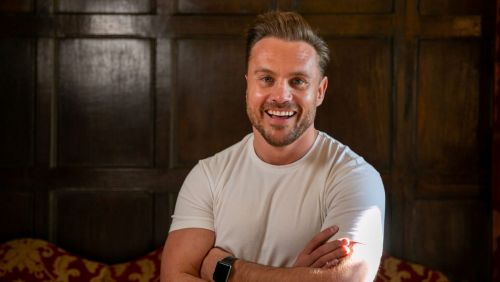
Jo Kansagra is Head of People at Virgin Incentives, Virgin Experience Days and Virgin Gifts.
Disclosure: Our goal is to feature products and services that we think you'll find interesting and useful. If you purchase them, Entrepreneur may get a small share of the revenue from the sale from our commerce partners.
You're reading Entrepreneur United Kingdom, an international franchise of Entrepreneur Media.
According to a report by Standard Life, employees are working later into life, with 50% of
employees expecting to work beyond their State Pension age. The cost of living is only
increasing, meaning the dream of retiring in the early sixties is becoming less realistic for
many. We’re also seeing an increasing trend of ‘unretirees’ – those who retired, but returned to
work as living on a pension, or without the income they are used to, is no longer viable. In
fact, one in six (16%) retirees surveyed for Standard Life said they have already returned to
employment (8%) or are considering doing so (8%).
Because of this, the workplace needs to adapt. While benefits and incentives should always
be tailored regardless, older employees will demand, and equally be less receptive to,
different benefits than their Gen Z and millennial colleagues. Traditional benefits such as subsidised gym memberships, sabbaticals, and childcare support may be less relevant, and therefore underutilised, by older employees. So how should employers be preparing their workforce, not only for their existing cohort of employees, but also for older colleagues who are looking to return to the world of work following their attempted retirement.
Adapting existing benefits to suit an older workforce
Employers should start by ensuring their existing benefits offerings reflect the needs of
older employees, with a focus on enhanced healthcare, flexibility designed for ageing
bodies, and financial support for later life budgeting. While a traditional benefit many businesses offer is subsidised healthcare and insurance, older employees may value benefits that help them stay well enough to keep working, not just treat illness. Because of this, introducing preventative health benefits such as health assessments, occupational health support, physiotherapy and mental health support, could be a smart step to take. This is beneficial as it is age neutral, available to the entire workforce, but designed for inclusivity.
The benefit of choice
Adapting an existing benefits package can also involve giving employees greater choice by
allowing them to trade benefits in and out. For example, some benefits could be exchanged
for additional pension contributions, or life insurance could be replaced with private
healthcare. Employees might also have the option to purchase additional annual leave. This
ability to tailor benefits adds an extra layer of flexibility that is likely to be valued across the
whole workforce, not just by older colleagues.
Rewarding with experiences, not just things
Employers should also reconsider how they recognise and reward contribution. Traditional
tangible rewards, such as cash bonuses or physical gifts do not always resonate equally
across career stages. Increasingly, experience based rewards can offer a more meaningful
and inclusive alternative. For many employees in later life, experiences are valued over possessions. Time spent with family, opportunities to pursue personal interests, or moments that create lasting memories can feel more rewarding than material items. Experience led rewards, such as days out, travel, wellbeing experiences or learning opportunities, allow employees to choose something that genuinely reflects their interests and priorities. Importantly, experiential rewards are inherently flexible and age neutral. They can be tailored to suit different energy levels, lifestyles and personal circumstances, making them appealing to a multigenerational workforce. An older employee might choose a relaxing or cultural experience, while a younger colleague might opt for something more adventurous, without the employer needing to differentiate by age. Experience based rewards also reinforce a shift away from purely transactional recognition. They signal appreciation in a way that feels personal and thoughtful, helping employees feel seen and valued for who they are, not just what they deliver. In a workforce where motivation is increasingly driven by purpose, balance and quality of life, rewarding with experiences can strengthen engagement, loyalty and emotional connection to the organisation. By broadening reward strategies beyond tangible incentives, employers can create
recognition programmes that feel relevant, inclusive and meaningful.
Rewriting the narrative around incentives
Incentivising and motivating employees in later life can look very different than targeting those younger colleagues. For example, team members who are earlier in their career will value benefits and incentives that contribute to their career progression. However, older team members may prefer more meaningful incentives such as supporting passion projects, contributing to the purpose of the company or volunteering in the local community – as progression is unlikely to be their top priority. Similarly, older colleagues can be a huge help when it comes to mentoring and training the more junior team members. Where the younger generations are technology savvy, and bring fresh energy, older teammates can pass on softer skills around leading with empathy or communicating professionally. Providing these mentoring opportunities also proves that they belong in the workplace and what they bring to the team is valued. Equally, this mentorship could go the other way. Partnering up colleagues from different generations can be beneficial in sharing new perspectives and transferring different knowledge and skill sets. Older team members may not feel as comfortable with the more technological side of their jobs, such as working with artificial intelligence, or using social media – which is where their younger peers can support.
Changing what you recognise
Employers need to be careful that they do not get caught in the trap of tokenistic or exclusionary benefits – even if it is unintentional. Recognition, particularly for experienced employees should acknowledge the depth and breadth of what they contribute, not simply how long they have been with the organisation. With this in mind, effective and inclusive benefits could include acknowledging expertise, recognising impact happening behind-the- scenes, or highlighting contribution to others’ success. Ultimately, preparing for later-life colleagues and unretirees is not about creating “special treatment”, but instead about building a human-centred, flexible employment model that works across a longer working life. Organisations that do this well gain continuity, capability, loyalty and credibility in a labour market where skills and experience matter more than ever.
According to a report by Standard Life, employees are working later into life, with 50% of
employees expecting to work beyond their State Pension age. The cost of living is only
increasing, meaning the dream of retiring in the early sixties is becoming less realistic for
many. We’re also seeing an increasing trend of ‘unretirees’ – those who retired, but returned to
work as living on a pension, or without the income they are used to, is no longer viable. In
fact, one in six (16%) retirees surveyed for Standard Life said they have already returned to
employment (8%) or are considering doing so (8%).
Because of this, the workplace needs to adapt. While benefits and incentives should always
be tailored regardless, older employees will demand, and equally be less receptive to,
different benefits than their Gen Z and millennial colleagues. Traditional benefits such as subsidised gym memberships, sabbaticals, and childcare support may be less relevant, and therefore underutilised, by older employees. So how should employers be preparing their workforce, not only for their existing cohort of employees, but also for older colleagues who are looking to return to the world of work following their attempted retirement.
Adapting existing benefits to suit an older workforce
Employers should start by ensuring their existing benefits offerings reflect the needs of
older employees, with a focus on enhanced healthcare, flexibility designed for ageing
bodies, and financial support for later life budgeting. While a traditional benefit many businesses offer is subsidised healthcare and insurance, older employees may value benefits that help them stay well enough to keep working, not just treat illness. Because of this, introducing preventative health benefits such as health assessments, occupational health support, physiotherapy and mental health support, could be a smart step to take. This is beneficial as it is age neutral, available to the entire workforce, but designed for inclusivity.

Jo Kansagra • Head of People at Virgin Incentives and Virgin Experience days
Jo Kansagra is Head of People at Virgin Incentives, Virgin Experience Days and Virgin Gifts.... Read more