Ending Disposable Beauty: How Bio-Preserved Nature Is Solving Luxury’s Age-Old Waste Problem

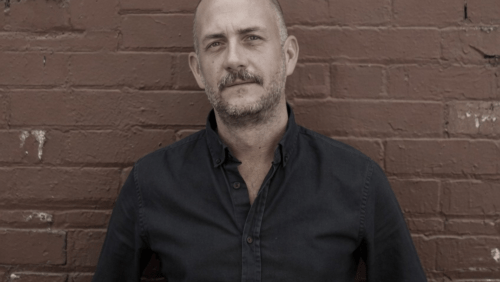
CEO & Founder Isabelle Back, Nordblooms
Isabelle Back grew up with a forest across the street in Sweden, where she developed an early interest in nature. She studied sustainability before moving to Australia, where she worked in banking. There, she gained experience in ESG initiatives, client relationships, strategy, and capital allocation. These skills provided a foundation for starting her own business.
Identifying Challenges in Luxury Interiors
While traveling, Back observed recurring difficulties in maintaining nature indoors at five-star hotels, boardrooms, high-end showrooms, and corporate offices. Fresh flowers often wilted within days. Living plants required regular watering, specialist upkeep, grow lights, and irrigation systems. When maintenance stopped, issues such as plant death and pests sometimes arose. Cut flowers often involved significant logistics, including air freight, which contributed to waste and carbon emissions.
The traditional cut-flower supply chain has notable inefficiencies. Blooms are frequently transported on long refrigerated flights and have a short lifespan. Industry reports indicate that a portion of flowers can be wasted before reaching retailers or clients due to shipping distances, temperature fluctuations, and limited shelf life. Once placed in hotels, offices, or stores, fresh arrangements often wilt within days and require frequent replacements. This cycle generates floral waste that often ends up in landfills. The repeated air freight, refrigeration, packaging, and labor also contribute to carbon emissions and resource use.
Developing the Bio-Preservation Technology
During the pandemic in New York, Back researched preservation technologies and established supply relationships. She founded Nordblooms, a design studio that applies bio-preservation methods to extend the natural appearance of real plants for an extended period. The process involves replacing the natural sap in flowers, plants, moss, and trees with a food-grade glycerin-based oil through an osmotic technique. This helps preserve the cell structure, color, texture, and flexibility of the botanicals.
The resulting installations require no water, no sunlight, and minimal upkeep. Nordblooms reports that its flowers typically last up to one year, its plants three years, its trees five years, and its green walls up to ten years. In contrast to artificial plants, which mainly offer the color green on plastic and provide limited biophilic benefits, Nordblooms’ preserved botanicals maintain a more natural appearance and connection to nature.
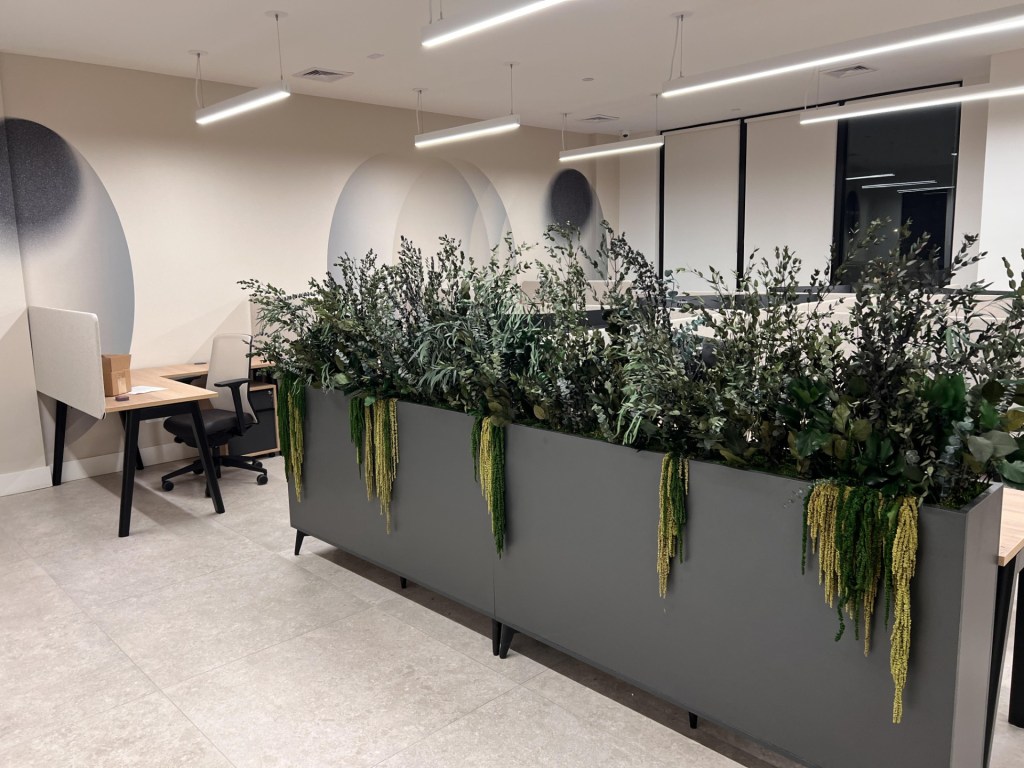
Nordblooms offers preserved green walls, interior trees, bespoke floral installations, gardens, and custom planters. Projects are designed and installed according to each client’s space.
Early Client Interest
Back launched a simple website with limited search engine visibility. Nevertheless, several major companies soon contacted her directly. These inquiries came from organizations seeking natural-looking greenery that could remain consistent without frequent replacements or high ongoing costs.
In corporate settings, exposure to natural elements is associated with improved mood. Some research also links biophilic environments to lower rates of sick days. After the pandemic, many employees began expecting more pleasant and restorative workspaces.
Preserved solutions can offer architects and interior designers greater placement flexibility. Living plants are often unsuitable for low-light areas such as corridors or near elevators because they tend to decline without sufficient sunlight. Nordblooms’ bio-preserved greenery does not require sunlight or artificial grow lights. One architect noted that her arrangements felt like “a new toy” for design purposes. Nordblooms provides a range of biophilic elements from floor to ceiling, including gardens, planters, trees, green walls, and preserved ceilings, helping create more cohesive environments.
A Bootstrapped Operation in a Growing Market
Nordblooms says that it operates as a bootstrapped, self-funded company with a small team. Revenue comes primarily from commercial installations and optional annual maintenance packages. The broader interior design market is currently valued at approximately $145 billion and is projected to reach $262 billion by 2035. The global biophilic design segment is expected to reach $3.1 billion by 2028, with a compound annual growth rate of 10.2 percent.
As a female immigrant founder, Back started with limited recognition in a new country and an unfamiliar technology. She built credibility through project execution and consistent delivery.
What’s Next for Nordblooms
The company is currently focused on strengthening its position in New York, including luxury residential trade programs and the planned launch of an e-commerce catalog for standard products. It intends to expand to additional U.S. cities in 2026–2027 through designer networks. Longer-term plans include entering select international luxury markets such as London, Dubai, and Singapore starting in 2028.
Isabelle Back’s approach offers a measured way to provide long-lasting botanical elements in luxury interiors. By extending the life of real plants, Nordblooms aims to address maintenance challenges while supporting more sustainable and efficient design solutions.
Isabelle Back grew up with a forest across the street in Sweden, where she developed an early interest in nature. She studied sustainability before moving to Australia, where she worked in banking. There, she gained experience in ESG initiatives, client relationships, strategy, and capital allocation. These skills provided a foundation for starting her own business.
Identifying Challenges in Luxury Interiors
While traveling, Back observed recurring difficulties in maintaining nature indoors at five-star hotels, boardrooms, high-end showrooms, and corporate offices. Fresh flowers often wilted within days. Living plants required regular watering, specialist upkeep, grow lights, and irrigation systems. When maintenance stopped, issues such as plant death and pests sometimes arose. Cut flowers often involved significant logistics, including air freight, which contributed to waste and carbon emissions.