Inter-country bodies: the new, under-recognised driver of global business
Bilateral chambers drive trade growth through modern branding and connection

Shutterstock
Opinions expressed by Entrepreneur contributors are their own.
You're reading Entrepreneur United Kingdom, an international franchise of Entrepreneur Media.
The EU remains a powerful trading force, but for countries operating outside the trading bloc (notably post-Brexit Britain), direct, inter-country relationships have taken on renewed strategic importance. Where once multilateral trading partnerships did much of the heavy lifting, today bilateral institutions are becoming critical enablers of growth, clarity and commercial diplomacy. Take January’s Anglo-Swiss trade deal, for instance. Despite attracting little attention in mainstream news, it represents a significant £49bn-a-year relationship. Also deserving more attention are the numerous global bilateral chambers of commerce. They demystify trade deals for their members, ensuring businesses understand how to leverage them effectively. But more importantly, they’re uniquely positioned to step up at a time when people are becoming increasingly exasperated by the status quo. Shevaun Haviland, Director General of the British Chambers of Commerce, summed it up in a March speech, calling on chambers across Europe and beyond to “build more connections, open more doors.”
Having joined the British-Swiss Chamber of Commerce a few years ago, I quickly appreciated just how valuable these organisations are. They have long been the backbone of international trade, fostering connections and enabling businesses to thrive. More importantly, they are the grassroots of entrepreneurship: membership organisations that require people to volunteer their time. They play into the entrepreneurial spirit of getting out what you put in, and contributing to the greater good. They have such potential for positive influence, even on areas beyond pure industry. But the challenge is that most still don’t know how to communicate these benefits. Often with a legacy that goes back decades, even centuries, chambers of commerce can seem overly traditional, old- fashioned, even elitist. By modernising their approach to branding and communications, they can reposition themselves as vital, inclusive and forward-thinking organisations that attract a new generation of engaged membership.
Reframe your thinking
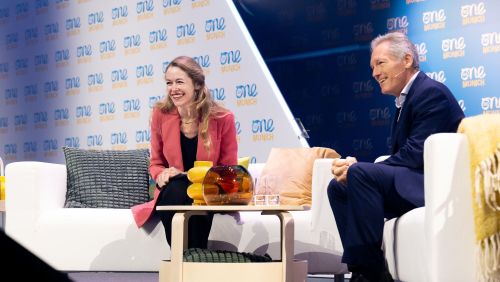
The beauty of these organisations is that they are about more than two halves. Bi-lateral chambers often represent two countries or cultures, but in that partnership lies a unique and powerful third entity. It’s crucial to forge an identity that transcends the sum of the parts and create a modern, forward-looking brand that articulates shared goals and aspirations. For example, in our work on the identity for the British-Swiss Chamber of Commerce’s new ‘Legends’ event this month, we moved beyond traditional flags and symbols. With its bright, electric blue and strong, pared-back but dynamic brand assets, the visual identity reflected a fresh, collaborative spirit, one that feels alive and relevant to today’s world.
Focus on human interaction
If you’re looking to attract and engage new members, reframing your organisation in this way can go even further. For example, the term ‘commerce’ itself can feel outdated or even off-putting, particularly to younger professionals and creative industries. Instead, chambers have the opportunity to reposition themselves as facilitators of human interaction and relationship building. This means shifting the narrative from one purely about economic growth and trade to one of forging meaningful connections. Events and communications should emphasise the people behind the businesses, their stories, ideas and shared ambitions and be more inclusive. For instance, informal events like wine tastings or Padel tournaments can be as impactful as traditional networking dinners. The French Chamber of Great Britain often holds more informal socials, such as Petanque competitions and pub quizzes to create a more relaxed setting. These activities create opportunities for genuine connections, making a chamber feel more approachable and inclusive.
Look at every touchpoint
Modern branding is also about creating a cohesive experience across every touchpoint. From the first email invite to the event carpet colour, every detail should reflect a brand’s values and vision. Your chamber should think the same: see itself as a living, breathing brand. How does it show up in newsletters, social media or even member badges? Does it feel modern, engaging, and relevant? See every event or interaction as essentially a branded campaign. Everything should be considered with a strategic focus. Ask yourself whether your identity and actions express your aspirations and are symbolic of how you work. If you’re a proactive, inclusive soft power organisation that drives change, your logo, your tone of voice and all your expressions should convey this. Such attention to detail not only elevates your communication but signals what your organisation stands for more clearly.
Allow people to buy in
Another key to a thriving trade membership organisation is engagement. The more members feel invested in it, the more value they’ll extract, and the more likely they are to stay involved. The key is to create opportunities for members to ’buy in’ emotionally and intellectually. This could mean giving them a voice in decision-making, celebrating their contributions or designing a brand they’re proud to associate with. A strong, modern brand can act as a badge of honour, something members want to display on their email signatures, LinkedIn profiles or lapels. Think of it as creating a sense of belonging and pride that extends beyond the chamber itself.
Express positive action
Chambers can also build more on the entrepreneurial spirit of their members, who contribute their time and energy to drive progress. This spirit of ‘positive action’ can form a powerful anchor at the heart of your brand. The British-Swiss Legends event exemplifies this approach. Designed to celebrate individuals who have made significant contributions across industries, it gave members the opportunity to nominate inspiring figures. The nominees were a diverse group, ranging from renowned architect Lord Norman Foster to football manager Roy Hodgson and sports marketer Michael Payne. This breadth of representation signalled the chamber’s commitment to inclusivity and innovation, showing that its reach extends far beyond traditional sectors like finance and insurance. What made the event particularly impactful was its focus on empowering members. By allowing them to nominate legends, the chamber gave its community a sense of ownership and pride. Many nominees were not even members of the chamber, which created opportunities to expand its network and attract new participants. It also served as a platform to showcase the organisation’s values. It wasn’t just about celebrating achievements, it was about inspiring others to engage, contribute and view the chamber as a force for positive change.
Start small, think big
This kind of initiative demonstrates how chambers can use positive action to build pride, foster engagement and attract new members. It’s a reminder that even small, well-executed ideas can have a big impact when they align with your brand’s values. Modernising a bilateral partnership organisation in this way doesn’t require a massive budget or a complete overhaul. Sometimes, small, strategic initiatives can be the most effective way to signal a new direction. By starting small, you can test new ideas, refine your approach and build momentum for future initiatives. Assess where you are. Identify one area where you can make an impact, whether it’s an event, a digital campaign or a reimagined membership experience; and use it as a springboard for broader transformation. Chambers have a rich history and a foundation of trust that many organisations envy. But to remain relevant in today’s world, they must evolve. In a world tilting toward fragmentation, chambers that evolve into dynamic, human-centred brands will stay relevant and become indispensable engines of connection, trust and growth.
The EU remains a powerful trading force, but for countries operating outside the trading bloc (notably post-Brexit Britain), direct, inter-country relationships have taken on renewed strategic importance. Where once multilateral trading partnerships did much of the heavy lifting, today bilateral institutions are becoming critical enablers of growth, clarity and commercial diplomacy. Take January’s Anglo-Swiss trade deal, for instance. Despite attracting little attention in mainstream news, it represents a significant £49bn-a-year relationship. Also deserving more attention are the numerous global bilateral chambers of commerce. They demystify trade deals for their members, ensuring businesses understand how to leverage them effectively. But more importantly, they’re uniquely positioned to step up at a time when people are becoming increasingly exasperated by the status quo. Shevaun Haviland, Director General of the British Chambers of Commerce, summed it up in a March speech, calling on chambers across Europe and beyond to “build more connections, open more doors.”
Having joined the British-Swiss Chamber of Commerce a few years ago, I quickly appreciated just how valuable these organisations are. They have long been the backbone of international trade, fostering connections and enabling businesses to thrive. More importantly, they are the grassroots of entrepreneurship: membership organisations that require people to volunteer their time. They play into the entrepreneurial spirit of getting out what you put in, and contributing to the greater good. They have such potential for positive influence, even on areas beyond pure industry. But the challenge is that most still don’t know how to communicate these benefits. Often with a legacy that goes back decades, even centuries, chambers of commerce can seem overly traditional, old- fashioned, even elitist. By modernising their approach to branding and communications, they can reposition themselves as vital, inclusive and forward-thinking organisations that attract a new generation of engaged membership.
Reframe your thinking
The beauty of these organisations is that they are about more than two halves. Bi-lateral chambers often represent two countries or cultures, but in that partnership lies a unique and powerful third entity. It’s crucial to forge an identity that transcends the sum of the parts and create a modern, forward-looking brand that articulates shared goals and aspirations. For example, in our work on the identity for the British-Swiss Chamber of Commerce’s new ‘Legends’ event this month, we moved beyond traditional flags and symbols. With its bright, electric blue and strong, pared-back but dynamic brand assets, the visual identity reflected a fresh, collaborative spirit, one that feels alive and relevant to today’s world.