Chris Knight’s Mission to Track Every Field and Its Climate Future
Agribot
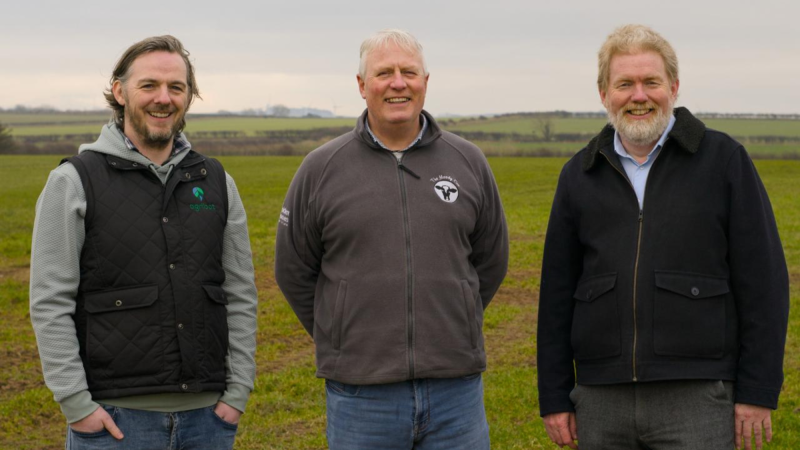
If you’ve ever watched a July storm stall for days, you know why farmers want more than glossy satellite pictures. Agribot founder Chris Knight is making that happen by exploring how AI can help combat climate variability.
Knight believes fields should be readable like code, even when the sky refuses to cooperate. He builds for that reality. Knight’s move from industry to research to startups and entrepreneurial work has one aim: to translate complex weather into plain, testable signals.
With earlier reads on stress and growth, growers could plan seeds, budgets, crews, and fine-tune fertiliser and pesticide use, before a season locks in. Field data becomes a living record that can be audited, compared, and used to cut waste and environmental impact.
Field Insight, Not Guesswork
Knight starts with a farmer’s first question: What’s growing where, and what changed since last week? Supported by UKRI and EIT Food, Agribot is largely self-funded. It blends radar technology with climate records to tag field boundaries, crop type, growth phase, and emerging stress. Then, it ties those readings to a traceable timeline that explains model logic in plain terms.

Signals That Show Up Early
Everything from seed choice, fertiliser orders, and cover-crop plans happens long before harvest, making early detection an important key. Agribot’s suite brings those three pieces forward.
The Maker Behind the Models
Knight earned a BSc in artificial intelligence and robotics in 2005, then a PhD in applied climatology focused on agri-food systems. Grants from Innovate UK and EIT Food, published research, and time advising across public programs trained a habit of translating models into choices that non-scientists can reach for without squinting.
Craft and Science in One Place
Knight’s debut novel, The Unfinished Memory, explores themes of care, silence, and survival, ideas that quietly echo through his product work. Where the book reflects on human resilience, his software turns private weather into usable signals for fields and portfolios. The setup stays practical: upload boundaries or pull from an API, tag crops, set preferred alerts, and share reports with lenders and buyers who need clean audit trails to move money with fewer questions.
What Consistency Makes Possible
Field context builds shared accountability. Because FREY relies on radar, new snapshots arrive even under stubborn clouds and during key phases you can’t afford to miss.
That continuity lets a grower compare stress against soil notes, seed history, or procurement windows. Then, decide whether to switch hybrids, adjust nitrogen, or stagger hiring before small problems turn into expensive scrambles. It turns ‘wait and see’ into ‘watch and act.’
Where This Could Lead
Knight talks about a planetwide index of fields that ranks risk and explains why. That way, agribusiness teams and policymakers can compare like with like without drowning in raw feeds, and build transparent histories that anyone on the deal team can understand.
If that picture holds, buyers might screen supply, lenders could price seasonality with more nuance, and producers may time inputs with fewer costly hunches during the months when choices matter most.
How Teams Start Smart
Adoption starts with one clear problem today. Pick a field or region you already track, then compare outputs against past choices. When alerts match your live calendar, you keep them, and when they don’t, you adjust thresholds or cadence until the signal earns its keep.
If you’ve ever watched a July storm stall for days, you know why farmers want more than glossy satellite pictures. Agribot founder Chris Knight is making that happen by exploring how AI can help combat climate variability.
Knight believes fields should be readable like code, even when the sky refuses to cooperate. He builds for that reality. Knight’s move from industry to research to startups and entrepreneurial work has one aim: to translate complex weather into plain, testable signals.
With earlier reads on stress and growth, growers could plan seeds, budgets, crews, and fine-tune fertiliser and pesticide use, before a season locks in. Field data becomes a living record that can be audited, compared, and used to cut waste and environmental impact.