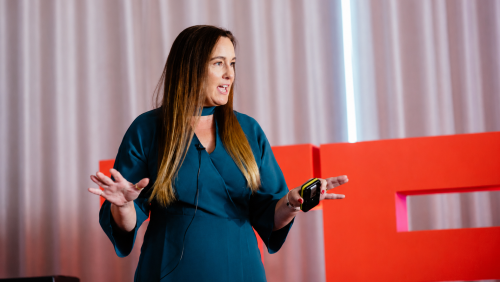
Talking about mental health is the last taboo for entrepreneurs – here’s why it doesn’t have to be
Entrepreneurs can build healthier businesses by prioritizing mental health, self-care, and open conversations
Willo
Opinions expressed by Entrepreneur contributors are their own.
You're reading Entrepreneur United Kingdom, an international franchise of Entrepreneur Media.
Entrepreneurship has long been romanticised as a path to freedom, innovation, and success. Yet the reality for many business owners can be starkly different.
The demands of building and scaling a business often come at a significant cost to mental health. Health and Performance of High-Impact Entrepreneurs, a study of 118 tech founders revealed that 75% of entrepreneurs feel pressured by others’ expectations, and 54% consider discussions around mental health a no-go area. This creates a world where relentless overworking is the norm, and the risk of damaging mental health is unacceptably high.
In a world where drive and resilience are coveted, the pressure to succeed can lead to burnout, anxiety, and even serious physical illnesses. As someone who has experienced these challenges firsthand, I believe addressing mental health in entrepreneurship should be mandatory, not optional.
Entrepreneurs are particularly vulnerable due to the nature of their work. The immense financial and personal risks create a constant undercurrent of stress, often leading to unhealthy coping mechanisms like sleepless nights or poor eating habits. Within my networks, I’ve seen mental health struggles cause businesses to scale back, shut down, or force leaders to step away entirely.
One stark example involved an entrepreneur whose ambition drove them to such severe burnout that they’ve been unable to return to work for over a year. Stories like this are unfortunately common. When the person leading a business is struggling, the effects ripple outward, impacting employees, customers, and the wider economy. Yet these challenges are often dismissed as necessary sacrifices for ambition. It doesn’t have to be this way.
Several years ago, I personally experienced burnout that severely affected my physical and mental health. It forced me to reevaluate my approach to work and life. Recovery wasn’t quick or easy, but it taught me invaluable lessons about self-awareness, boundaries, and balance. Most importantly, I learned that it’s possible to recover. Prevention, however, is far better than cure.
Over time, I’ve developed strategies to safeguard my well-being, which I now share to help others navigate similar challenges.
Create non-negotiable time for yourself: Entrepreneurs often pour every ounce of energy into their businesses, leaving little for themselves. But neglecting mental health isn’t sustainable. Setting aside time for yourself – and treating it as sacred – is crucial. Commit to activities that recharge you, whether it’s exercise, meditation, or simply taking a walk. For me, physical exercise has been transformative. Running, taking ice baths, and meditating help me stay grounded and focused, boosting both my mood and productivity.
Change your scenery: Stepping away from the daily grind, even briefly, can do wonders for mental health. Travel, attend events, or work in a different environment to gain fresh perspectives. These breaks allow you to reset and return with renewed energy and clarity.
Set tangible goals beyond work: Booking something – a holiday, a sports event, or a personal challenge – gives you something to look forward to and holds you accountable. For me, committing to activities outside of work, which included running a half marathon this year, creates a positive structure that helps maintain balance.
Stay connected: Entrepreneurs often feel the weight of their businesses rests solely on their shoulders. This sense of responsibility can be isolating. Talking to friends, family, or mentors helps put challenges into perspective and provides emotional support. Opening up about struggles doesn’t make you less capable – it makes you human.
Prioritise Physical Health: The connection between body and mind is undeniable. Staying hydrated, eating well, and ensuring regular physical activity are foundational to mental well-being. It’s remarkable how much better I think and feel when I’ve taken care of my body.
Entrepreneurs can’t navigate these challenges alone. Those around them – partners, employees, investors, and friends – must recognise the pressures they face and offer support. Checking in, listening without judgment, and encouraging healthy habits can make a significant difference. A strong support system benefits not only the entrepreneur but also the business as a whole.
The cost of ignoring mental health is too high, both personally and professionally. Many entrepreneurs believe they need to give 110% to succeed, but in truth, operating at 80% consistently is far more sustainable than short bursts of 110% followed by burnout. Neglecting mental health leads to poor decision-making, strained relationships, and ultimately, the collapse of ventures entrepreneurs have worked so hard to build. Prioritising mental health fosters resilience, creativity, and clarity, enabling leaders to navigate challenges and seize opportunities.
Addressing mental health isn’t a sign of weakness; it’s a necessity for long-term success. Entrepreneurs need to prioritise self-care and adopt practices that protect their well-being. Equally, those who work with or support entrepreneurs must create environments where mental health is valued and prioritised.
As a community, we must normalise conversations about mental health, share resources, and celebrate those who take steps to protect themselves. By doing so, we’ll not only build healthier individuals but also stronger, more resilient businesses.
Entrepreneurship has long been romanticised as a path to freedom, innovation, and success. Yet the reality for many business owners can be starkly different.
The demands of building and scaling a business often come at a significant cost to mental health. Health and Performance of High-Impact Entrepreneurs, a study of 118 tech founders revealed that 75% of entrepreneurs feel pressured by others’ expectations, and 54% consider discussions around mental health a no-go area. This creates a world where relentless overworking is the norm, and the risk of damaging mental health is unacceptably high.
In a world where drive and resilience are coveted, the pressure to succeed can lead to burnout, anxiety, and even serious physical illnesses. As someone who has experienced these challenges firsthand, I believe addressing mental health in entrepreneurship should be mandatory, not optional.

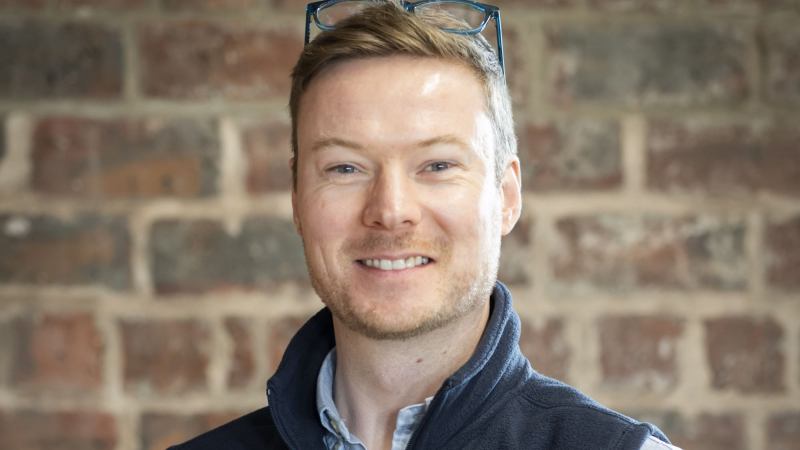
Euan Cameron • Co-founder of Willo
Euan Cameron, CEO and Founder at UK-based global candidate screening platform Willo