How Chefs in Schools is Creating Sustainable Business Models
Driving change in school nutrition
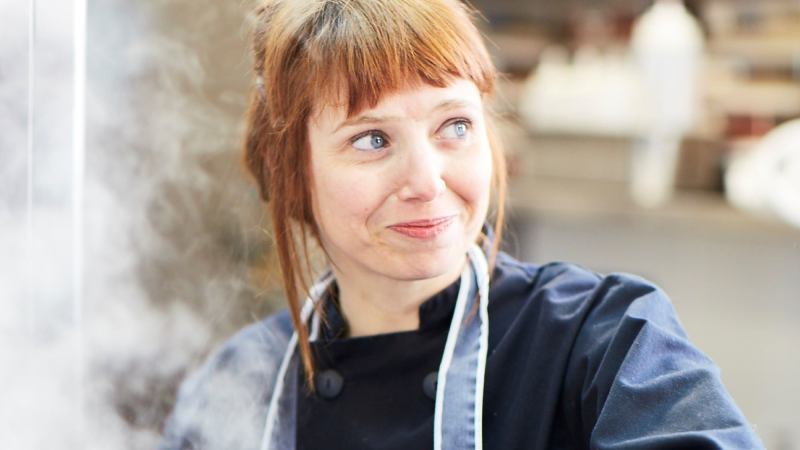
Chefs in Schools
Opinions expressed by Entrepreneur contributors are their own.
You're reading Entrepreneur United Kingdom, an international franchise of Entrepreneur Media.
Discover how Chefs in Schools, a UK charity that partners professional chefs with schools, is not only revolutionising school meals but also building a sustainable business model that empowers and educates future generations.
Co-founder Nicola Pisani reveals invaluable insights on innovation, calculated risks, and the profound impact of mindful food choices on both education and entrepreneurship.
What has been the most impactful change you’ve seen in schools since launching Chefs in Schools?
A 2019 study found that children who regularly eat nutritious school meals show better levels of concentration and improved behaviour throughout the school day. Head teachers we work with constantly reinforce this by stating how better concentration is compared to before partnering with Chefs in Schools. This makes me really proud.
The most impactful change we’ve seen in schools since launching Chefs in Schools is the shift in both the quality of food served and the broader food culture within the school day. Every day, over 130 chefs prepare freshly made, nutritious meals for children, playing an important part in not only feeding them but also teaching them essential skills that means they will be able to feed themselves later in life.
Importantly, we couldn’t have achieved half of what we have, without generous donations that, as a charity, we rely on to do our work.
What is the most valuable business lesson you’ve learned as a co-founder of Chefs in Schools?
The most valuable business lesson I’ve learned as a co-founder of Chefs in Schools is that growth and impact are often tied to taking calculated risks. The journey has taught me that there is a delicate balance between risk and security in the business world, and success hinges on knowing when to embrace one over the other.
In just over 6 years, we have grown from working with a handful of schools to impacting over 100 schools. This growth wouldn’t have been possible without taking those early risks and having the confidence to do things differently.
Related: Scaling Sustainably: A Roadmap to Net Zero for Startups
What trends in the food industry do you think entrepreneurs should pay attention to?
Food entrepreneurs should watch out for food that is more mindful—considering both people and the planet—this is becoming a central focus in how we eat, and schools are no exception. BCorp food companies like Hodmedods and Wildfarmed are trying hard to make good food accessible to all with a huge focus on local, sustainable and fair farming.
The emphasis on mindful food choices in schools is a powerful step towards a more sustainable, health-conscious future.
How do you cultivate a strong, motivated team in a mission-driven organisation?
We recently celebrated six years since the founding of Chefs in Schools, and it has been a time for reflection and appreciation. It is truly inspiring to see the dedicated group of individuals who show up every day, driven by the belief that meaningful change is possible and by their tireless commitment to achieving our mission. Our passion for food is at the heart of what we do, and it continues to shape our work, social activities, and overall focus.
What is one critical mistake you made early on, and how did you adjust your strategy to avoid similar pitfalls in the future?
Early on we underestimated how hard transitioning professional chefs from a restaurant background into the school environment would be. Initially, we thought that if you could cook great food and had a passion for paying it forward you would be perfect for a school chef. We realised that working in a school kitchen also requires a different set of skills—chefs need to understand the challenges of catering to a diverse group of children, managing tight budgets and understanding the complexity of handling the key stakeholders within a school i.e. the children. We are now building a chef’s alliance which provides ongoing peer to peer support and a network for chefs to learn and support each other.
What advice would you give to entrepreneurs starting out in the social impact space?
Don’t be afraid to take risks. Change doesn’t happen without hard work and a strong belief in what you set out to do. Push boundaries in whatever you do; have the courage to experiment and learn from your mistakes; never be ashamed to say sorry; and real change takes time – persistence is key.
Related: The Heart of Entrepreneurship
Discover how Chefs in Schools, a UK charity that partners professional chefs with schools, is not only revolutionising school meals but also building a sustainable business model that empowers and educates future generations.
Co-founder Nicola Pisani reveals invaluable insights on innovation, calculated risks, and the profound impact of mindful food choices on both education and entrepreneurship.
What has been the most impactful change you’ve seen in schools since launching Chefs in Schools?

Patricia Cullen • Features Writer
Entrepreneur Staff