Tratos on the Power of Cable Infrastructure in Advancing the UK’s Sustainable Energy Future

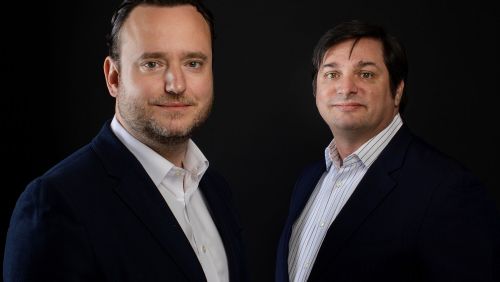
Maurizio Bragagni
Tratos, a European cable manufacturer with a longstanding industrial heritage, views cable infrastructure as a foundational element within the UK’s evolving energy system, supporting transmission, connectivity, and resilience across sectors. As the country advances its energy transition ambitions, the company explores how greater attention to this layer of infrastructure may help address emerging system demands while contributing to long-term sustainability.
This reflection becomes particularly relevant when considering the pace and complexity of the UK’s energy transition. According to an energy transition outlook, the country has made notable progress toward its climate targets, supported by large-scale renewable initiatives. While this momentum signals strong intent, the report also highlights the importance of coordinated development across the entire energy system. “Generation, transmission, and end‑use are becoming more connected, so there’s a growing need for infrastructure that can support that integration in a coordinated way,” Maurizio Bragagni, Chairman and CEO of Tratos, explains.
Within this broader context, the role of cable infrastructure begins to take clearer form. As electrification expands across transport, industry, and digital services, the ability to transmit power efficiently becomes a central consideration. Analysis suggests that the UK high-voltage cable market is set to grow steadily through 2035, driven by grid upgrades, renewable integration, and rising electricity demand from sectors such as electric vehicles and data centers. This trajectory reflects how cables are becoming more closely linked to the delivery of national energy and digital objectives.
Tratos operates within this environment as a vertically integrated manufacturer with facilities across Europe, including a presence in the UK. Since its founding in 1966, the company has developed capabilities spanning energy transmission, fiber optics, and specialized engineering applications. Its recognition with The Queen’s Award for Enterprise: Innovation in 2019 reflects ongoing work in advancing cable technologies, particularly in areas supporting offshore energy and complex infrastructure systems. Through this experience, the company approaches cables as part of a wider system, where performance, reliability, and adaptability contribute to overall network effectiveness.
Building on this perspective, the company also considers how infrastructure challenges are approached across different regions. “In many parts of Europe, grid networks still rely on older designs that continue to serve important roles, while growing energy needs are encouraging the use of newer technologies that can help increase capacity and efficiency,” Bragagni says. He adds that in certain European contexts, advanced conductor solutions have been implemented to increase transmission capability while maintaining existing structures, offering insights into how infrastructure can evolve without extensive physical expansion.
According to Tratos, one example that illustrates this approach can be seen in Italy, where a transmission system operator implemented high-temperature, low-sag conductors reinforced with carbon fiber in alpine environments such as the San Pellegrino Pass. In projects where environmental conditions and terrain presented unique challenges, these conductors were introduced as part of efforts to support reliable transmission.
“From what has been seen in these installations, the conductors have continued to perform well over time, including in low temperatures and under mechanical stress. These kinds of experiences help build a clearer understanding of how modern materials and engineering approaches can work alongside established infrastructure,” Bragagni shares.
These lessons, drawn from environments where infrastructure must perform under demanding conditions, offer useful reference points when considering how other markets are preparing for similar pressures. In the UK, for instance, energy transition enters a new phase. Industry insights indicate that the focus is shifting from renewable deployment alone toward ensuring that networks can accommodate increased capacity and variability. Grid connection reforms, planning processes, and supply chain considerations are all shaping how quickly infrastructure can adapt to new demands. Within this evolving landscape, Tratos believes that the cable sector forms an essential part of the delivery framework.
At the same time, Tratos observes that the structure of the UK cable industry introduces additional considerations. In the company’s view, the domestic manufacturing base has become more concentrated over the years, a shift that may influence how supply chains respond to rising demand. As infrastructure projects grow in scale and complexity, maintaining a diverse and capable ecosystem can help support resilience and continuity. This, the company notes, extends beyond production capacity to include the ability to innovate, collaborate, and adapt to evolving technical requirements.
Tratos also points to the role of regulatory frameworks in shaping how infrastructure develops. It notes that the adoption of new cable technologies often depends on alignment with national standards and approval processes, which guide how solutions are evaluated and introduced. Within this context, Tratos suggests that experiences from other European markets can offer useful reference points. Bragagni says, “Shared knowledge across markets can help inform decisions, especially when technologies have already been applied in comparable conditions.” Such exchanges may support alignment between innovation and regulatory practice.
Alongside these structural and regulatory dimensions, Tratos highlights a broader consideration: how cable infrastructure is perceived within the wider energy system. The company notes that discussions around the energy transition often emphasize generation capacity or visible assets, while transmission components receive comparatively less attention. Yet, in Tratos’ view, as electricity demand increases and networks become more interconnected, cables play an increasingly integral role in overall system performance. “Infrastructure is a collective effort, where each component contributes to the reliability and continuity people experience every day,” Bragagni emphasizes.
Overall, a well-supported cable ecosystem in the UK may help bring together manufacturing capability, policy alignment, and ongoing innovation. Areas of development may include advanced materials, digital monitoring systems, and production methods aligned with circular economy principles. Tratos, through initiatives such as Bornewables technology, continues to explore how cable manufacturing can contribute to sustainability objectives while supporting infrastructure needs.
This leads to a broader reflection for decision-makers and stakeholders involved in the UK’s energy transition. As the system evolves, helping ensure that all components, from generation to transmission, are considered in an integrated manner may help support long-term goals. Bragagni remarks, “Strengthening the pathways that enable energy and information flow contributes to the wider systems that connect industries, communities, and opportunities.”
Tratos, a European cable manufacturer with a longstanding industrial heritage, views cable infrastructure as a foundational element within the UK’s evolving energy system, supporting transmission, connectivity, and resilience across sectors. As the country advances its energy transition ambitions, the company explores how greater attention to this layer of infrastructure may help address emerging system demands while contributing to long-term sustainability.
This reflection becomes particularly relevant when considering the pace and complexity of the UK’s energy transition. According to an energy transition outlook, the country has made notable progress toward its climate targets, supported by large-scale renewable initiatives. While this momentum signals strong intent, the report also highlights the importance of coordinated development across the entire energy system. “Generation, transmission, and end‑use are becoming more connected, so there’s a growing need for infrastructure that can support that integration in a coordinated way,” Maurizio Bragagni, Chairman and CEO of Tratos, explains.
Within this broader context, the role of cable infrastructure begins to take clearer form. As electrification expands across transport, industry, and digital services, the ability to transmit power efficiently becomes a central consideration. Analysis suggests that the UK high-voltage cable market is set to grow steadily through 2035, driven by grid upgrades, renewable integration, and rising electricity demand from sectors such as electric vehicles and data centers. This trajectory reflects how cables are becoming more closely linked to the delivery of national energy and digital objectives.