The future of technology won’t be built in silos
SOFTSWISS founder says collaboration unlocks Europe’s next AI engineering breakthrough
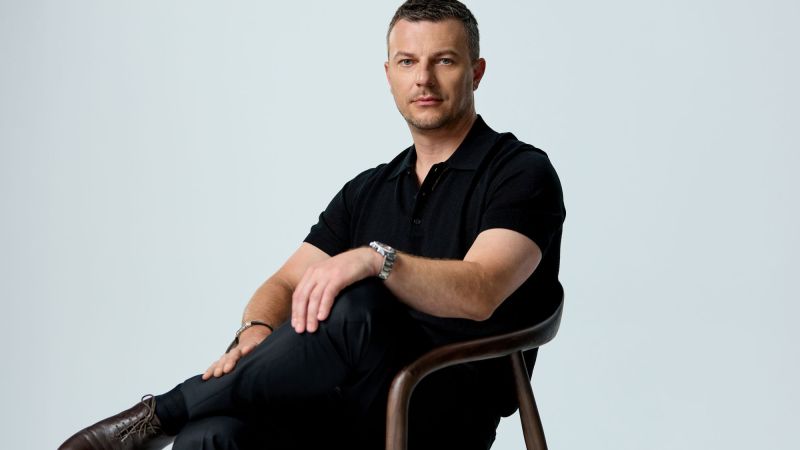
SOFTSWISS
Ivan Montik, Founder of SOFTSWISS, a provider of tech for iGaming.
Opinions expressed by Entrepreneur contributors are their own.
You're reading Entrepreneur United Kingdom, an international franchise of Entrepreneur Media.
As AI reshapes every industry, SOFTSWISS founder Ivan Montik believes Europe’s next breakthrough will come from something far simpler: getting engineers talking to one another. For years, the technology industry has organised itself into neat categories. Bankers attend banking conferences. Cybersecurity specialists debate cybersecurity. AI has become an industry unto itself. Gaming, fintech, cloud computing and entertainment all occupy their own corners of the technology world, each with its own experts, vocabulary and events. Yet beneath those labels lies an increasingly obvious truth. The infrastructure powering modern digital businesses is beginning to look remarkably similar.
Whether processing payments for a digital bank, streaming millions of hours of video, managing global cloud services or running one of the world’s busiest online gaming platforms, today’s engineering teams are wrestling with many of the same questions. How do you scale without sacrificing reliability? How do you integrate artificial intelligence without overwhelming infrastructure? How do you modernise ageing systems while customers continue using them? Ivan Montik believes the industry has spent too long trying to answer those questions in isolation.
“For years, we’ve been solving engineering problems that aren’t unique to iGaming,” says the SOFTSWISS founder. “Whether you’re running a digital bank, a global streaming site, or an online gaming platform, you’re facing many of the same challenges: processing millions of transactions, keeping latency low, scaling infrastructure efficiently and maintaining resilience under constant demand.”
It’s an observation born from experience. Although SOFTSWISS has become one of the world’s leading technology providers for the iGaming sector, Montik has watched software blur the traditional boundaries between industries. The underlying engineering challenges have become increasingly universal, even if the businesses themselves remain very different. The problem, he argues, is that knowledge has not kept pace.
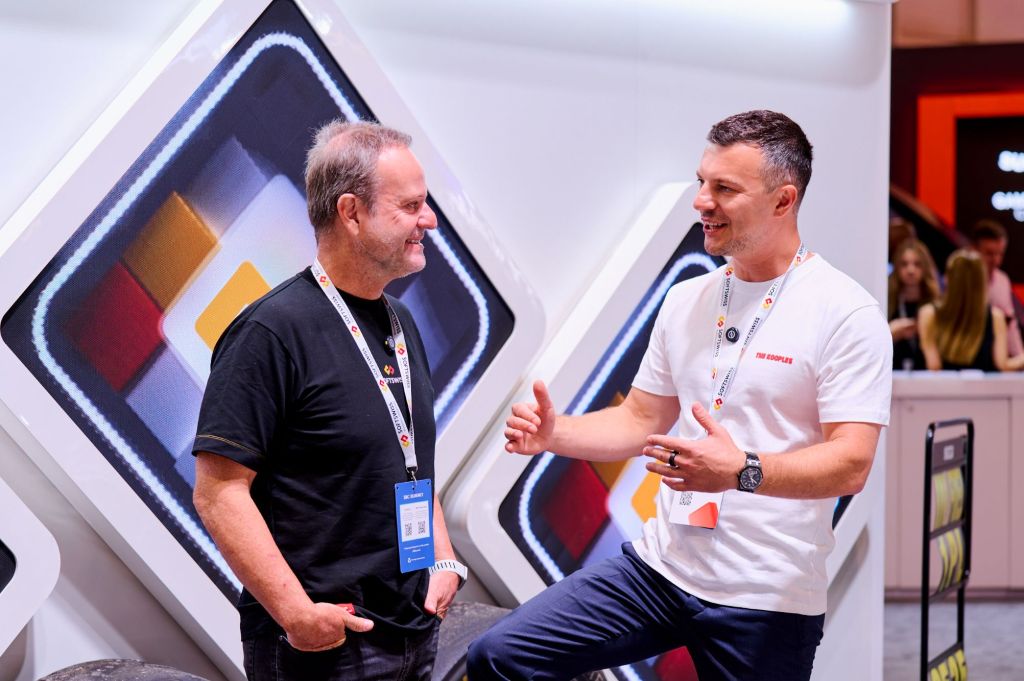
“What’s been missing is a place where the people solving these problems can learn from one another. Most technology conferences are organised around industries, but infrastructure doesn’t care what sector you’re in. Great engineering ideas are often transferable.”
That thinking sits behind the launch of Tech Race Summit, a new conference bringing together engineers and technology leaders from companies including AWS, Google, Oracle and Cloudflare alongside experts working across AI, fintech, cloud computing and high-load digital infrastructure. Unlike most technology events, it isn’t designed around sectors. It’s designed around shared engineering problems.
“We launched the Tech Race Summit to help close this gap,” Montik says. “Europe has some outstanding technical talent, and we wanted to create a conference where practical knowledge could travel across industries, because that’s where some of the biggest innovations happen.” The choice of Warsaw reflects that ambition. Central and Eastern Europe has long been regarded as one of the world’s richest sources of engineering talent, but increasingly the region is producing globally significant technology businesses of its own.
“The region is moving beyond being known simply as a source of engineering talent. Poland and its wider neighbourhood has become one of Europe’s strongest technology hubs, with exceptional engineers, ambitious founders and globally competitive companies.”
For Montik, Warsaw has become a natural meeting point between Eastern and Western Europe—an increasingly influential technology capital in its own right. If collaboration forms one pillar of his thinking, practicality forms the other. While much of the technology industry remains captivated by predictions about artificial intelligence, Montik prefers to talk about implementation rather than possibility. “Technology has become incredibly specialised, but many of our problems are shared,” he says.
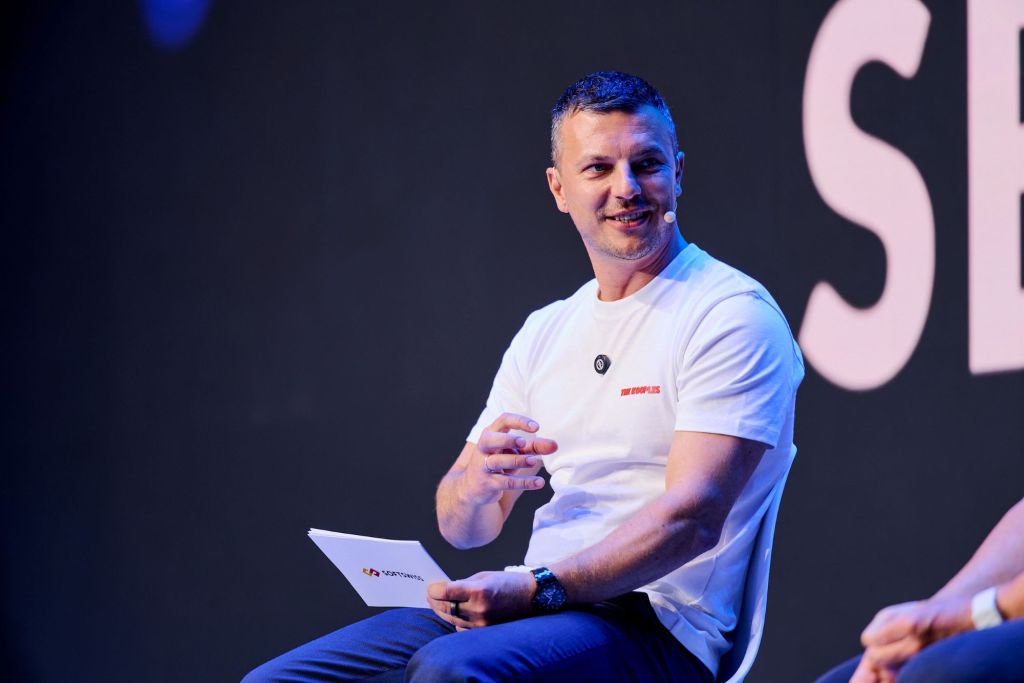
“How do you build AI systems without dramatically increasing infrastructure costs? How do you keep services available when demand suddenly multiplies? How do you modernise legacy architecture without disrupting customers? How do you balance performance, security and compliance as systems become more distributed?” They’re questions every engineering leader recognises.
Rather than filling conference agendas with future-gazing, Montik wants every discussion grounded in solutions that delegates can immediately take back to their organisations. “These are real life daily challenges engineers across different sectors of tech are facing. We wanted every session to leave people with something they can apply immediately, whether that’s a new architectural approach, lessons from scaling a platform or practical experience deploying AI in production.”
The philosophy reflects SOFTSWISS’ own approach to building technology at scale. Montik often compares high-load digital platforms to Formula One racing – not because of speed alone, but because sustained performance depends on relentless attention to every component. “Beyond racecars moving at great speed, Formula 1 is about maintaining performance consistently under extreme conditions while constantly improving every component,” he says. “The same applies to high-load systems. Speed means nothing if reliability suffers. Innovation only matters if customers trust the platform to perform every time they use it.”
That experience has shaped one lesson above all others. “One lesson we’ve learned is that resilience has to be designed into systems from the beginning rather than added later.” In a world where cyber attacks, infrastructure failures and unexpected surges in demand have become routine, resilience has evolved from technical consideration to commercial necessity. The objective, Montik argues, is no longer to eliminate every failure. It is to recover from them. “Operating global platforms means assuming that failures will happen. The goal isn’t to eliminate every incident, but rather to design systems that can continue to operate, recover quickly and minimise customer impact when they do.”
Artificial intelligence presents a similar challenge. Rather than viewing AI as an end in itself, Montik believes businesses should see it as another tool within a broader engineering strategy. “AI is becoming an incredibly powerful engineering tool. It’s accelerating software development, improving infrastructure monitoring, strengthening security analysis and helping teams automate repetitive operational tasks.” The greatest opportunity, he believes, lies in making engineers more effective rather than replacing them. “I think we’ll increasingly see AI augmenting engineers rather than replacing them. It allows talented people to spend more time solving complex problems instead of routine ones.”
But enthusiasm alone is not enough. “Where companies should be cautious is assuming AI is a strategy rather than a capability. Simply adding AI features doesn’t create value. Businesses need clear use cases, high-quality data and human oversight, particularly in regulated industries where trust and accountability matter.” After building an international technology business, Montik believes the same principle applies to companies themselves.
Growth, he says, should never compromise quality. “Scaling internationally requires more than translating a product or opening new offices. You need to build systems that can evolve, teams that can make decisions independently and a company culture that remains consistent across different markets.” Strong architecture, he argues, provides businesses with the flexibility to seize opportunities without becoming constrained by technical debt. Ultimately, though, Montik’s argument extends beyond software.
As artificial intelligence accelerates digital transformation across every sector, the companies most likely to succeed may not be those with the largest engineering teams or the most advanced algorithms. They may simply be those willing to learn from people outside their own industries.
“Some of the most valuable innovations happen when people from different industries realise they’re solving similar engineering problems and start learning from one another,” he says. “Europe has world-class technical talent, and creating more opportunities for that kind of collaboration is how we continue to build globally competitive technology.”
For an industry obsessed with building the future, it’s a surprisingly old-fashioned idea. Progress, after all, has always begun with a conversation.
As AI reshapes every industry, SOFTSWISS founder Ivan Montik believes Europe’s next breakthrough will come from something far simpler: getting engineers talking to one another. For years, the technology industry has organised itself into neat categories. Bankers attend banking conferences. Cybersecurity specialists debate cybersecurity. AI has become an industry unto itself. Gaming, fintech, cloud computing and entertainment all occupy their own corners of the technology world, each with its own experts, vocabulary and events. Yet beneath those labels lies an increasingly obvious truth. The infrastructure powering modern digital businesses is beginning to look remarkably similar.
Whether processing payments for a digital bank, streaming millions of hours of video, managing global cloud services or running one of the world’s busiest online gaming platforms, today’s engineering teams are wrestling with many of the same questions. How do you scale without sacrificing reliability? How do you integrate artificial intelligence without overwhelming infrastructure? How do you modernise ageing systems while customers continue using them? Ivan Montik believes the industry has spent too long trying to answer those questions in isolation.
“For years, we’ve been solving engineering problems that aren’t unique to iGaming,” says the SOFTSWISS founder. “Whether you’re running a digital bank, a global streaming site, or an online gaming platform, you’re facing many of the same challenges: processing millions of transactions, keeping latency low, scaling infrastructure efficiently and maintaining resilience under constant demand.”

Patricia Cullen • Features Writer
Entrepreneur Staff