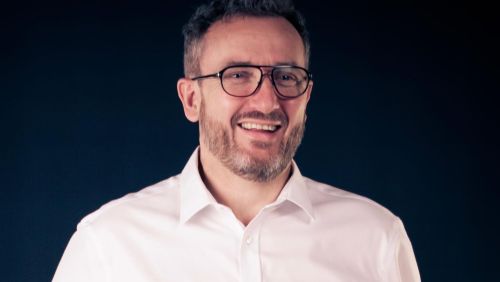
Osyle and Gleb Kuznetsov are redefining how AI thinks, decides and creates
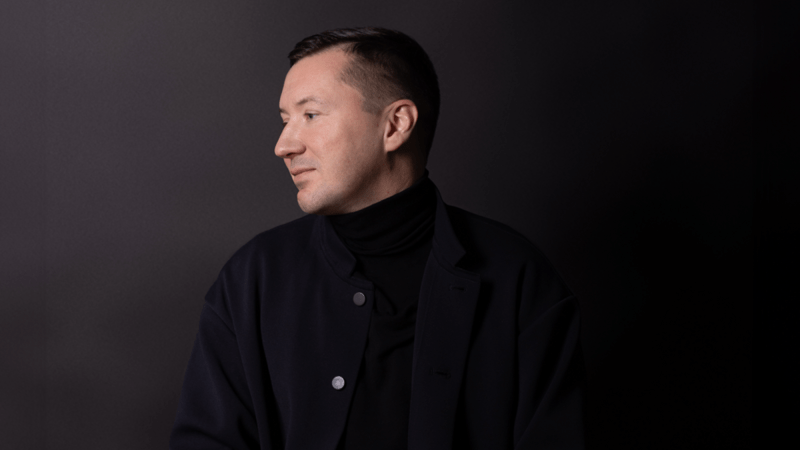
Gleb Kuznetsov, Osyle
Early Encounters with Technology
Gleb Kuznetsov’s fascination with computers began in the mid-1990s, a time when access to technology was far from ordinary. Growing up in an environment where his parents had little understanding of computers, Gleb became the family’s unofficial translator between the analog past and the digital future. His first glimpse into design at fifteen was motivated by a desire to make technology less intimidating and more accessible.
Seeing the Divide
Reflecting on his upbringing, Gleb realized that computers were creating a new kind of social divide. Those who understood the language of technology thrived, while others struggled to catch up. This realization was not just academic; it was personal. As someone who witnessed both sides of the divide: those who could understand what was happening, and those who couldn’t, Gleb set out to build a career dedicated to closing these gaps.
The Rise of AI and Its Challenges
Fast forward to today, and Gleb’s focus has shifted to artificial intelligence. While the promise of AI is immense, he sees clear pitfalls. Current systems are robust but lack real-time awareness and the nuanced judgment that humans bring to decision-making and creativity. Gleb notes that AI, for all its capabilities, cannot truly think or correct its own errors. Instead, it delivers information based on historical data, sometimes missing the context that makes human decisions so effective.
Why Osyle Exists
Osyle was born from Gleb’s desire to address these weaknesses. He believes that the future of technology is not just about more intelligent machines, but about more innovative ways for humans to interact with those machines. At Osyle, the emphasis is on two key areas of focus. First, a deeper understanding of user decision-making by analyzing references and behavior in real-world contexts. Second, the creation of generative interfaces that expand on traditional text or command-based interaction, offering users a visual and intuitive way to work with AI.
Building for a New Generation
Gleb is acutely aware that today’s children are growing up not just with computers, but with AI as a constant presence. This AI native generation may trust technology more than previous generations, but Gleb believes that judgment, taste, and human context remain essential. If left unchecked, blind trust in AI could lead to mistakes and missed opportunities. Osyle aims to provide tools that encourage thoughtful interaction, helping people make better decisions rather than simply automating them.
Designing the Next Interface
Osyle’s approach draws inspiration from the history of interface design. Gleb recalls how the transition from command-line interfaces to graphical user interfaces opened computing to millions. Now, he sees generative interfaces as the next leap forward. These interfaces allow users to visualize outcomes, experiment with possibilities, and interact with technology in ways that feel natural. The goal is not to replace human judgment, but to amplify it.
A Team with a Mission
Backing Gleb’s vision is a team of designers and engineers drawn from top institutions. They share his belief that technology should empower, not overwhelm. Their work is already being tested by leading design-driven organizations, with feedback helping to refine the product ahead of a major launch.
Looking to the Future
For Gleb, Osyle is the culmination of a lifelong journey to make technology more human. As AI continues to evolve, he is determined to ensure that it serves people, not the other way around. By embedding judgment, context, and visual intuition into the heart of AI, Gleb hopes to shape a future where technology is an enabler for all…not just for those fluent in its language.
Early Encounters with Technology
Gleb Kuznetsov’s fascination with computers began in the mid-1990s, a time when access to technology was far from ordinary. Growing up in an environment where his parents had little understanding of computers, Gleb became the family’s unofficial translator between the analog past and the digital future. His first glimpse into design at fifteen was motivated by a desire to make technology less intimidating and more accessible.
Seeing the Divide