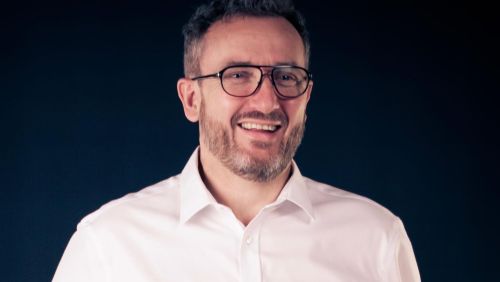
Flying High
Xapien’s co-founder and CEO on ditching ego, embracing market speed, and why caring for your team is still the smartest tech decision you can make
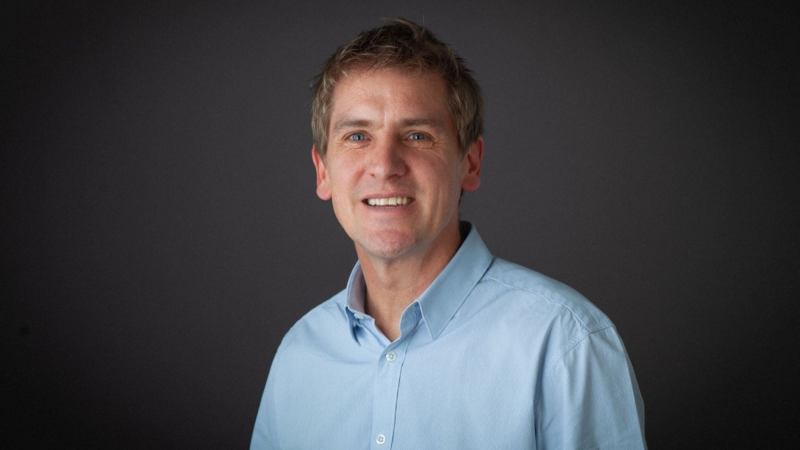
Xapien
Chris Green, CEO and co-founder of due diligence platform Xapien
Opinions expressed by Entrepreneur contributors are their own.
You're reading Entrepreneur United Kingdom, an international franchise of Entrepreneur Media.
In 2025, leading an AI company means moving fast – but not blindly. Chris Green, CEO and co-founder of due diligence platform Xapien, has spent the past three years at the helm of one of the UK’s most forward-thinking start-ups. From pioneering the use of LLMs before they were mainstream to swapping homegrown tools for smarter off-the-shelf tech, Green has embraced a mindset few founders manage: build what matters, ditch what doesn’t. And while others chase solo-founder headlines, he argues the real edge is human-culture, conviction, and the courage to keep flying forward.
What’s working for you in 2025 that wouldn’t have worked a year ago?
It’s an interesting time to lead an AI firm. We have never had so much at our disposal. Looking back at Xapien’s beginnings, we were one of the first to build LLMs and everything was new. We broke fresh ground in how AI extracted knowledge from text and then worked with that knowledge to deliver insights. At that time, there weren’t a lot of tools for us to utilise…
But technology’s pace of change is incredible. We’ve always held onto a mindset that where we can buy in a service rather than build it, we will. We use the smartest technologies available to build a cutting edge model that best solves our clients’ problems. AI model advancements allow our small RnD team to bring superior capabilities into our platform and stay at the forefront of innovation, speeding up the delivery of powerful elements rather than spend time building it. We have no qualms dismissing our own hard work if we find someone doing it better and it means we can get to the end goal faster. Why reinvent the wheel? That’s how far the market has moved on and why we’re more open to embracing market advancements.
What’s one belief about building a start- up you’ve completely changed your mind on?
This is the best job in the world and that has not altered in the three years I’ve been doing this. I love leading a team and trying to change the world with our technology. I knew it would be. But building a business is about having courage in your convictions and that has been the biggest learning.
Leading the growth of a business is holding the reins and I had to quickly get used to not asking for permission after 20 years of working for someone else. I am the CEO and the decisions could be good and sometimes not great – and, when it’s the case, it’s about making the best of a situation. I think the words of the former CEO of Documentum say it best – “I may be wrong, but at least I am not confused”. The skill for any founder is being clear on the mission and adapting to the twists and turns as they come (and they will).
What’s the most underrated edge a UK founder has right now?
The hype of no-people businesses or 1-person businesses is missing out on the best bit of creating a company – human interaction. You should never underestimate the importance of people and culture and I say that as an AI-native business. Investing and nurturing good talent is never going to go away – we are humans and our inspiration and joy is based on interactions.
Caring for your people and investing in them as part of the company culture is an underrated edge of any founder. Of course there are tough times where the team knuckles down – an engineering sprint, end of quarter, etc – but the balance comes in fostering a caring, fun culture that makes those trying moments a little easier to manage. We live by our nine core principles, using them as a yardstick for our decisions – challenging us to be pioneers, learn from our mistakes, collaborate transparently and always be decent. This is just a few of them but they’re all available on our website and we refer to them every day.
For example, in a couple of days we have X Day, which is one day where the whole company gets to go and do something to invest in themselves. Dan (my co-founder) and I are going hang gliding because we have never done it and I really want to do it. Hopefully I’ll remind myself of that quiet moment flying high in the sky next time I’m in a tough meeting!
In 2025, leading an AI company means moving fast – but not blindly. Chris Green, CEO and co-founder of due diligence platform Xapien, has spent the past three years at the helm of one of the UK’s most forward-thinking start-ups. From pioneering the use of LLMs before they were mainstream to swapping homegrown tools for smarter off-the-shelf tech, Green has embraced a mindset few founders manage: build what matters, ditch what doesn’t. And while others chase solo-founder headlines, he argues the real edge is human-culture, conviction, and the courage to keep flying forward.
What’s working for you in 2025 that wouldn’t have worked a year ago?
It’s an interesting time to lead an AI firm. We have never had so much at our disposal. Looking back at Xapien’s beginnings, we were one of the first to build LLMs and everything was new. We broke fresh ground in how AI extracted knowledge from text and then worked with that knowledge to deliver insights. At that time, there weren’t a lot of tools for us to utilise…
But technology’s pace of change is incredible. We’ve always held onto a mindset that where we can buy in a service rather than build it, we will. We use the smartest technologies available to build a cutting edge model that best solves our clients’ problems. AI model advancements allow our small RnD team to bring superior capabilities into our platform and stay at the forefront of innovation, speeding up the delivery of powerful elements rather than spend time building it. We have no qualms dismissing our own hard work if we find someone doing it better and it means we can get to the end goal faster. Why reinvent the wheel? That’s how far the market has moved on and why we’re more open to embracing market advancements.