What Losing My House Taught Me About Entrepreneurship
I’ll never forget that gut-punch moment. The nauseating feeling of having to tell my wife we needed to sell our family home to save the business.
Codebrak
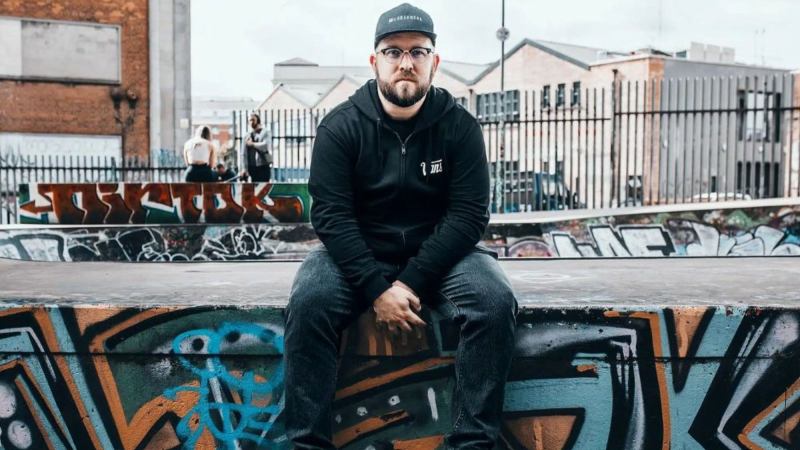
Joel Stone, founder of Codebreak
Opinions expressed by Entrepreneur contributors are their own.
You're reading Entrepreneur United Kingdom, an international franchise of Entrepreneur Media.
The prime minister at the time, Boris Johnson, had just announced the lockdown. We lost 80% of our client base overnight. I understood that there were more pressing matters – media networks were showing people dying in the streets of Italy and hospitals littered with corpses. So it wasn’t like we could say to our clients: “You’re under contract.” They just cancelled their payments while their businesses were laying people off.
To make matters worse, we’d just registered as a new business after merging with another company a few months prior, leaving us ineligible for government support to cover staff wages. It was brutal. Everything that could go wrong, did. I had an obligation to the staff and their families to ensure their needs were met, but I also had a personal responsibility to my wife and myself to keep a roof over our heads. That feeling of being yanked in every direction was utterly soul-crushing. Without resorting to clichés, we had to feel the fear and push through anyway. We had no choice.
Everything made sense once I internalised this one characteristic; I’m willing to lose more than most people. I’m not sure if it stems from my childhood - marked by constant adversity, often dealing with the loss of loved ones – or just the never-ending feeling of having my back against the wall. Either way, that sense of struggle shaped me. The American psychologist Angela Duckworth has studied what makes people succeed in challenging environments. Her research hinged on one question: “Who succeeds here, and why?” And she found that one key characteristic consistently predicted success across these different contexts, and it’s the single thing I attribute my success to. Grit. Not social intelligence, not physical health, not IQ. But having the passion, perseverance and stamina for very long-term goals – day in, day out.
Sometimes, going through something that destroys you shows you who you truly are. It’s not the challenges you face, it’s what you get from the experience that shapes you. If you have the right mindset, these high-stress moments in life can lead to sharper focus and determination. Having no other option but to sell my house forced me to be more resourceful. It also gave me an opportunity to develop my mindset, which is a superpower asset. The most successful people I’ve encountered see problems in their business and life as opportunities, which boils down to one thing. They have a growth mindset.
Loving the game of entrepreneurship is the only thing that kept me sane while selling our only asset and nearly scaring my wife half to death. I can’t say it’s the same for everyone I meet. The Great Resignation, which saw a mass exodus of people leaving the job market, was interesting to me. The number of startups increased by 16% between 2019 and 2023. According to the Census Bureau analysis, of the 3% of workers who left for “the freedom” of entrepreneurship, 99.9% returned to the job market. They tried starting their own businesses but ultimately transitioned back to regular employment as economic conditions became more challenging. It’s because they didn’t enjoy the game enough to continue playing.
When it comes to entrepreneurship, people can focus on all the wrong things: the time freedom, the nice cars, and the wealth trappings it’s perceived to bring. For me, it isn’t about the dream lifestyle – it’s about thriving in uncertainty, loving the grind, and being okay with sacrifices that most wouldn’t dare make. It’s knowing who you are. Looking back now, when everything was falling apart, it was actually an incredible opportunity to level up. We sold our beloved house, downsized, and scraped together enough equity to keep the business alive. Coming out of the COVID-19 chaos, my little marketing agency – now with the wind at its back – has grown into a globally recognised business. It’s not so small anymore.
That setback was a gift. It taught me that life and entrepreneurship are not about talent but about having grit and knowing precisely who you are. Above all, despite being worried about the mental health of my team, the fear of letting my family down, at times losing my sense of purpose, struggling with depression and anxiety and then pushing myself past the point of burnout, I still searched for the opportunity in it all. Losing my house taught me this: grit and a growth mindset aren’t optional for an entrepreneur – they’re the only way forward. You’ll realise your potential if you can stay hungry and get out of your comfort zone by leaning into those nuclear events.
When things go wrong, it’s forced learning. You have to pay attention. You can’t passively pretend to be listening and then forget it all tomorrow. Damage is where strength is built. If you don’t get destroyed a few times in life, you may never realise your potential.
The prime minister at the time, Boris Johnson, had just announced the lockdown. We lost 80% of our client base overnight. I understood that there were more pressing matters – media networks were showing people dying in the streets of Italy and hospitals littered with corpses. So it wasn’t like we could say to our clients: “You’re under contract.” They just cancelled their payments while their businesses were laying people off.
To make matters worse, we’d just registered as a new business after merging with another company a few months prior, leaving us ineligible for government support to cover staff wages. It was brutal. Everything that could go wrong, did. I had an obligation to the staff and their families to ensure their needs were met, but I also had a personal responsibility to my wife and myself to keep a roof over our heads. That feeling of being yanked in every direction was utterly soul-crushing. Without resorting to clichés, we had to feel the fear and push through anyway. We had no choice.
Everything made sense once I internalised this one characteristic; I’m willing to lose more than most people. I’m not sure if it stems from my childhood - marked by constant adversity, often dealing with the loss of loved ones – or just the never-ending feeling of having my back against the wall. Either way, that sense of struggle shaped me. The American psychologist Angela Duckworth has studied what makes people succeed in challenging environments. Her research hinged on one question: “Who succeeds here, and why?” And she found that one key characteristic consistently predicted success across these different contexts, and it’s the single thing I attribute my success to. Grit. Not social intelligence, not physical health, not IQ. But having the passion, perseverance and stamina for very long-term goals – day in, day out.

Joel Stone • Founder of marketing agency Codebreak
Joel Stone is a best-selling author and founder of Shropshire-based marketing agency Codebreak