New Prime Minister scraps VAT on electricity bills to ease cost-of-living pressures
Government scraps electricity VAT to ease household cost-of-living pressures this winter.

Shutterstock
Opinions expressed by Entrepreneur contributors are their own.
You're reading Entrepreneur United Kingdom, an international franchise of Entrepreneur Media.
Prime Minister Andy Burnham has announced one of the first major policy decisions of his premiership, unveiling an immediate tax cut on household electricity bills designed to give millions of families financial relief ahead of the winter months.
The government will remove VAT from domestic electricity bills from 1 October, reducing the rate from 5% to 0% for the remainder of the current financial year. The move is expected to save households around £45 a year based on the next Ofgem price cap and will be funded through the cancellation of the government’s planned £1.8bn Digital ID programme.
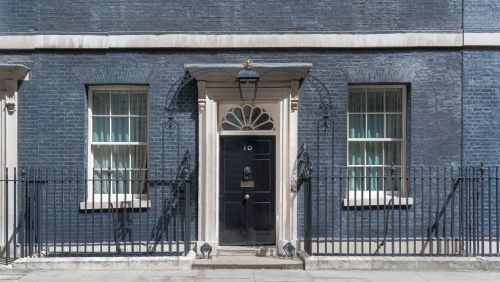
The announcement follows the Prime Minister’s pledge on the steps of Downing Street to ease pressure on household finances and tackle the cost-of-living crisis. The government said the measure would take effect in time for the next Ofgem price cap and is intended to provide immediate support as energy costs remain elevated following Russia’s invasion of Ukraine and the more recent conflict involving Iran.
Announcing the policy, Prime Minister Andy Burnham said: “Westminster has not been working for people for too long, with families struggling with the cost of living. That needs to change. I said I wanted to give people breathing space, and that’s what I’m announcing on my second day as Prime Minister. We’re taking immediate action to cut taxes on energy bills, put more money in people’s pockets and bring back hope.”
The VAT reduction is expected to be applied automatically by energy suppliers, including for customers on fixed tariffs, in the same way suppliers implemented the £150 reduction in energy costs announced at the previous Budget. The government also confirmed that small businesses qualifying for domestic energy VAT relief, charities and eligible residential care homes will benefit from the measure. According to Treasury estimates, removing VAT from electricity bills will reduce Consumer Prices Index (CPI) inflation by around 0.10 percentage points, while Retail Prices Index (RPI) inflation is expected to fall by approximately 0.14 percentage points.
The policy is forecast to cost around £850m during the 2026–27 financial year, with updated costings to be published at the Autumn Budget. Ministers say the measure is fully funded for the current year through savings generated by cancelling the Digital ID programme, which had been expected to cost £1.8 billion over the next three years. The government added that any longer-term decisions on energy support or taxation will be considered alongside an updated forecast from the Office for Budget Responsibility (OBR) at the Budget and will remain consistent with its fiscal rules.
Chancellor of the Exchequer John Healey said the policy would provide welcome support for households facing continued financial pressure. “For too long, too many people have struggled with the cost of living. Today’s energy tax cut will give families some breathing room on bills, and provide some reassurance this winter.This measure is funded this year from cancelling the Digital ID programme, and it will help bring down inflation while supporting households in every postcode.”
The government said targeting electricity bills would provide broad support to households while helping to moderate inflation, with lower-income families expected to benefit proportionately more because they spend a greater share of their income on energy.
It also confirmed that the Northern Ireland Executive will receive comparable funding to ensure households across Northern Ireland can benefit from equivalent cost-of-living support.
Energy prices remain significantly above historic levels following sustained geopolitical instability, supply chain pressures and increased wholesale energy costs. Ministers argue that immediate intervention is necessary to provide certainty ahead of winter while longer-term decisions are developed.
The announcement marks the first significant economic intervention of Burnham’s administration and signals a focus on household finances during the opening days of his premiership.
Whether the temporary VAT reduction is followed by broader reforms to energy taxation or additional cost-of-living measures will become clearer when the Chancellor delivers the government’s first Budget later this year. For now, ministers hope the move will provide immediate financial relief while reinforcing the government’s commitment to supporting households during a period of continued economic uncertainty.
Prime Minister Andy Burnham has announced one of the first major policy decisions of his premiership, unveiling an immediate tax cut on household electricity bills designed to give millions of families financial relief ahead of the winter months.
The government will remove VAT from domestic electricity bills from 1 October, reducing the rate from 5% to 0% for the remainder of the current financial year. The move is expected to save households around £45 a year based on the next Ofgem price cap and will be funded through the cancellation of the government’s planned £1.8bn Digital ID programme.
The announcement follows the Prime Minister’s pledge on the steps of Downing Street to ease pressure on household finances and tackle the cost-of-living crisis. The government said the measure would take effect in time for the next Ofgem price cap and is intended to provide immediate support as energy costs remain elevated following Russia’s invasion of Ukraine and the more recent conflict involving Iran.

Patricia Cullen • Features Writer
Entrepreneur Staff