The Permission Problem
Ros Marshall discusses impostor syndrome, funding gaps, and growth challenges.

Shutterstock
Opinions expressed by Entrepreneur contributors are their own.
You're reading Entrepreneur United Kingdom, an international franchise of Entrepreneur Media.
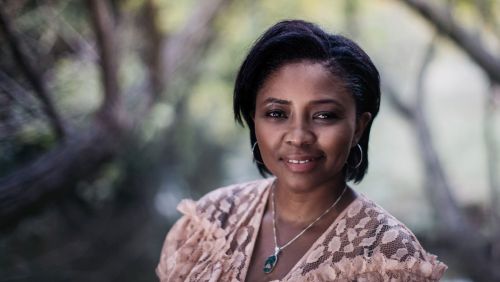
Ros Marshall, Managing Director of Molke, an ethical, supportive, non-wired underwear brand, shares candid insights on the realities of being a woman in business – from navigating impostor syndrome to challenging funding inequalities and balancing entrepreneurship with family life.
Comments from Ros Marshall, Managing Director of Molke. Molke is a Scottish manufacturer and retailer of ethical, supportive and comfortable non-wired underwear and swimwear.
Q1: What’s the biggest barrier you’ve faced as a woman in business, and how did you navigate it?
For me personally I think Impostor Syndrome has been the hardest. Almost every woman in business I speak to experiences it. I think you can have all the knowledge, all the plans, all the evidence that you’re doing the right thing – and still doubt yourself. For me, doing the Help to Grow: Management Course was genuinely validating. It confirmed that I did know what I was doing. Sometimes you just need that external structure to reflect back what you already know. And honestly, surrounding yourself with other women who understand helps enormously.
Q2: Have you ever felt pressure to lead differently because of your gender? In what ways?
I think women often have a different approach to business. In the past we certainly have been told that as a brand we should focus on the hard sell and cheap labour, which absolutely goes against everything we believe in and stand for as people and as a business. Our guiding ethos has always been built on sustainability and ethical manufacturing and creating a positive work environment and these principles have led us growing as business over the past 10 years.
We’ve also encountered different responses that we have had to navigate. I’ve had people call asking to speak to ‘Ross’, commonly mistaking my name and assuming the managing director must be a man. We had a male non-exec director on the board at one time, and when he emailed certain suppliers we’d been chasing for weeks, they came straight back to him, which was mind-blowing. One of my friends has a T-shirt that says ‘just act like a middle-aged white man’. Sometimes you need that reminder to back yourself and stop second-guessing everything.
Q3: How do you balance business growth with expectations around caregiving or family life?
I have three children, and when I first got involved with Molke my youngest was just heading off to school – it was the first time I could really give that time to myself. For a long time my career had been put on hold. I think for a lot of women the timing of when you can fully commit to building something is shaped by family in a way it simply isn’t for most men. You don’t start later because you’re less ambitious, you start when life allows.
Q4: Do you think funding and investment opportunities are truly equal for women in the UK today? Why or why not?
No, not yet. What I’ve seen is that women-led businesses tend to ask for less funding, even when they have a more detailed, methodical plan for exactly how the money will be used. In contrast, men will typically go for the maximum, which is fascinating. Women will have everything mapped out and still only ask for what they think they strictly need. Until those making funding decisions recognise and actively correct for that pattern, the playing field isn’t level.
Q5: What change would make the most immediate difference for the next generation of female entrepreneurs?
Permission to take up space – and access to proper support early. Programmes like the Help to Grow: Management Course really do add value; the key is to raise awareness with as many women leaders as possible and encourage them to take the leap. The networking, the mentoring, the validation that your instincts are right – that’s genuinely powerful. But too many women are still waiting to feel ‘ready enough’ before they put their hand up. My advice is to not wait – ask for help, ask for funding, ask for the top number. Stop asking for less than you’re worth.
Ros Marshall, Managing Director of Molke, an ethical, supportive, non-wired underwear brand, shares candid insights on the realities of being a woman in business – from navigating impostor syndrome to challenging funding inequalities and balancing entrepreneurship with family life.
Comments from Ros Marshall, Managing Director of Molke. Molke is a Scottish manufacturer and retailer of ethical, supportive and comfortable non-wired underwear and swimwear.
Q1: What’s the biggest barrier you’ve faced as a woman in business, and how did you navigate it?
For me personally I think Impostor Syndrome has been the hardest. Almost every woman in business I speak to experiences it. I think you can have all the knowledge, all the plans, all the evidence that you’re doing the right thing – and still doubt yourself. For me, doing the Help to Grow: Management Course was genuinely validating. It confirmed that I did know what I was doing. Sometimes you just need that external structure to reflect back what you already know. And honestly, surrounding yourself with other women who understand helps enormously.

Patricia Cullen • Features Writer
Entrepreneur Staff